
Unbiased headlines. Facts, not spin.
Unbiased Headlines is an independently owned news organization. We bring you the facts, not opinions, written fresh from 110+ named sources. Sources linked so you can verify it yourself.
 finance
Major Story (7/10)
finance
Major Story (7/10)
Intel to Sell $15 Billion in Stock as Shares Fell 3-4% Premarket Monday
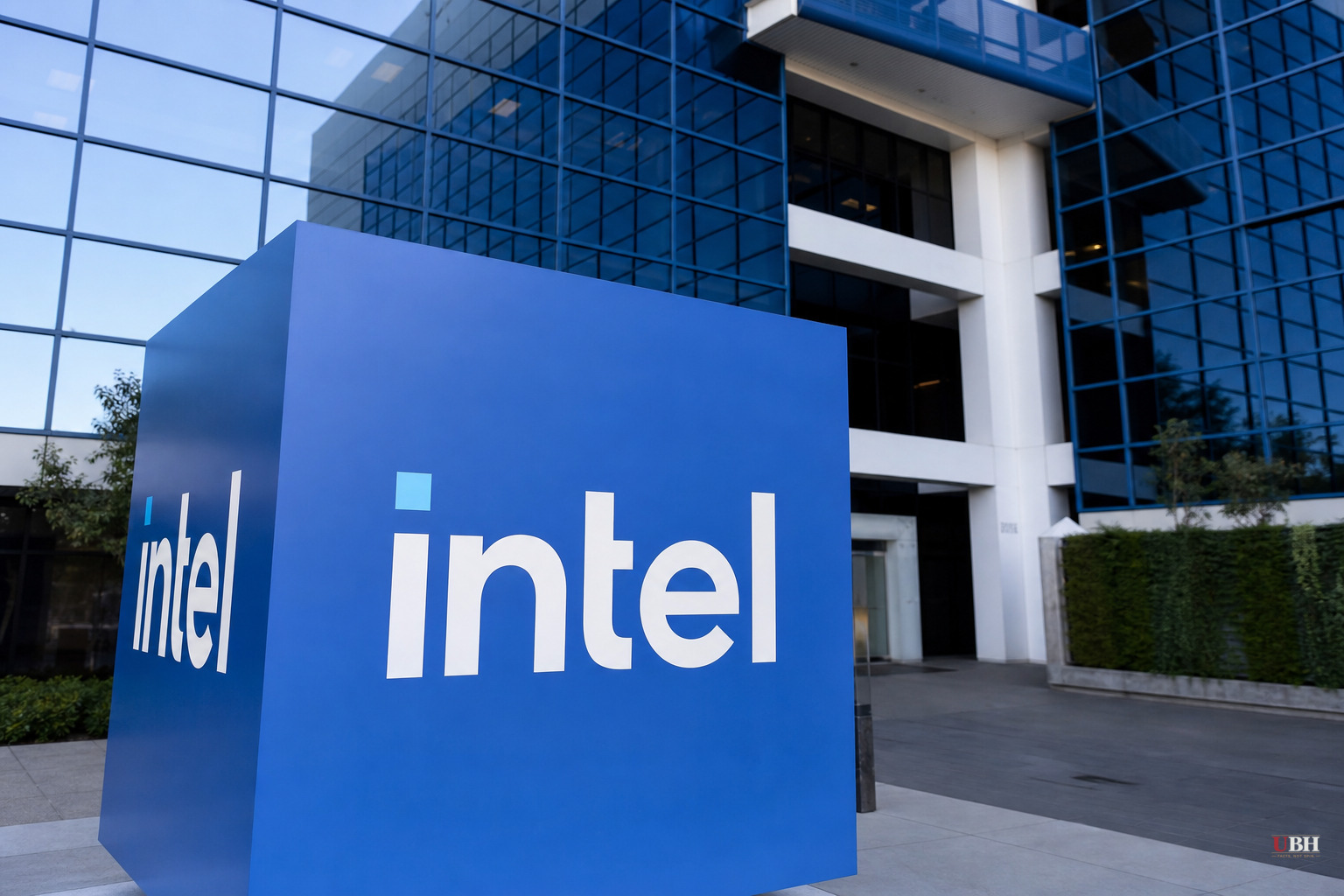
Intel announced Monday it plans to sell $15 billion worth of common stock, betting that a strong run in its share price gives it room to raise cash without loading up on more debt.
The chipmaker's stock had climbed more than 400% over the past 12 months and more than 175% year-to-date through Friday's close, according to Morningstar and CNBC. Shares fell 3% to 4% in premarket trading Monday, per CNBC and Morningstar, as investors weighed the dilution from a massive new share issuance against the company's growth story.
Intel says it needs the money to keep pace with what it calls "unprecedented investment in AI compute," according to the company's own press release from newsroom.intel.com. The Santa Clara company pointed to four growth areas: physical AI, purpose-built silicon, advanced packaging and external wafers, meaning foundry work for other companies' chips.
The stated use of proceeds is broad. Intel says the money goes toward "general corporate purposes, which may include, but are not limited to, capital expenditures and working capital," per the company's release. That's corporate language for funding the factory buildout, though Intel did not name specific fabs, packaging lines or customers that will get priority for the cash.
J.P. Morgan, Goldman Sachs, Morgan Stanley and Citigroup are running the deal as joint book-runners. Underwriters get a 30-day option to buy up to $2.25 billion in additional shares, which could push the total raise to $17.25 billion if fully exercised.
ZeroHedge noted this is an underwritten public offering, not an ATM program where shares trickle out over time. Monday's announcement is a proposed deal. No shares have been priced or sold yet. Pricing and closing come later, subject to market conditions.
Why Equity Instead of Debt
Intel is choosing to dilute existing shareholders rather than pile on more borrowing. The company says the move is meant to protect its investment-grade credit rating, according to its own release.
ZeroHedge frames this as part of a bigger shift across the AI industry. With capital expenditures on AI infrastructure racing toward $1 trillion this year, according to Goldman Sachs estimates cited by both CNBC and ZeroHedge, hyperscale tech companies are increasingly tapping equity markets instead of relying purely on cash flow and debt. ZeroHedge notes Alphabet has been the most aggressive at this so far, while Microsoft, Amazon and Meta have leaned more on cash flow, debt, leases and structured financing.
Goldman Sachs projects hyperscaler capital spending will hit $765 billion this year and jump to $1.2 trillion by 2027, per estimates cited by CNBC. Amazon gave the highest capex guidance of the group this earnings season, citing a memory chip shortage, according to CNBC.
The Business Case
Intel isn't raising cash out of desperation. The company posted its fastest revenue growth in nearly 15 years last month, driven by surging demand for data-center CPUs, according to Morningstar. Rising demand for agentic AI applications has put Intel's chips in higher demand, and the company has been able to raise prices as supply lags demand, Morningstar reported.
On last month's earnings call, Intel raised its 2026 capital spending guidance to more than $20 billion. Finance chief David Zinsner told CNBC the company is bracing for a "meaningful increase" in spending in 2027, with most of the money going toward factory tooling.
Intel's stock has also gotten a boost from the U.S. government's 10% equity stake in the company, taken to support domestic chip manufacturing, according to CNBC. That stake, combined with the AI infrastructure boom, has helped drive the stock's run-up over the past year.
What's Still Unknown
The company's own risk disclosures flag uncertainty about how durable AI demand really is. Intel's forward-looking statements cite risk from "the evolving market for products with AI capabilities," language highlighted by aiweekly.co as the company hedging its own bet.
The offering still needs to be priced. Intel has filed a registration statement on Form S-3 with the Securities and Exchange Commission, and the actual sale will happen through a prospectus supplement once market conditions allow, per Intel's own release. Investors will be watching where that price lands, and whether the company names specific customers or fab investments once the cash comes in. If demand for AI chips keeps accelerating, this raise looks smart. If it cools before Intel's factory buildout is finished, shareholders who bought into the dilution will be the ones holding the bag.
Sources used for this briefing
5 links from 5 independent newsrooms (syndicated copies of the same report count once)
These are the sources it draws on, linked so you can verify.


