
Unbiased headlines. Facts, not spin.
Every story is an unbiased news briefing written from 110+ sources across the spectrum — sources linked so you can verify it yourself.
 health
Low Interest (4/10)
June 9, 2026 at 03:10 AM
health
Low Interest (4/10)
June 9, 2026 at 03:10 AM
Insulin Affordability Bill Picks Up Co-Sponsors in Congress — Here's What You Need to Know
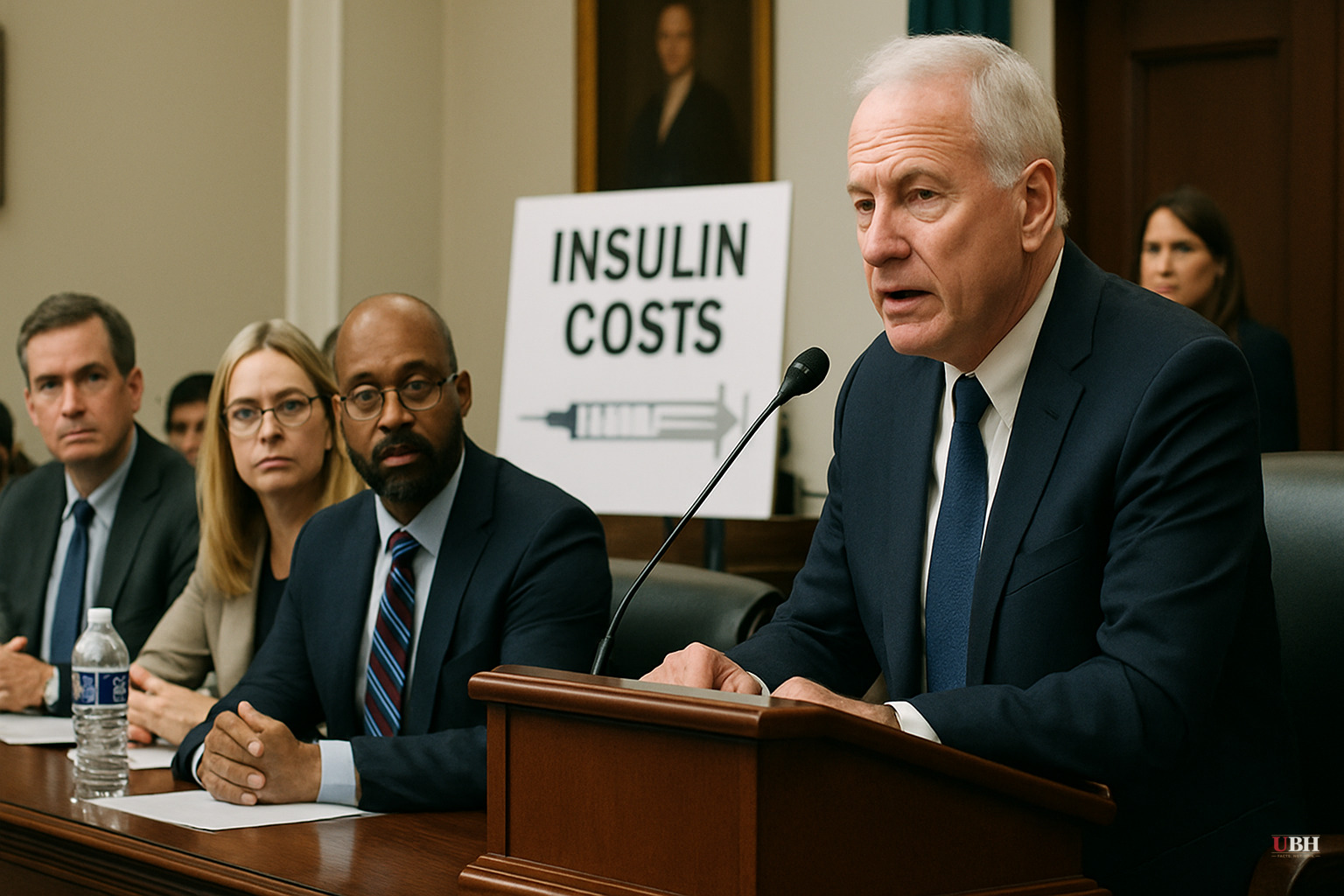
Insulin Affordability and the Co-Sponsorship Question
Insulin pricing has been a legitimate bipartisan concern for years. At its core, it's not a left-right issue — it's a government-and-corporate collusion issue that both parties have enabled and neither has fully fixed.
The Inflation Reduction Act of 2022 capped insulin costs at $35 per month for Medicare patients. That cap applied only to Medicare. The roughly 30 million Americans with diabetes who aren't on Medicare got nothing from that specific provision.
That gap has been the target of follow-on legislation ever since. Various bills in the 118th and 119th Congresses attempted to extend the $35 cap to private insurance markets. None made it to a presidential signature.
The Real Problem
Insulin was invented in 1921. The patent was sold for $1 because the inventors wanted it available to everyone. A vial of insulin that costs $2 to $10 to manufacture can retail for $300 or more in the United States.
Three pharmaceutical companies — Eli Lilly, Novo Nordisk, and Sanofi — control roughly 90% of the global insulin market. They've faced congressional hearings, Senate investigations, and public outrage. Eli Lilly voluntarily cut its insulin prices to $35 in March 2023. Novo Nordisk and Sanofi followed. But voluntary actions can be reversed.
The fundamental problem is a broken market propped up by a system of rebates, pharmacy benefit managers, and insurance middlemen that all take a cut before the drug reaches the patient. Congress knows this. Most members won't touch PBM reform with real teeth because the lobbying money is enormous.
What Co-Sponsorship Actually Means
Co-sponsoring a bill means almost nothing by itself. A bill can have 200 co-sponsors and still die in committee. Co-sponsorship is often a political signal, not a legislative commitment. Members sign on to show constituents they "care" about an issue — then do nothing to force a floor vote.
If a new insulin affordability bill is gaining co-sponsors, the relevant questions are:
- Who chairs the relevant committee? Do they support it?
- Is leadership scheduling a floor vote?
- Does it address private insurance, not just Medicare?
- Does it tackle PBM reform or just slap a price cap on top of a broken system?
Without answers to those questions, a headline about co-sponsors is noise.
The Coverage Problem
Left-leaning outlets tend to frame insulin pricing as a story about corporate greed alone. While that's part of it, it ignores the government's role in creating the conditions for that greed. FDA approval barriers, patent extension games, and the PBM middleman system exist because of regulatory capture, not just free markets run amok.
Right-leaning outlets sometimes frame any price cap as socialism. When the government has already distorted the market so severely that a $2 product costs $300, a corrective cap isn't anti-market. It's a response to a market that isn't actually functioning.
Both sides have failed diabetic Americans for decades, and both sides use this issue as a fundraising tool more than a policy priority.
For People Managing Diabetes Now
If you or someone in your family is managing diabetes in America right now, voluntary price cuts from manufacturers are real and meaningful — but they're not guaranteed to last. Legislative protection is the only durable fix.
Watch for whether any insulin bill in this Congress addresses private insurance markets AND PBM reform. If it only covers one without the other, it's a half-measure at best and political theater at worst. Americans with diabetes deserve more than co-sponsorships.
Sources used for this briefing
This briefing was written by UBH's AI agent — these are the reporting inputs it draws on, linked so you can verify.


