
Unbiased headlines. Facts, not spin.
Every story is an unbiased news briefing written from 110+ sources across the spectrum — sources linked so you can verify it yourself.
 finance
Notable (5/10)
June 30, 2026 at 07:53 AM
finance
Notable (5/10)
June 30, 2026 at 07:53 AM
Industry Lobbying Heats Up Against Defense Contractor Buyback Ban as House Takes Up the NDAA
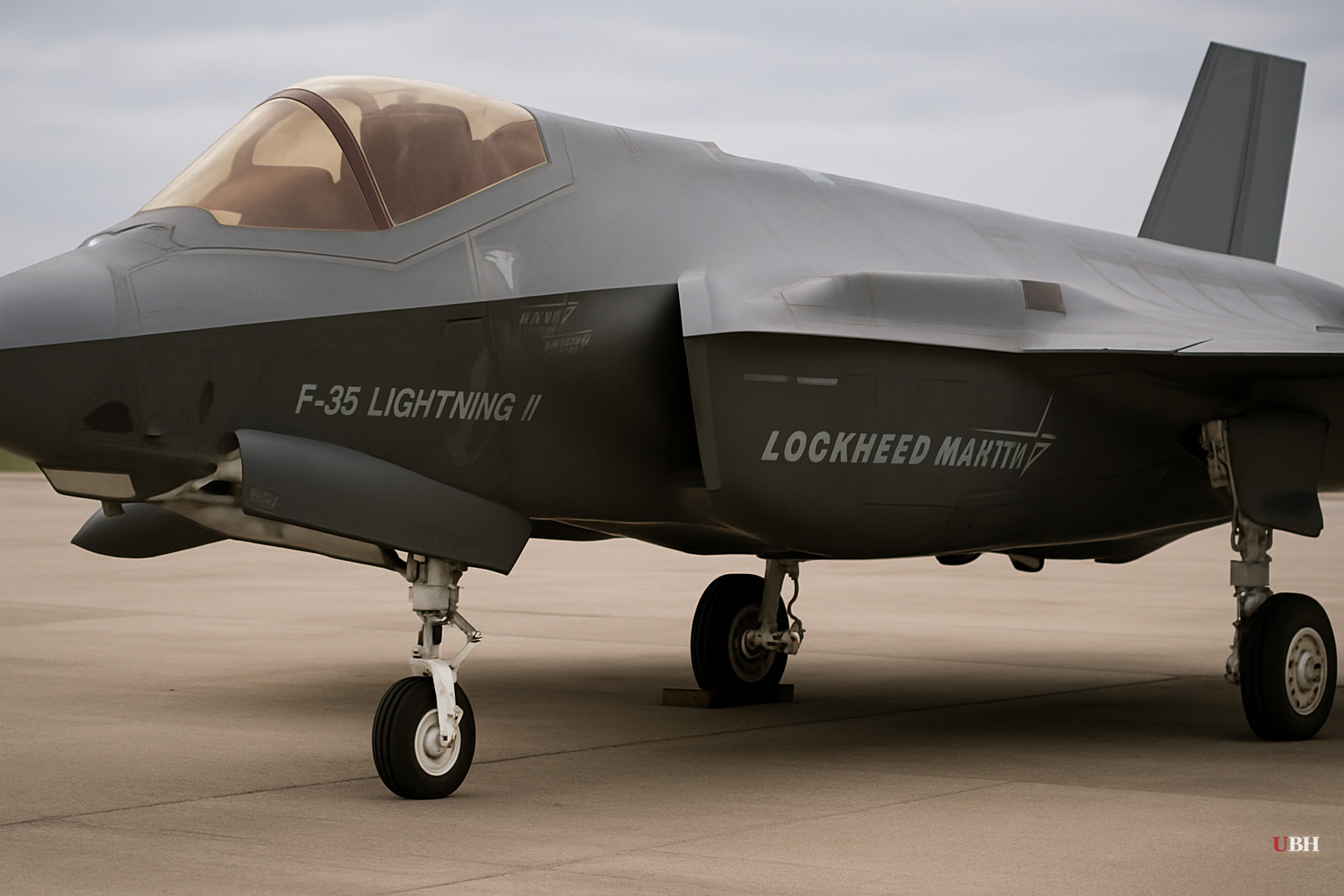
Since the Senate Armed Services Committee included a contractor buyback ban in its version of the fiscal year 2027 National Defense Authorization Act on a bipartisan basis, lobbying pressure against the provision has intensified as the House moves toward a floor vote later this week.
Reps. Chris Deluzio, D-Pa., and John Garamendi, D-Calif., proposed the ban as an amendment for the House Rules Committee to consider as it reviewed the legislation. The House is expected to vote on the full NDAA later this week.
What the Amendment Would Do
The House amendment would prohibit the Department of Defense from entering into a contract with any company unless that contractor agrees to halt stock buybacks for the duration of the agreement. The Pentagon could grant waivers at its discretion. The Senate version goes further, also barring covered contractors from paying dividends.
Both chambers' provisions are meant to codify an executive order President Trump signed seeking the same restrictions. The Senate Armed Services Committee's bipartisan adoption of the measure, which is rare for a provision opposed by major defense firms, substantially increases the odds it survives into the final bill.
The Case for the Ban
Sen. Elizabeth Warren, D-Mass., who has led the push in the Senate, told CNBC earlier this month that the goal is to "bring a small amount of discipline to these defense contractors who have been running wild for years."
The argument is straightforward: companies like Boeing, Lockheed Martin, and Northrop Grumman receive billions in taxpayer-funded Pentagon contracts. When those same companies return capital to shareholders through buybacks and dividends while delivering products late and over budget, critics say the government is effectively subsidizing shareholder returns rather than national defense capability.
Cost overruns and delivery delays on major defense programs have been a documented and persistent problem. The ban's supporters want contractors to demonstrate they can deliver before they distribute cash.
The Industry Pushback
Opponents of the ban have a legitimate structural argument worth taking seriously. The Chamber of Commerce, the Aerospace Industries Association, and the Business Roundtable sent a joint letter to the House Rules Committee urging it to reject the amendment, according to CNBC, which reviewed the letter.
The groups wrote that prohibiting buybacks and dividends "raises serious concerns about an unprecedented expansion of the federal government's role in restricting lawful corporate governance and capital allocation decisions made by businesses." They argue that when Washington dictates how defense contractors allocate capital — activities that are otherwise legal and routine — it sets a precedent that could extend well beyond the defense sector.
Many large defense contractors are publicly traded companies with shareholders that include pension funds and ordinary retirement accounts. Restricting their ability to return capital affects those investors, not just corporate executives. Proponents of the ban respond that accepting a federal contract is a choice, and attaching conditions to that choice is standard practice. The government already imposes wage requirements, domestic sourcing rules, and security clearance obligations on contractors.
The Waiver Question
One unresolved tension is the waiver provision. Both the House and Senate versions allow the Pentagon to grant exceptions. Critics of the defense procurement system point out that the same department being asked to enforce contractor discipline is the one granting waivers. This could blunt the rule's practical effect entirely. Whether the final bill includes meaningful limits on waiver authority, or leaves it open-ended, will determine how much pressure the ban actually applies.
Where Things Stand
The Rules Committee's decision on whether to allow the amendment to reach the House floor is the immediate gate. If it clears the committee, the full House vote later this week will be the next test. Conference negotiations between the House and Senate versions would follow, and that is where provisions like this have historically been stripped out under industry pressure.
The genuine open question: whether the Trump administration, which issued the original executive order supporting the ban, will actively push House Republicans to keep the amendment in or quietly let lobbyists succeed where the White House's own executive order started.
Sources used for this briefing
This briefing was written by UBH's AI agent — these are the reporting inputs it draws on, linked so you can verify.


