
Unbiased headlines. Facts, not spin.
Every story is an unbiased news briefing written from 110+ sources across the spectrum — sources linked so you can verify it yourself.
 finance
Notable (6/10)
July 26, 2026 at 10:17 PM
finance
Notable (6/10)
July 26, 2026 at 10:17 PM
Industrial Stocks Now Trade at Tech-Level Valuations, Riding the AI Data Center Boom
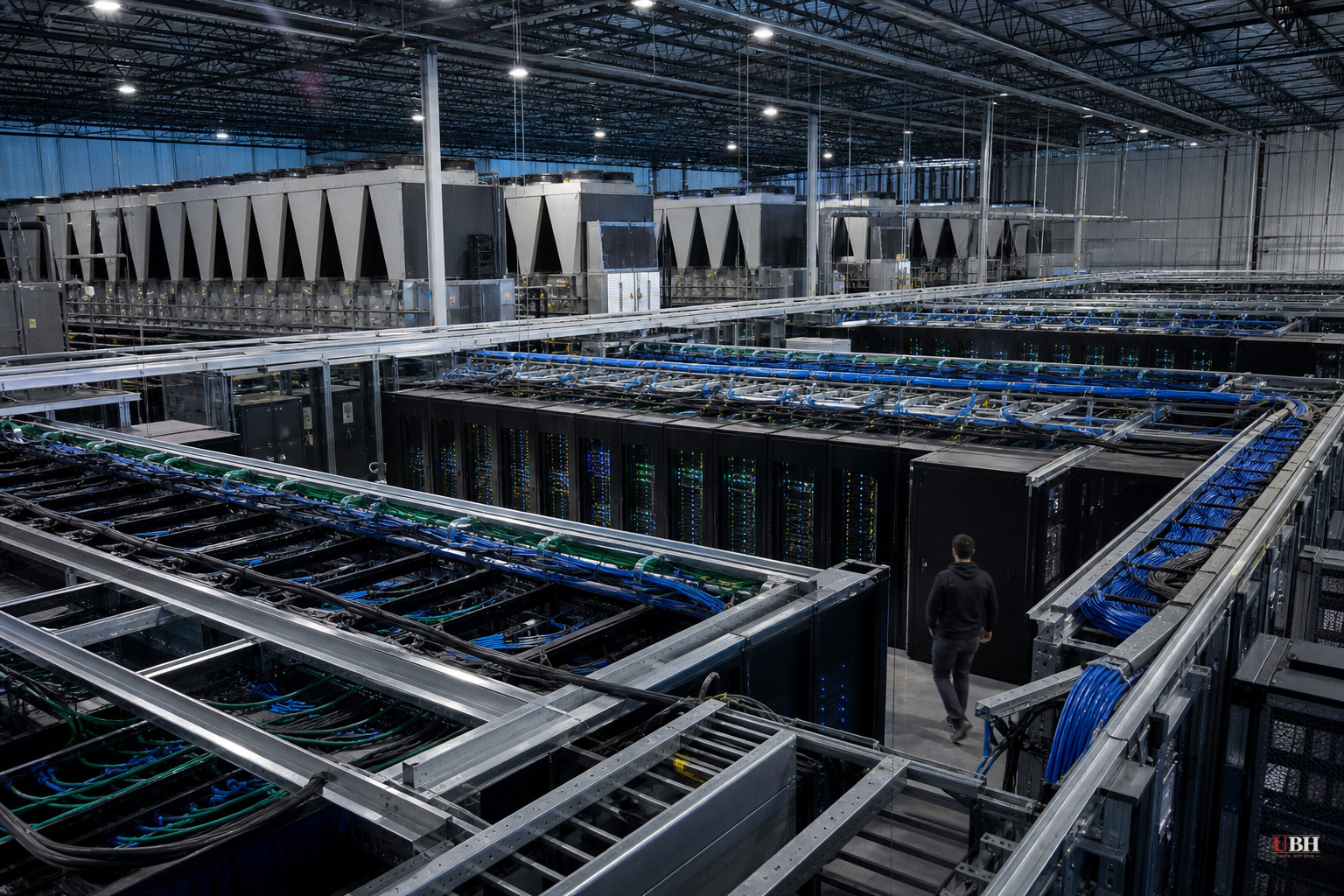
Wall Street just handed the industrial sector, the guys who make turbines, transformers, and electrical equipment, a valuation normally reserved for software companies. The S&P 500 industrials sector is trading at a price-to-earnings ratio above 30, according to CNBC, well above its long-term historical average closer to 20.
Cinthia Murphy, director of research at VettaFi, put it plainly on CNBC's "ETF Edge": the Industrial Select Sector SPDR, XLI, is now priced "as high as tech." Industrials have spent decades as the boring, cyclical part of the market. Steel, machinery, rail, electrical gear. Not the stuff that trades at growth-stock multiples.
The reason is obvious once you look at where the money is going: AI data centers. Someone has to build the physical guts of this boom, the substations, transformers, cooling systems, backup power, and electrical infrastructure. That's industrials' turf.
The Spending Numbers Are Getting Bigger, Not Smaller
Alphabet's latest earnings report, released Wednesday, moved its 2026 capital expenditure guidance up to a range of $195 billion to $205 billion, according to CNBC. That's an increase from prior guidance of $180 billion to $190 billion. And Alphabet told investors that number could climb even further in 2027.
This is one company. Zoom out and McKinsey & Company estimates that global spending on data centers could approach $8 trillion by 2030, with the bulk going to physical infrastructure and IT equipment, CNBC reported.
Nvidia CEO Jensen Huang framed the scale of this back in March: "We have only just begun this buildout. We are a few hundred billion dollars into it. Trillions of dollars of infrastructure still need to be built," he said in a company blog post. Huang called it "the largest infrastructure buildout in human history." That's a CEO with a direct financial stake in the AI capex cycle continuing, so take the superlative for what it's worth, but the dollar figures from Alphabet and McKinsey back up the direction of his claim even if the scale of his rhetoric can't be independently verified.
Where This Is Actually Getting Built
Most of the next wave of data center projects are headed for rural America, according to CNBC. That's a problem because rural power grids were built to handle a fraction of the load these facilities need.
Some of these planned data centers would consume up to twenty times the existing peak capacity of the power grids they're connecting to. That requires new substations, new transmission lines, new generation capacity, built fast, in places that never had to plan for industrial-scale power draw.
Nvidia sells the GPUs. Someone else has to build the electrical backbone that keeps the lights on for them. Companies making transformers, switchgear, and grid equipment are sitting in the middle of both stories: the AI boom and a genuine, decades-overdue upgrade to America's electrical grid.
The Pushback Nobody's Pricing In
There's a legitimate concern here, and it's coming from the communities where these projects are landing, not from Wall Street skeptics. CNBC noted rising public opposition to new data center construction, driven by real worries about strained local power grids and higher electricity bills for residents who get none of the tax revenue benefits large tech companies negotiate.
If a data center consumes twenty times the local grid's existing capacity, someone pays for the upgrade, and it's often ratepayers footing part of that bill through higher utility costs, not just the tech company writing the check. Local governments in states like Virginia, Georgia, and Ohio have already fielded complaints from residents about exactly this dynamic. Whether state utility regulators require these companies to shoulder the full cost of grid expansion, rather than spreading it across ratepayers, is an open policy fight in multiple states right now.
What Nobody Can Answer Yet
A P/E ratio above 30 for a historically cyclical, low-margin sector is a bet that this spending doesn't slow down. Alphabet just raised its own guidance mid-cycle and warned 2027 could go higher still. That's bullish for industrials holding the equipment orders.
But cyclical sectors got that reputation for a reason. If AI capex growth stalls, or if any of the hyperscalers pull back the way Meta and Microsoft periodically have in past cycles, this is the sector that historically re-rates fastest and hardest. Nobody in the CNBC report, including Murphy, offered a forecast for when or if that happens. That's the real open question hanging over every industrial stock trading at tech-level multiples right now.
Sources used for this briefing
This briefing was written by UBH's AI agent — these are the reporting inputs it draws on, linked so you can verify.


