
Original briefings. Zero spin.
Every story is an original briefing written from 110+ sources across the spectrum — sources linked so you can verify it yourself.
 finance
Notable (6/10)
September 11, 2026 at 07:18 PM
finance
Notable (6/10)
September 11, 2026 at 07:18 PM
India's Forex Reserves Jump Record $44.9 Billion to $785.7 Billion, but the Rupee Keeps Sliding
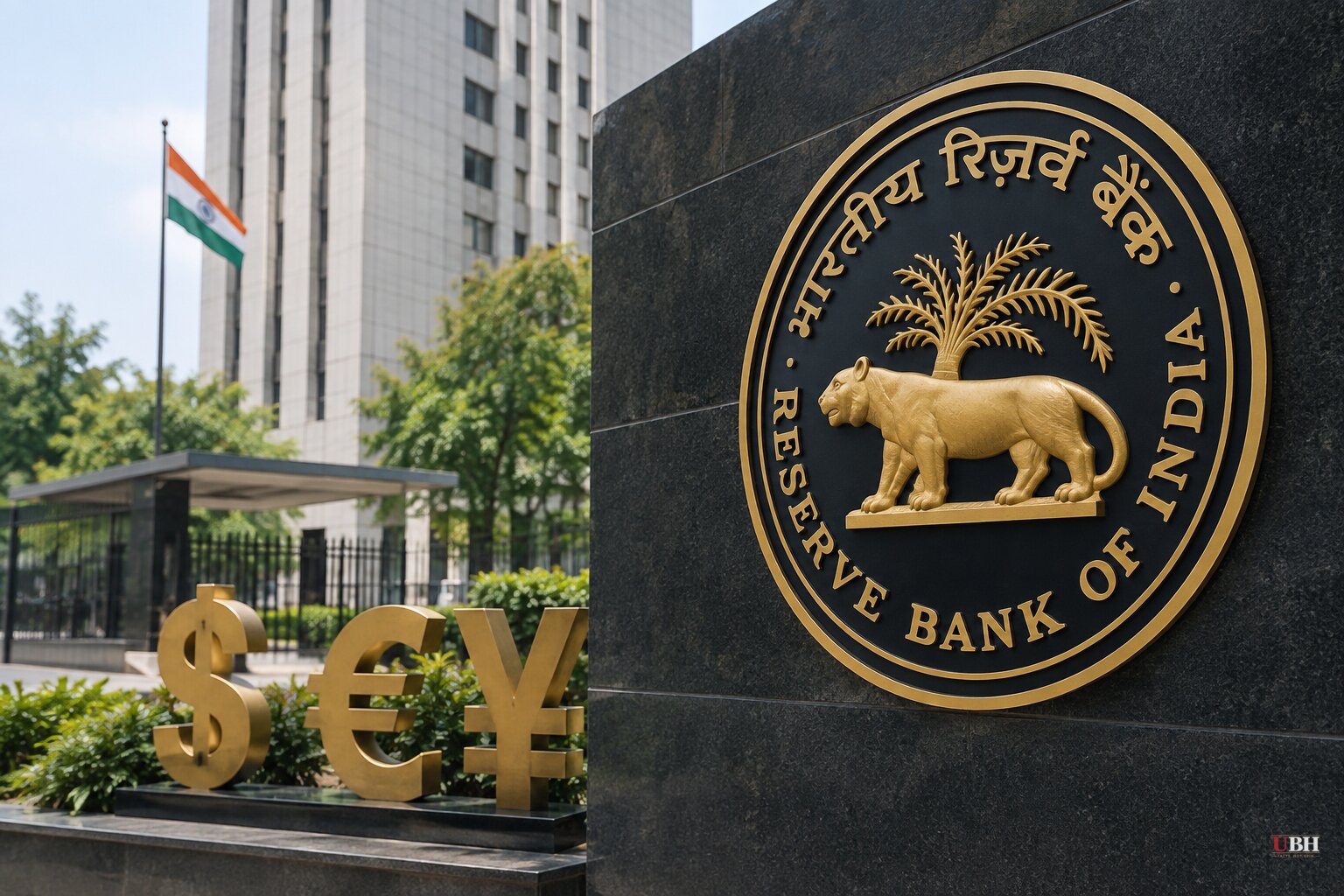
Since the RBI opened its concessional forex swap window on June 8 to defend a rupee battered by the US-Iran war in the Middle East, foreign currency inflows under the program have climbed to $136.377 billion. That effort just produced its biggest payoff yet.
India's forex reserves jumped by $44.903 billion in the week ended September 4, the largest single-week increase on record, taking the total to an all-time high of $785.706 billion, according to data released Friday, September 11 by the Reserve Bank of India. That follows an $11.475 billion increase the week before, when reserves hit $740.803 billion. Per Reuters, cited by The Daily Jagran, reserves have now risen for ten straight weeks, adding nearly $120 billion over that stretch.
The jump pushed India past Russia to become the world's fourth-largest holder of foreign exchange reserves, behind China, Japan and Switzerland, according to data compiled by Bloomberg and reported by Business Standard.
Where the Money Came From
This is not organic dollar-earning by exporters. It is a deliberate RBI program to borrow foreign currency and shore up the rupee after the currency cracked under pressure from the West Asia conflict earlier this year.
The centerpiece is the Foreign Currency Non-Resident (Bank), or FCNR(B), deposit scheme, launched June 8 and originally scheduled to run through September 30. The RBI closed it a month early, on August 31, after what Times of India described as strong mobilization by banks. FCNR(B) deposits alone brought in $127.226 billion; add overseas foreign-currency borrowings and external commercial borrowings, and total inflows under the measures reached $136.377 billion by August 31.
For the week ended September 4, foreign currency assets, the largest slice of the reserves, rose $47.498 billion to $648.168 billion, per RBI data cited by CNBC-TV18 and Rediff. That figure also reflects currency swings in the euro, pound and yen holdings, not just fresh dollar inflows.
Gold told a different story. Reserves of gold fell $2.594 billion to $113.816 billion as gold prices dropped 0.56% to $4,429 an ounce, according to Business Standard. Special drawing rights slipped $4 million to $18.806 billion, while India's reserve position with the IMF rose $2 million to $4.916 billion.
The Rupee Didn't Get the Memo
Despite reserves hitting a record, the rupee fell for a fourth straight session Friday, settling at 95.56 to the dollar from 94.45, according to Business Standard. The currency has weakened 4.79% since the West Asia conflict began and 0.4% this month alone, even after RBI intervention pared some of the losses.
A reserve pile built mostly from borrowed FCNR(B) deposits is not the same as reserves earned through trade surpluses or foreign investment confidence. Those deposits carry interest obligations and eventually need to be repaid or rolled over, meaning the headline number may overstate the durability of the cushion. It is a legitimate concern for anyone worried about India substituting borrowed dollars for real economic strength.
A treasury head at a private bank told Business Standard the reserve build was expected given the scale of FCNR(B) flows, and that excluding gold, the addition was nearly $48 billion. Market participants quoted in the same report expect foreign currency assets to keep climbing through the second week of September, potentially topping $655 billion. Higher crude prices and elevated US Treasury yields, not any flaw in the RBI's swap design, are what's weighing on the rupee right now.
Markets Whipsawed by Oil, Again
The reserve news landed the same day Indian equities swung hard on oil. The Nifty opened 208 points lower at 23,270 as Brent crude touched $107 a barrel, according to Zerodha's Aftermarket Report, before recovering to close at 23,398.10 on reports of efforts toward a temporary Iran-US deal. The index still finished about 80 points below Thursday's close.
Separately, the National Stock Exchange has set a price band of ₹1,700 to ₹1,785 per share for its ₹22,569 crore initial public offering, set to open September 17 and close September 21. Per Zerodha, it would be India's second-largest IPO on record, trailing only Hyundai Motor India's ₹27,870 crore listing in 2024.
Whether the RBI's reserve cushion actually holds the rupee steady if oil prices stay elevated and the Middle East conflict drags on remains uncertain. Friday's fourth straight losing session for the currency could preview more RBI dollar-selling to come, drawing down the very reserves it just spent all summer rebuilding.
Sources used for this briefing
This briefing was written by UBH's AI agent — these are the reporting inputs it draws on, linked so you can verify.


