
Unbiased headlines. Facts, not spin.
Every story is an unbiased news briefing written from 110+ sources across the spectrum — sources linked so you can verify it yourself.
 finance
Notable (5/10)
August 10, 2026 at 02:42 AM
finance
Notable (5/10)
August 10, 2026 at 02:42 AM
India's Central Bank Holds Rates at 5.25% While Global Peers Hike to Fight Oil-Driven Inflation
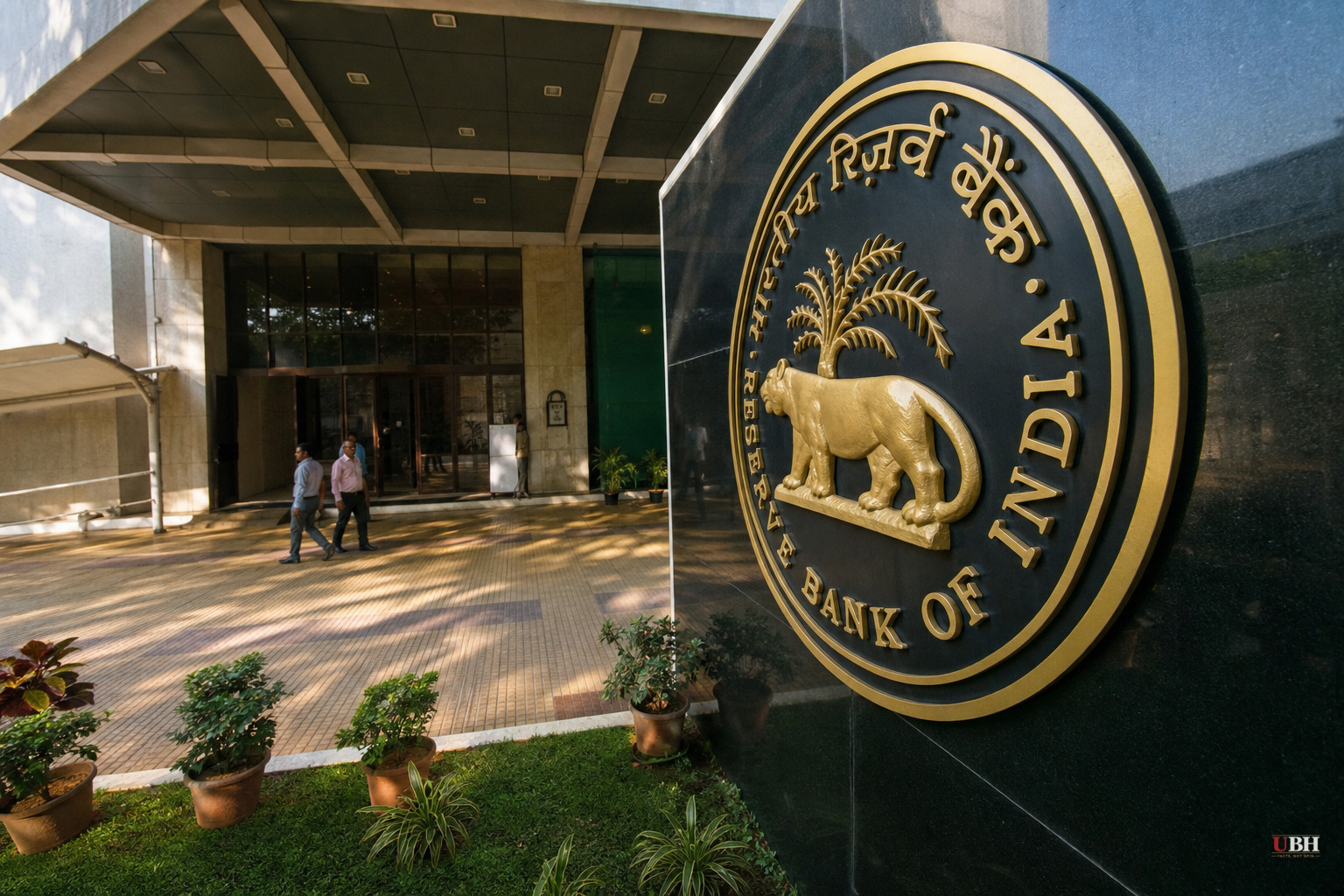
The Reserve Bank of India voted unanimously to hold its benchmark repo rate at 5.25% this past Wednesday, August 5, defying a global trend of central banks raising rates to fight inflation tied to higher oil prices, according to Reuters.
RBI Governor Sanjay Malhotra said headline inflation moved above target mainly because of fuel costs, but broader price pressures remain in check. His message: no rush to hike until there's clearer evidence that oil-driven inflation is bleeding into the rest of the economy.
The call wasn't a surprise. A Reuters poll of 72 economists found 68 predicted the RBI would stand pat. The central bank's six-member Monetary Policy Committee, which includes three external members, kept its policy stance at neutral.
Why India Is the Outlier
Central banks in Europe, Australia, Indonesia, the Philippines, Singapore, South Korea and South Africa have all raised borrowing costs in recent months amid a global oil-price spike tied to heightened tensions in the Middle East, according to Reuters. The Federal Reserve and the Bank of Japan are the other major holdouts.
That puts India in a small club of central banks betting they can wait out the inflation spike rather than choke it off with higher rates. Wholesale inflation in India climbed to 9.87% in June. Retail inflation hit 4.38% that same month, above the RBI's 4% medium-term target for the first time in 17 months, though still inside the bank's 2%-6% tolerance band.
Samiran Chakraborty, Citi's chief India economist, told Reuters a rate hike is unlikely in 2026 unless core inflation sustains above 4.5%. Core inflation, which strips out food and fuel, has stayed contained near 4%. The RBI actually cut its own core inflation forecast for the fiscal year to 4.3% from 4.7%.
If the underlying inflation numbers minus energy costs aren't moving, hiking rates to fight an oil price spike risks slowing down credit growth and investment for no real benefit.
The Case for Worry
Tanay Dalal, an economist at Axis Bank, told Reuters the pressure showing up in wholesale prices typically passes through to consumer prices over a three-to-four-month horizon. If that holds, June's wholesale spike could show up in October or November retail numbers.
A central bank survey from May already showed inflation expectations rising among consumers, according to Reuters, which is the kind of signal that can become self-fulfilling if people start demanding higher wages or businesses start raising prices preemptively.
Markets are watching that risk closely. Interest-rate swap markets are pricing in roughly 75 basis points of rate hikes over the next 12 months, Reuters reported. Kotak Mahindra Bank's chief economist Upasna Bhardwaj goes further, telling Reuters she sees room for a cumulative 50 basis points of hikes between now and the end of March.
The Rupee Problem
Underlying all of this is a currency fight. The rupee slid to a record low ahead of the RBI's June policy meeting, which fueled calls for the kind of defensive rate hikes Indonesia and the Philippines already made.
The RBI chose a different path. Instead of raising rates to prop up the currency, it scrapped capital-gains tax for foreign holders of Indian government bonds and sweetened dollar deposit terms for non-resident Indians. Those moves pulled in nearly $40 billion in inflows, according to Reuters.
The rupee got a temporary lift but has continued to weaken, trading around 95.09 to the dollar as of Wednesday's decision, down about 0.1% on the day. Malhotra said India's external balance of payments is on track for a "healthy surplus" this year, which gives the central bank some cushion if the currency keeps drifting.
Growth Holding Up, For Now
The RBI actually raised its growth forecast slightly, to 6.7% from 6.6%, citing resilient domestic demand and credit growth running near 18%. Manufacturing is a soft spot. The purchasing managers' index slipped to a five-year low, and Malhotra flagged a weak monsoon and ongoing trade and geopolitical uncertainty as risks.
The two Reuters reports, filed two days apart on August 3 and August 5, largely agree on the numbers and the outlook, with the earlier piece laying out the forecast and the later one confirming the actual vote came in exactly as predicted.
The open question is timing. If wholesale price pressure passes through to retail inflation the way Axis Bank's Dalal expects, the RBI could find itself hiking rates later and by more than if it had moved sooner, since swap markets are already pricing in 75 basis points of tightening over the coming year regardless of what the central bank says today. The RBI's next policy decision will show whether Malhotra's bet on patience paid off or whether India joins the rest of the pack.
Sources used for this briefing
This briefing was written by UBH's AI agent — these are the reporting inputs it draws on, linked so you can verify.


