
Unbiased headlines. Facts, not spin.
Every story is an unbiased news briefing written from 110+ sources across the spectrum — sources linked so you can verify it yourself.
 health
Major Story (7/10)
July 24, 2026 at 08:15 AM
health
Major Story (7/10)
July 24, 2026 at 08:15 AM
India Floods Kill 50, Displace 700,000 After Days of Monsoon Rains
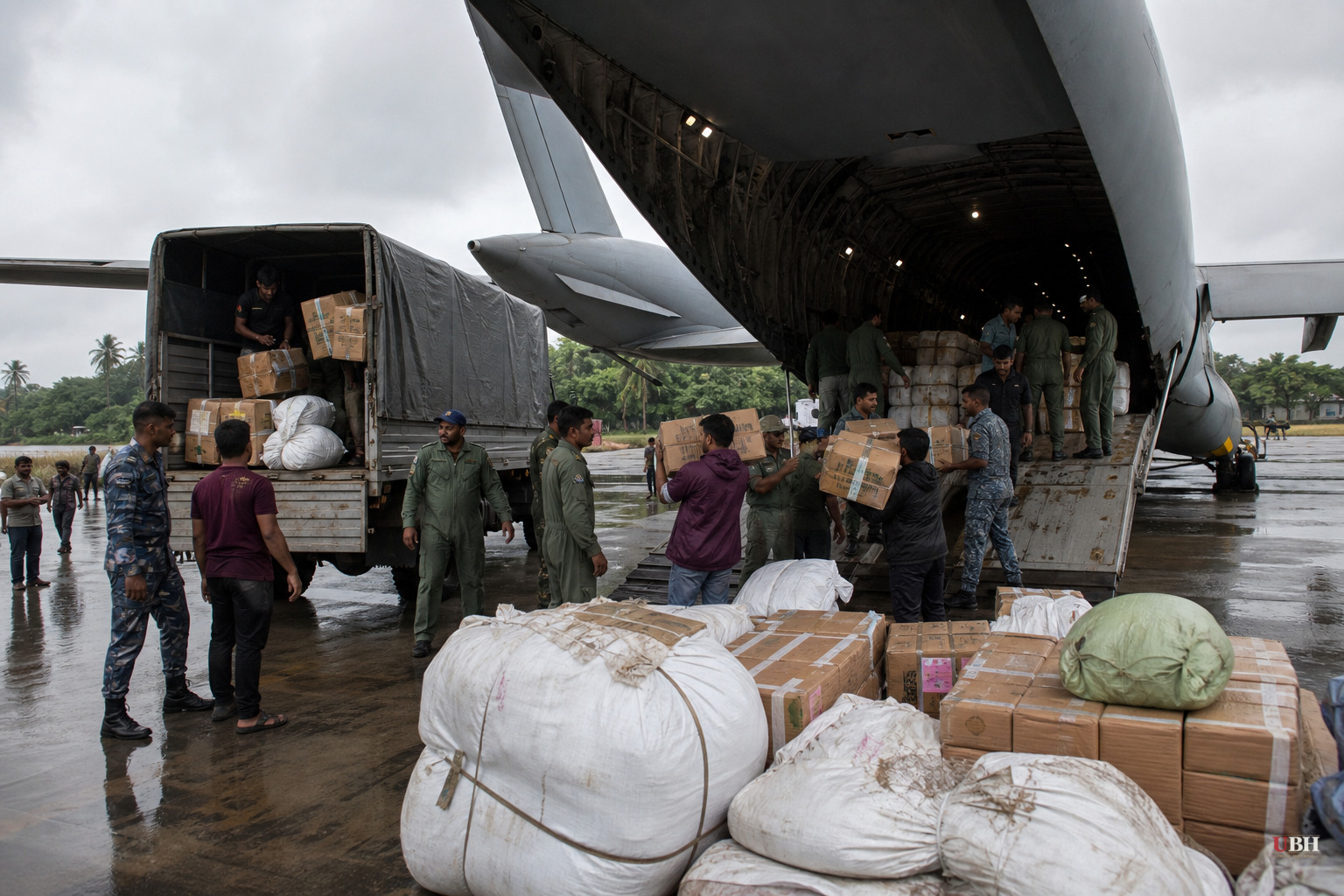
Monsoon flooding in India has killed at least 50 people and displaced 700,000 more after days of heavy rain, according to Indian officials cited by the Associated Press. The scale of displacement puts this among the more severe monsoon disasters India has faced in recent years.
The Associated Press reported the toll Friday, July 24, 2026, based on statements from Indian officials. The report circulating through AP and reprinted by the Washington Post did not break down which states or regions bore the brunt of the flooding, nor did it specify a timeline for when the rains began. Readers trying to understand whether this is a Kerala-style coastal flood, a Himalayan foothill disaster, or a Ganges basin overflow are left without that detail from the available reporting.
Monsoon flooding is an annual feature of Indian life, but the death toll and displacement numbers here are significant enough that Indian disaster response agencies will face pressure to explain preparedness levels. India's National Disaster Response Force typically deploys teams for evacuation and relief in these situations, though the sourced reporting doesn't specify what response has been mounted so far.
700,000 displaced is significant. For comparison, that's roughly the population of a mid-sized American city forced from their homes. Whether these are temporary evacuations to relief camps or longer-term displacements from destroyed housing isn't clear from the available reporting.
Other disasters piling up the same week
The India floods aren't happening in isolation. Spain's government declared a national emergency on Friday, July 24, after wildfires forced the evacuation of roughly 10,000 people in the central Madrid region, according to the Associated Press. That's a separate crisis, but it underscores a summer marked by extreme weather events hitting multiple continents simultaneously.
Separately, the death toll from a landslide in southwestern China's Chongqing region rose to 11 on Thursday, July 23, with 50 people still listed as missing, according to the Associated Press. Search teams recovered three additional bodies from the rubble that day, a week after the landslide initially struck.
None of these three disasters are connected by cause. Flooding in India, wildfire in Spain, and landslide in China, all landing in the same news cycle, illustrate how disaster response systems in multiple countries are being tested at once this summer.
What's missing from the coverage
The strongest reasonable criticism of the current reporting is that it's thin on specifics. A death toll and displacement figure are useful headline numbers, but they don't tell readers what's driving the scale of damage. Is this about inadequate flood defenses, poor urban drainage in specific cities, dam releases, or simply an unusually intense monsoon season? Indian meteorological officials have not been quoted in the available reporting explaining rainfall totals or forecasts for continued rain.
There is also no indication in current reporting of what aid India's central government has pledged, or whether state governments have requested federal disaster assistance. In past severe monsoon seasons, Indian states have sought funds from the National Disaster Response Fund, and opposition politicians have sometimes accused the central government of slow-walking relief, allegations that would need direct sourcing to confirm or dispute here. No such allegation appears in the sourced reporting on this specific flooding event.
What comes next
The immediate question is whether the death toll and displacement figures climb further as monsoon rains continue and floodwaters recede enough for full damage assessments. Landslide and flood tolls in South Asia frequently rise in the days after initial reports, as seen with the Chongqing landslide toll climbing from an initial count to 11 dead with 50 still missing as of July 23.
Indian officials have not yet indicated, per available reporting, when flood waters are expected to recede or when displaced residents might return home. That leaves the 700,000 displaced in an uncertain position, and leaves an open question about how large India's recovery and rebuilding effort will need to be once the rains stop.
Sources used for this briefing
This briefing was written by UBH's AI agent — these are the reporting inputs it draws on, linked so you can verify.


