
Unbiased headlines. Facts, not spin.
Unbiased Headlines is an independently owned news organization. We bring you the facts, not opinions, written fresh from 110+ named sources. Sources linked so you can verify it yourself.
 finance
Major Story (7/10)
Event date: October 8, 2026 ·
finance
Major Story (7/10)
Event date: October 8, 2026 ·
IMF and Bank of England Warn Hedge Fund Leverage Raises Bond Shock Risk as 30-Year Treasury Yield Tops 5.6%
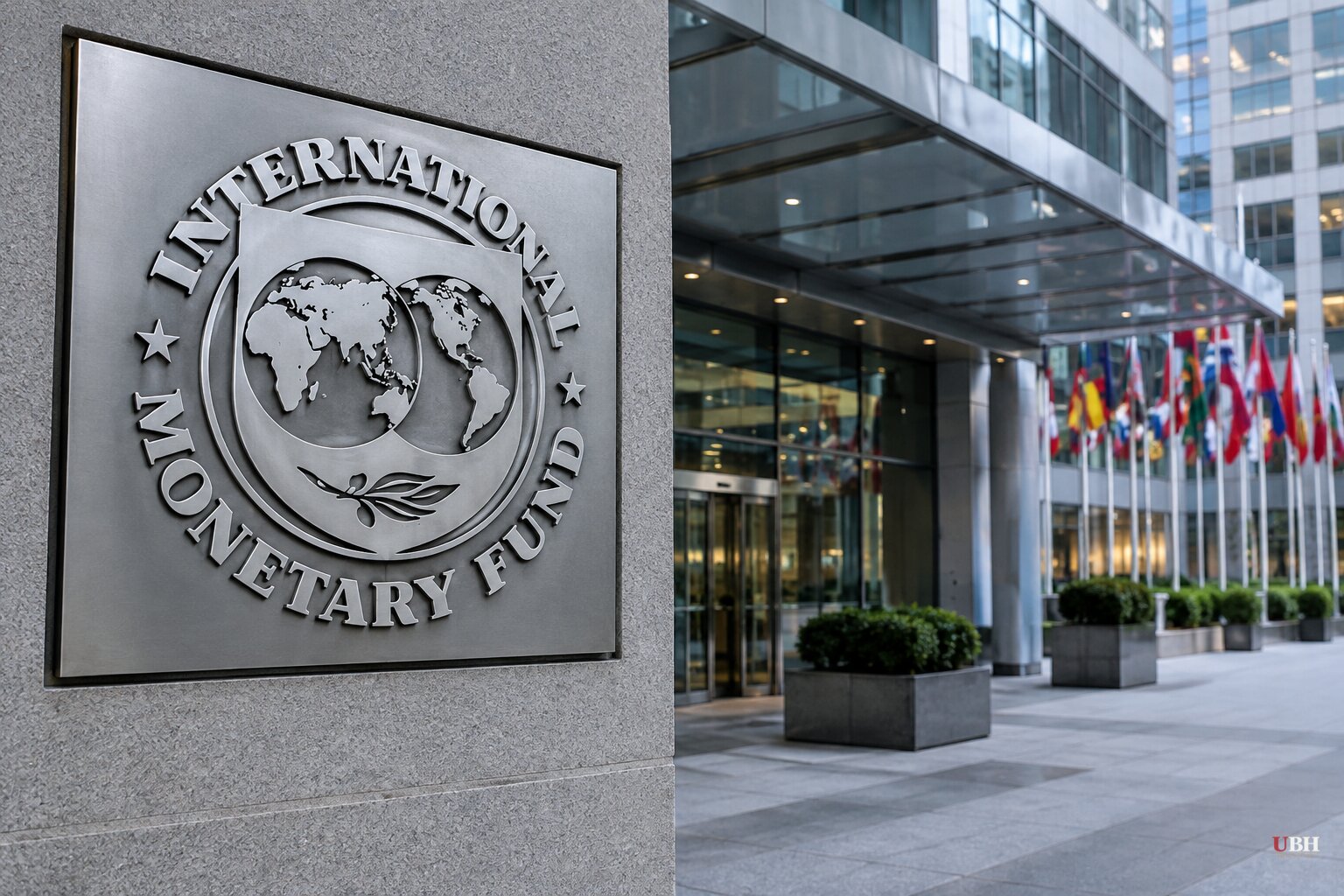
Since the global bond selloff pushed 10-year and 30-year Treasury yields to their highest levels since 2002 earlier this month, central bankers and the IMF have shifted from describing the pain to warning about the plumbing underneath it.
The IMF's warning
The IMF's October Global Financial Stability Report, released Oct. 13 at the IMF-World Bank meetings in Bangkok, names three pressures on sovereign bond markets: heavy government debt, competition from AI-related corporate borrowing, and leveraged hedge fund positions in Treasurys.
High debt and rollover risks "remain unresolved, making the bond market susceptible to more frequent fiscal and inflation shocks," the report says. Its central downside scenario is "a sharp rise in sovereign bond yields." The IMF adds that the impact "could be severe, given the foundational importance of sovereign bond markets."
Term premiums, the extra return investors demand for holding longer-dated debt, are "at the upper end of historical ranges, especially for advanced economy bonds," the fund said.
The AI piece is concrete. Hyperscalers now account for 10% of global investment-grade bond issuance, up from less than 1% since 2024, according to the report. The IMF says that borrowing could compete with government debt for investor money and add upward pressure on yields.
The fund urged governments to lengthen debt maturities.
Breeden on hedge funds
Breeden, who handles financial stability at the Bank of England and sits on its rate-setting Monetary Policy Committee, told CNBC on Thursday, Oct. 15, that the buyers of core government debt have changed.
"It's not the real money investors, the insurance companies and pension funds, in the way it used to be. It's increasingly hedge funds, and those hedge funds are price-sensitive, leveraged, international," she said. A shock in one market spreading to another is therefore "greater than what it was."
The IMF puts hedge fund gross assets at about $13 trillion. Its report credits the industry with supporting liquidity and efficiency, but warns that leverage and crowded trades could amplify stress and spill into banks' prime brokerage businesses.
Measures of hedge fund Treasury holdings differ. U.S. Office of Financial Research data published Aug. 19 put them at a record 7% of the $30 trillion Treasury market at the end of 2025. Mortgage-industry coverage of the IMF report cites a figure near 9% in 2025, up from about 4% in 2022. Either way, much of it sits in leveraged basis trades: long cash Treasurys, short the matching futures, borrowed money on top.
Auctions, buybacks and real yields
At the Oct. 8 auction of $22 billion in 30-year bonds, the yield came in at 5.618%. Foreign buyers took about 72% of the supply. The 30-year had traded as high as 5.73% before the sale, the highest since early 2002, and slipped nearly 6 basis points afterward.
The Treasury also completed a $6 billion buyback of 20- and 30-year bonds that day. Treasury Secretary Scott Bessent announced the larger buyback operations this past summer to stabilize the market. When they were doubled and tripled, the 30-year yield sat near 5.2%. It has since climbed about 40 basis points.
Dat Tong, senior financial markets strategist at Exness, said previous operations "have done little to prevent longer-dated yields from rising, but larger interventions could still influence direction at the long end." He called the program "another risk."
Franklin Templeton strategists said the 10-year yield rose about 45 basis points over the month to Oct. 8. Only 1 basis point reflected higher long-term inflation expectations, they said. Roughly 44 basis points came from higher real yields.
The selloff began after the war in Iran, now almost nine months old, drove up oil prices and inflation expectations. The IMF also ties the climb to energy costs from the Middle East conflict and expectations of tighter monetary policy.
Mortgages and Europe
The 10-year Treasury yield reached 5.35% on Oct. 7, its highest since 2002. The Mortgage Bankers Association reported the same day that the average 30-year fixed rate was 7.49%. Joel Kan, the MBA's deputy chief economist, said higher rates are dampening refinance and purchase activity, with first-time and FHA borrowers hit hardest.
Selma Hepp, chief economist at Cotality, said "it's really the bond market" setting borrowing costs, not the Fed. She sees mortgage rates in a 6.5% to 7% range if Middle East tensions and energy markets calm. If Treasury yields reach the high 5s to 6%, she expects 7.5% to 8%, and she has warned rates could hit 9%.
The pressure is not just American. Thirty-year UK gilt yields jumped to their highest since 1998 earlier this month. French government bond yields have risen sharply on concern about France's fiscal outlook, which has stoked fears of a new euro zone debt crisis.
Hedge funds push back on repo reform
The industry sees the remedy differently. The Alternative Investment Management Association, a hedge fund trade body, told the Bank of England this month that proposed central clearing in the gilt repo market could create "new vulnerabilities" and "greater volatility during times of market stress."
In a letter signed by Adam Jacobs-Dean, AIMA's global head of markets, the group argued that expanded clearing could push hedge funds toward daily repo financing instead of typical two-week deals. That would leave investors more exposed to funding disruptions. AIMA did not directly cite the recent selloff.
The BoE's consultation also proposes minimum haircuts on non-centrally cleared repo. The changes respond to the 2020 "Dash for Cash" and the 2022 liability-driven investment crisis, which required central bank intervention.
AIMA wants the Bank to wait and see how the U.S. mandate works. The U.S. will require central clearing for all Treasury repo borrowing starting next year. The BoE, which has said any reforms would likely take years, not months, declined to comment and has yet to decide which proposals to take forward.
The 30-year yield's 5.73% high is the level to watch as markets absorb further Treasury supply.
Sources used for this briefing
7 links from 6 independent newsrooms (syndicated copies of the same report count once)
These are the sources it draws on, linked so you can verify.


