
Unbiased headlines. Facts, not spin.
Every story is an unbiased news briefing written from 110+ sources across the spectrum — sources linked so you can verify it yourself.
 politics
Major Story (7/10)
July 29, 2026 at 05:29 PM
politics
Major Story (7/10)
July 29, 2026 at 05:29 PM
ICE Drafts Contracts Declaring State Laws Don't Apply to Detention Facilities
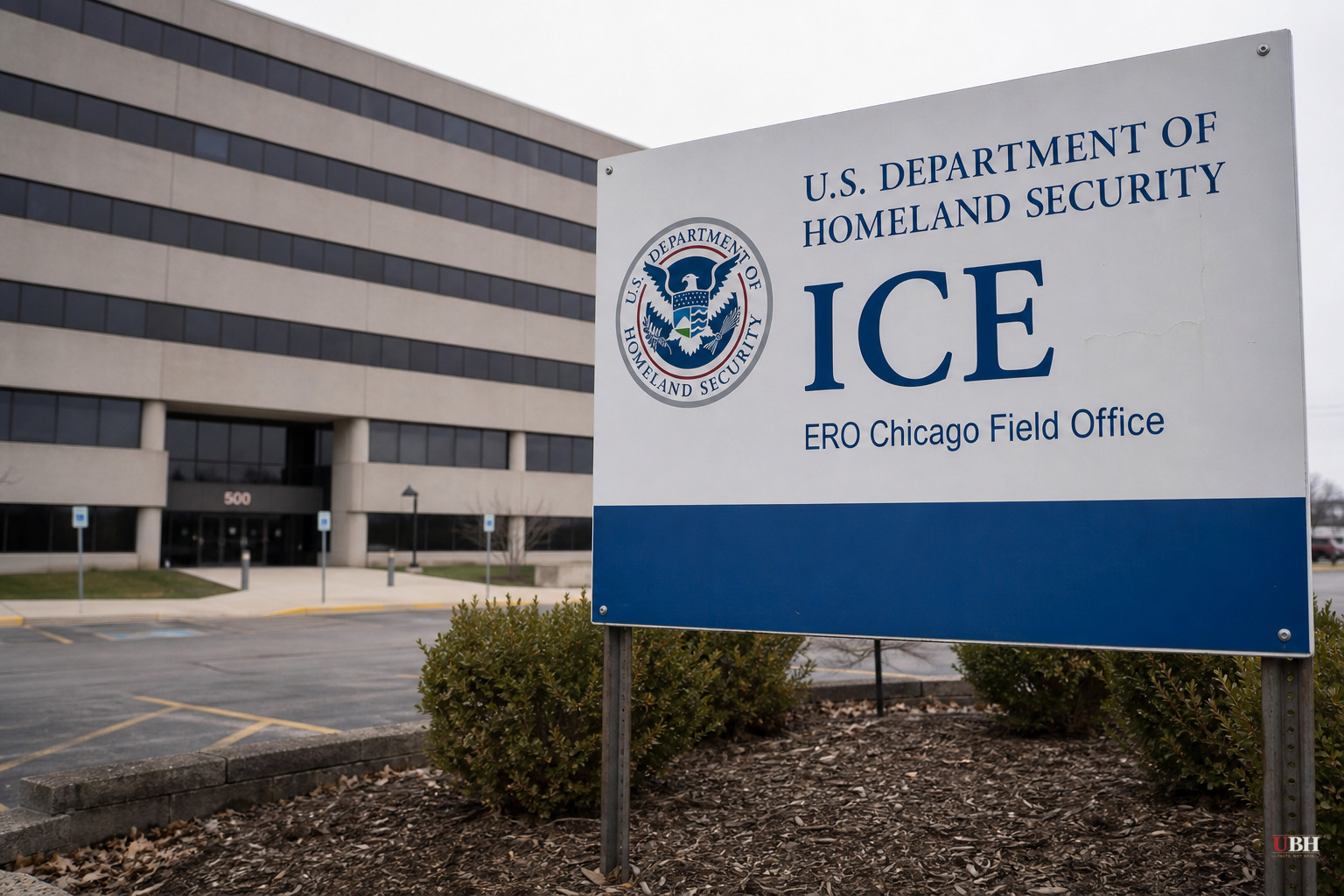
Since GEO Group's Tacoma detention center was ordered opened to Washington state health inspectors on July 9, ICE has moved to rewrite the rules of the game entirely.
On July 10, one day after that ruling, ICE published draft contract terms for 5,500 detention beds across four regions. The language is blunt: state and local laws "shall not apply" to the facilities' operations, according to federal documents reviewed by WIRED.
ICE's move comes one day after a federal judge told them a contract can't do what these new contracts are trying to do.
What the Judge Actually Ruled
US District Judge Benjamin Settle's ruling came after three years of litigation, 10 refused inspections, and 3,500 detainee complaints tied to the Tacoma facility, according to Washington state records cited by WIRED. That's not a fast process—a state agency got stonewalled for years before a court stepped in.
Settle found that GEO Group had signed a new contract with ICE in the middle of the lawsuit specifically to bolster its argument that ICE, not GEO, controlled building access. "Preemption requires Congressional intent, not a contract," Settle wrote. "GEO's new contract cannot preempt state law, even if it purports to."
Settle also flagged something GEO left out of its own court filing: a contract provision where ICE agreed to ask the Justice Department to get GEO dismissed from lawsuits over its performance, or have ICE substituted in as the defendant instead. That allowed a company to outsource its legal liability to the federal government while continuing to collect payments.
A Ninth Circuit judge paused Settle's order on July 21. A ruling on a longer stay is expected in early August, so Washington health inspectors are locked out of Tacoma for now while that plays out.
The New Contracts Aren't Subtle
The draft terms ICE posted, first reported by the newsletter Project Salt Box and confirmed by WIRED, require winning facilities to start housing detainees within 30 days of contract award. No new construction hits that deadline. That timeline only works if the "winner" is a facility that already exists and is already running.
And the required bed counts and locations match GEO's current facilities almost to the number: Tacoma, Aurora in Colorado, Pompano Beach in Florida, and Philipsburg in Pennsylvania. The Florida requirement calls for exactly 700 beds, the same guarantee already in GEO's Pompano Beach contract, according to ICE's own facilities data.
The timing lines up too. Tacoma's current contract runs through October 27. The Pennsylvania facility's agreement with Clearfield County expires September 28. Clash Report notes that shifting Philipsburg to a direct federal contract would cut the county government out of the approval process entirely, right before that deadline hits.
The draft terms also shift facilities to updated National Detention Standards issued in June, which Clash Report describes as reducing contractor compliance requirements compared to the standards used since 2011. Under the new terms, outside inspections would be limited to federal personnel and ICE-approved third parties. Local health and safety inspectors, like the ones Washington just won court-ordered access for, would be locked out by contract language instead of by a judge's temporary stay.
The Pattern Isn't New, It's Just More Direct
This follows a similar move in California, where, according to Clash Report, federal officials bought two detention sites from CoreCivic for $1.5 billion after local authorities won inspection access there in court. When litigation forces transparency, the federal government's response so far has been to change the ownership or contract structure rather than open the doors.
DHS spokesperson Lauren Bis has attributed these federal purchasing and contracting moves to states creating what DHS characterizes as obstruction, though the specifics of that argument weren't detailed in the available record. The federal government runs immigration enforcement, and a patchwork of 50 different state inspection regimes could genuinely complicate uniform national detention standards. Whether that justifies contract language stripping state authority outright is a separate question the courts, not ICE's procurement office, will have to settle.
No court has ruled on the new July 10 contract terms yet. Settle's ruling addressed the old Tacoma contract; the new draft language for all four facilities hasn't been tested in front of a judge. Washington's health inspectors remain locked out of Tacoma while the Ninth Circuit decides on a longer stay, expected in early August. If the new contracts get awarded on the same 30-day timeline they describe, that could happen before the Ninth Circuit even rules on the older dispute.
Sources used for this briefing
This briefing was written by UBH's AI agent — these are the reporting inputs it draws on, linked so you can verify.


