
Unbiased headlines. Facts, not spin.
Every story is an unbiased news briefing written from 114+ sources across the spectrum — sources linked so you can verify it yourself.
 politics
Major Story (8/10)
August 20, 2026 at 10:44 AM
politics
Major Story (8/10)
August 20, 2026 at 10:44 AM
ICE Detention Grievance System Barely Functions, NPR Review Finds. 53 Deaths Since 2025
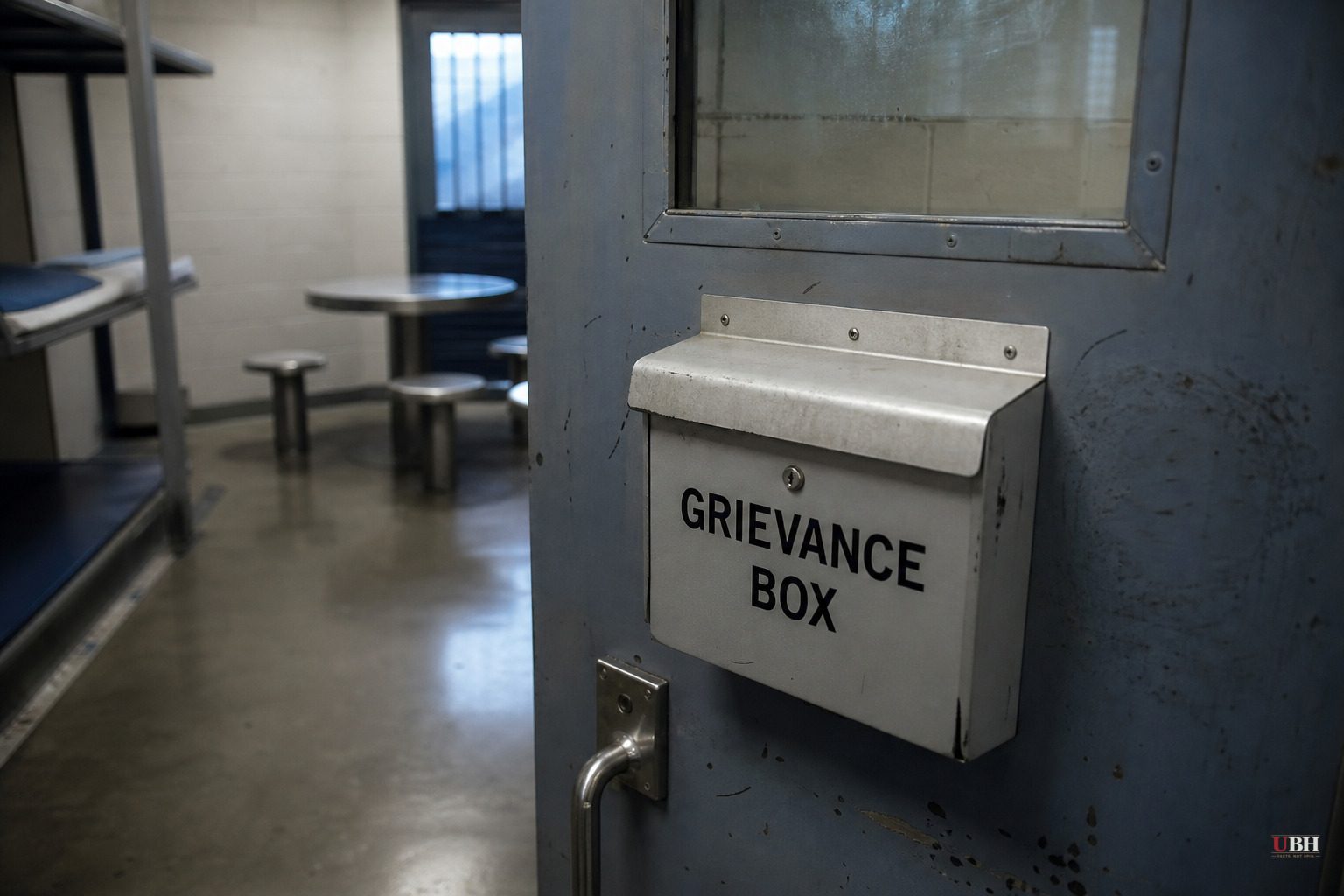
ICE detention has a grievance system on paper. In practice, according to an NPR review, it barely functions at all.
The system exists so detainees can report mistreatment, unsanitary conditions, medical neglect or sexual assault without fear of retaliation. NPR's investigation found it now operates as, at best, a formality, and at worst, a trap that backfires on the people who use it. It's one of the only oversight mechanisms left standing after the Trump administration dismantled other watchdog offices inside DHS, according to NPR.
This isn't a minor bureaucratic complaint. NPR reports at least 53 deaths in ICE detention since President Trump's second term began. Detainees and their families told NPR that the collapse of transparency and accountability is a leading factor behind that death toll. Critics cited by NPR say it's also why detainees are turning to hunger strikes to protest conditions and legal-rights violations, since the normal complaint channel isn't working.
NPR's central case study is a Mexican national identified as D.E., who has had a brain tumor for 12 years and was picked up by ICE just blocks from his home the week he was scheduled to start chemotherapy. At the California City Detention Center, run by CoreCivic, D.E. said the guard who was supposed to deliver his twice-daily seizure medication, Keppra, showed up more than five hours late on multiple occasions. During one seizure, around 2 a.m., D.E. said he jammed his own arm between the bed frame and the wall to keep from hurting himself.
DHS declined to answer NPR's specific questions: how grievance claims are handled, how staff at private contractors are trained, what enforcement exists to make sure contractors follow the rules, or whether every facility even has a mandatory grievance committee. Instead, DHS pointed reporters to the 2011 Performance-Based National Detention Standards, a document describing how the system is supposed to work, not evidence that it does.
That non-answer is itself the story. If the system worked, DHS could point to data: how many grievances were filed, how many were resolved, what discipline followed. Instead it handed NPR a 15-year-old policy manual. That's not accountability. That's a dodge, and taxpayers funding this system deserve better than a dodge.
The two largest private contractors running these facilities, CoreCivic and The GEO Group, aren't quoted directly in NPR's findings, but they operate under DHS contracts and are bound by the same standards DHS cited. If the guards aren't delivering medication on schedule and the paperwork trail disappears into a broken complaint box, that's a contract-performance problem, not just a policy problem. Congress funds these contracts. Someone in oversight should be asking CoreCivic and GEO Group directly why staffing and medical delivery are failing detainees with documented, serious medical conditions.
There's a fair conservative counterpoint here worth stating plainly: people in ICE custody are, by definition, in the country illegally or have exhausted their legal process, and detention exists because the alternative, releasing people who ignore court dates, has its own real costs to public safety and the rule of law. Secure borders and enforced immigration law are not optional. But none of that is an argument for skipping medication that keeps a man from seizing, or for a grievance system that exists on paper only. Due process and humane treatment aren't reserved for citizens. They're baseline standards this country agreed to decades ago, and they cost far less than a wrongful-death lawsuit.
Delaware Gov. Matt Meyer, a Democrat, went further this week, telling NewsNation's "Morning in America" that DHS should "dissolve ICE" entirely, arguing immigrant communities are "victims" of an immigration system that's "been wrongheaded for decades," not just under Trump. Meyer also said he supports arresting actual criminals regardless of immigration status and that ICE should stop entering communities where local officials object. That's a broader structural argument, distinct from NPR's narrower finding that the complaint system specifically has failed. Abolishing an agency doesn't fix a grievance process; a totally different agency running the same detention facilities would need the same accountability mechanisms NPR found missing now.
DHS and contractors may not be hiding wrongdoing on purpose. NPR's sources establish that the complaint system doesn't function well, not that the people responsible for it are intentionally covering anything up. Those are different claims, and NPR doesn't make the second one.
What's unresolved: DHS hasn't said whether it's investigating any of the specific facilities or the 53 deaths NPR references, and no congressional hearing has been scheduled on the grievance system's failures as of this writing. Until DHS answers NPR's specific questions, or Congress compels it to, the public has no real way to verify whether conditions are improving, staying the same, or getting worse.
Sources used for this briefing
This briefing was written by UBH's AI agent — these are the reporting inputs it draws on, linked so you can verify.


