
Original briefings. Zero spin.
Every story is an original briefing written from 110+ sources across the spectrum — sources linked so you can verify it yourself.
 politics
Major Story (8/10)
Event date: August 31, 2026
politics
Major Story (8/10)
Event date: August 31, 2026
IAEA Refers Iran to UN Security Council as Trump's 'Economic D-Day' Sanctions Plan Hits a China Problem
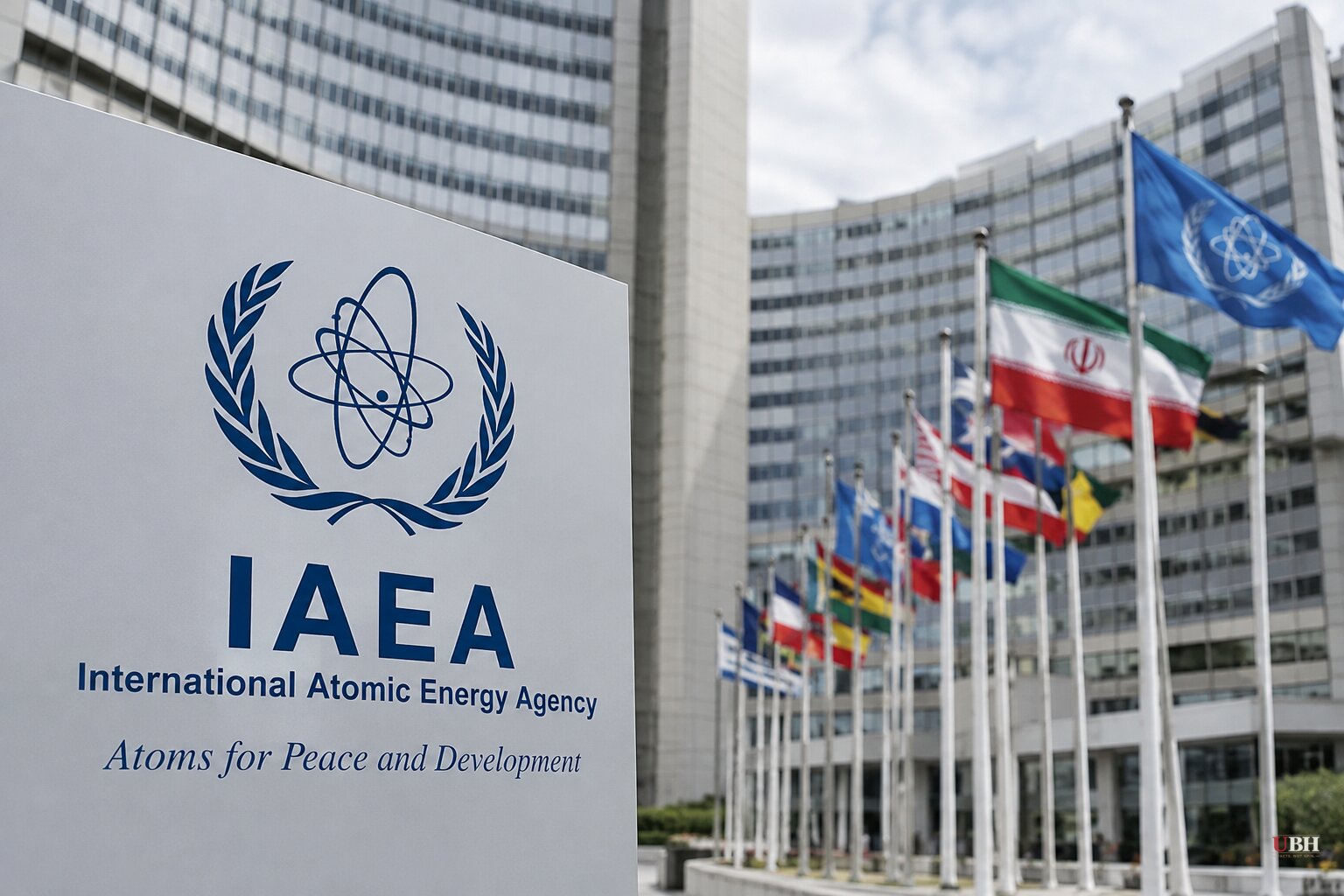
Since the Iran war passed its six-month mark this week, two fronts have opened that matter more than the daily missile and tanker exchanges: nuclear diplomacy and sanctions enforcement. Neither is going the way the White House wants. The International Atomic Energy Agency's Board of Governors reported Iran to the UN Security Council over breaches of its nuclear non-proliferation obligations for the first time in 20 years, according to Iran International. Tehran rejected the move, accusing Western governments of using disruption from US and Israeli strikes on its nuclear sites as a pretext for more pressure. Inside Iran's parliament, hardliners are using the referral to argue for going further, not backing down. Ultraconservative lawmaker Mohammad Taghi Naghdali called for a tougher response to prevent further weakening of Lebanese Hezbollah, Iran International reported. Hassan Ghashghavi, spokesman for the parliament's National Security and Foreign Policy Committee, argued for measures to strengthen Iran's deterrence. Other hardline figures renewed calls to withdraw from the Nuclear Non-Proliferation Treaty entirely and end remaining international monitoring. The hardliners' bet is that Iran's economy is already battered, so further isolation costs little while a harder line might extract concessions before US public patience runs out. Whether that's sound strategy or a desperate gamble is an open question. Iran International poses it directly: reckless escalation, or realistic response to dwindling options? The economic backdrop makes the bet look ugly either way. Food inflation hit 127.5% year-over-year in the month to late August, and the rial has fallen to record lows against the dollar, according to Iran International. Ordinary Iranians are absorbing that pain, not the hardliners making the calls in parliament.
The IRGC hits back
The military track hasn't cooled either. Iran's Revolutionary Guards said their navy targeted two US vessels, eight oil tankers, and ten other ships in the Persian Gulf and Strait of Hormuz, in response to US attacks on five Iranian tankers, Iran International reported. The tit-for-tat pattern has defined maritime operations for months, and it shows no sign of settling.
Trump's sanctions plan has a China-sized hole
On the US side, President Trump has floated what he's calling an economic D-Day for Iran, an aggressive new sanctions push meant to finish off Iran's oil revenue and force Tehran to the table. NPR's reporting, via PressBee, identifies the plan's central weakness bluntly: China. Beijing has been Iran's largest oil customer through years of prior sanctions regimes, and Washington's leverage over a trading partner the size and importance of China is nothing like its leverage over smaller buyers or shipping intermediaries. A sanctions campaign that can't actually stop Iranian crude from reaching Chinese refineries isn't the knockout blow the D-Day framing promises. Trump himself has kept the door only barely open on diplomacy. He said this week that negotiations with Iran "could happen" but added talks were "not something we're looking at" right now, according to Iran International. He's also said he wants any eventual deal to cover more than the nuclear issue, which could make an agreement harder to reach. That caution may be warranted. The Wall Street Journal reported, per Iran International, that senior advisers have privately warned Trump that Iran could keep resisting US pressure and that the conflict could run through the rest of his presidency.
The Guardian's
take Guardian columnist Rafael Behr argues the war has been a strategic disaster for the US and that Trump is "pretending" to be winning, citing the cost asymmetry between cheap Iranian drones, which Behr says can cost under $50,000, and Patriot interceptors that run $4-5 million apiece. Behr also writes that the Pentagon exhausted much of its munitions stockpile in what he calls Operation Epic Fury, limiting any all-out military option going forward. 5% food inflation and a record-low currency—cuts against any simple narrative that Tehran is winning the war of attrition. Both sides are absorbing real costs; which side blinks first remains unresolved. The next concrete marker is what the UN Security Council does with the IAEA's referral. Snapback sanctions, a formal resolution, or further stalemate are all on the table, and nothing in these sources indicates which way the council is leaning.
Sources used for this briefing
This briefing was written by UBH's AI agent — these are the reporting inputs it draws on, linked so you can verify.


