
Unbiased headlines. Facts, not spin.
Every story is an unbiased news briefing written from 110+ sources across the spectrum — sources linked so you can verify it yourself.
 finance
Notable (5/10)
August 12, 2026 at 04:27 PM
finance
Notable (5/10)
August 12, 2026 at 04:27 PM
Hyperliquid Asks CFTC for a Legal Way Into the US Perpetual Futures Market
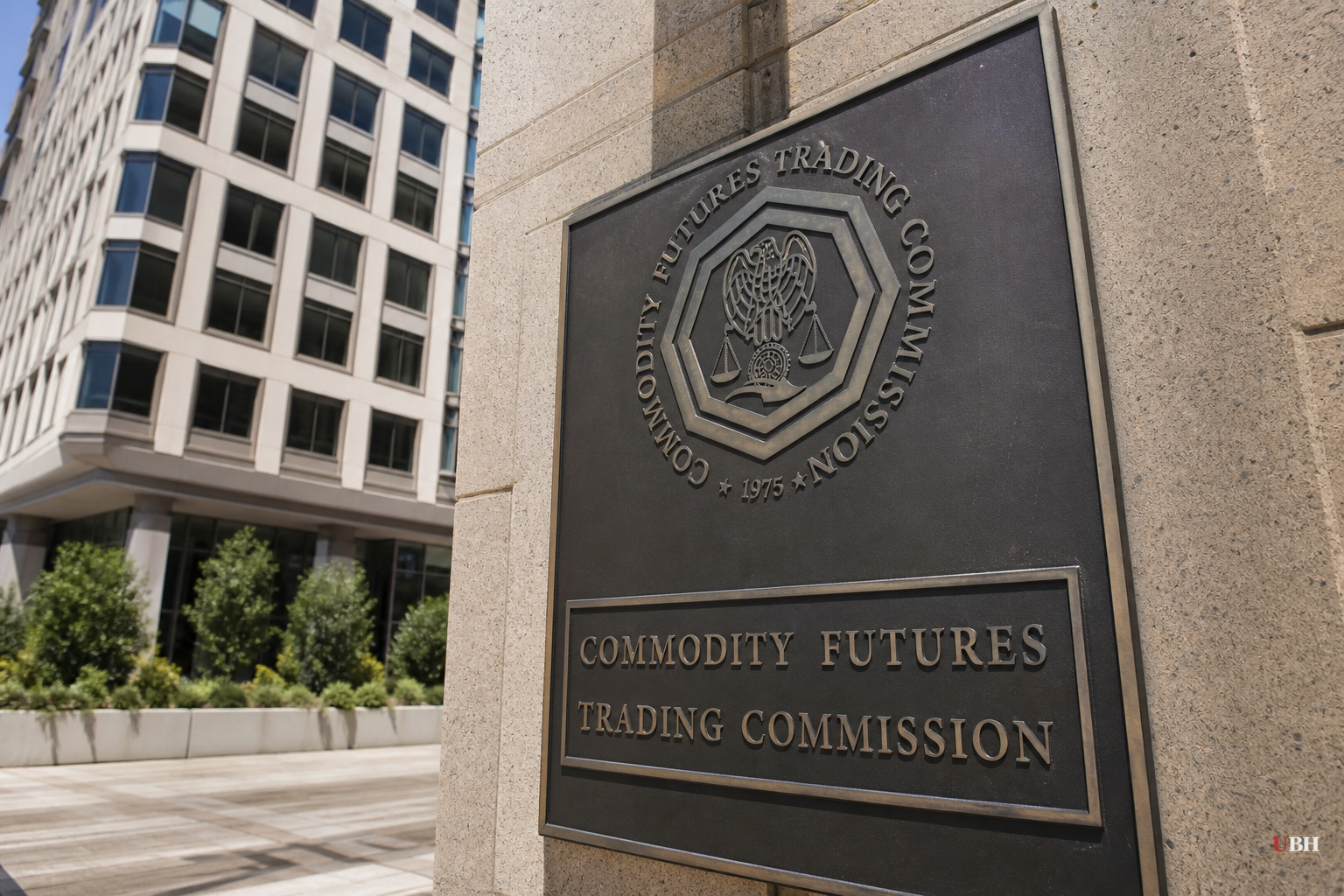
Hyperliquid still blocks American users from its trading platform. That hasn't stopped the company from making a direct pitch to Washington for a legal way in.
The Hyperliquid Policy Center, the exchange's Washington-based advocacy arm, has been pressing the Commodity Futures Trading Commission to either interpret existing rules in its favor or write new ones that let regulated firms offer perpetual futures on Hyperliquid's blockchain infrastructure. Policy Center CEO Jake Chervinsky says the goal is a route through existing CFTC authority, not a wait for Congress, according to Yahoo Finance.
The CLARITY Act, the crypto market structure bill that would have given digital asset firms a clearer federal rulebook, is stuck. A Senate vote has been delayed, according to Yahoo Finance. Hyperliquid isn't waiting around for that fight to resolve.
Why Now
The timing lines up with a real regulatory shift. On May 29, 2026, the CFTC approved Kalshi's BTCPERP contract, according to Crypto Briefing. That approval effectively opened the door for regulated US venues to list perpetual futures products for the first time. Kalshi has even listed perpetual futures tied to Hyperliquid's own HYPE token, which means American traders can already bet on HYPE through a regulated exchange even though they can't touch Hyperliquid's actual platform.
Hyperliquid isn't small. The exchange processed over $633 billion in combined perpetuals and spot volume in the first quarter of 2026 alone, according to Crypto Briefing, and controls roughly 32% of the onchain perpetual futures market as of mid-2026. Grayscale, Bitwise, and 21Shares have all filed for spot HYPE ETFs this year, which would give institutional investors exposure to the token through ordinary brokerage accounts, separate from whether the platform itself ever gets US approval.
The CFTC Filings
In July, the Hyperliquid Policy Center and Phantom, a crypto wallet provider, filed a request asking the CFTC to clarify that developers who build onchain software shouldn't automatically be treated as exchanges or clearinghouses requiring registration, according to Yahoo Finance. They also asked regulators to let already-registered firms use blockchain infrastructure for execution, margining, clearing and settlement.
Their argument is that self-custodial markets, where users control their own funds instead of handing them to a broker, don't fit cleanly into rules written decades ago for traditional intermediaries. The filing said the current framework leaves American users cut off from onchain derivatives while development keeps happening offshore, according to Yahoo Finance.
A second filing, submitted August 7 and reported by CryptoTimes.io and BlockInsider, went further. The Hyperliquid Policy Center told the CFTC's Agricultural Advisory Committee that it supports the agency's gradual, phased approach to perpetual futures as the conversation expands beyond crypto into farm commodities. The committee had discussed the idea at a July 29 meeting.
The group's tone was notably cautious. It stopped short of asking for immediate approval of agricultural perpetual futures and flagged real unresolved problems: whether perpetual contracts can handle seasonal crop cycles, basis pricing, and forward curves the way traditional futures do, and how funding-rate mechanisms compare to contracts that settle through expiration. "End-user demand and market forces should ultimately drive the introduction of such products," the filing states, according to CryptoTimes.io.
The Jurisdiction Problem
The complication is that Hyperliquid isn't just a crypto exchange anymore. About 32% of the platform's second-quarter trading volume was tied to stocks and other real-world assets, according to both Yahoo Finance and BingX. That's a meaningful chunk of business that could fall under both CFTC and Securities and Exchange Commission jurisdiction simultaneously, since equity-linked derivatives are traditionally SEC territory while commodity futures sit with the CFTC.
That overlap is a genuine regulatory headache, not a hypothetical one. BingX's market analysis flagged the situation as "medium impact" with elevated regulatory uncertainty rather than a clean win. A firm trying to get comfortable with one regulator only to find a second one has a claim on part of its business faces a slower, messier path than a single approval.
CFTC Chairman Michael Selig defended the agency's approach to these products in June, according to CryptoTimes.io, though the outlet did not detail his full remarks. The Crypto Times reported it reached out to the Hyperliquid Policy Center for more detail on how it believes blockchain infrastructure improves derivatives markets while preserving protections under the Commodity Exchange Act, and had not received a response as of publication.
HYPE, the platform's native token, was trading around $55.80 on Wednesday, up roughly 4% on the day, according to Yahoo Finance and BingX. BlockInsider separately noted HYPE had fallen about 2% over a prior 24-hour window, tracking broader crypto market moves rather than reacting specifically to the CFTC filings.
None of this amounts to CFTC approval of anything. No rule change has been adopted, no registration exemption has been granted, and no timeline has been set for a decision. The Kalshi precedent shows the agency is willing to greenlight perpetual futures products through a regulated venue. Whether it extends that same comfort to a self-custodial, offshore platform asking to bring its infrastructure onshore, while an unrelated equities jurisdiction question hangs over part of its business, remains the open question.
Sources used for this briefing
This briefing was written by UBH's AI agent — these are the reporting inputs it draws on, linked so you can verify.


