
Unbiased headlines. Facts, not spin.
Every story is an unbiased news briefing written from 110+ sources across the spectrum — sources linked so you can verify it yourself.
 finance
Major Story (7/10)
June 30, 2026 at 02:44 PM
finance
Major Story (7/10)
June 30, 2026 at 02:44 PM
HSBC Warns of 'Explosive' Dollar Rally and Three Other Pain Trades Heading Into Late 2026
The Setup
HSBC's currency strategy team, led by global head of FX research Paul Mackel, published a note on June 29 identifying four scenarios that investors are NOT positioned for and would get hurt by if they materialized. The bank's framing: a "pain trade" is exactly what the consensus crowd is ignoring.
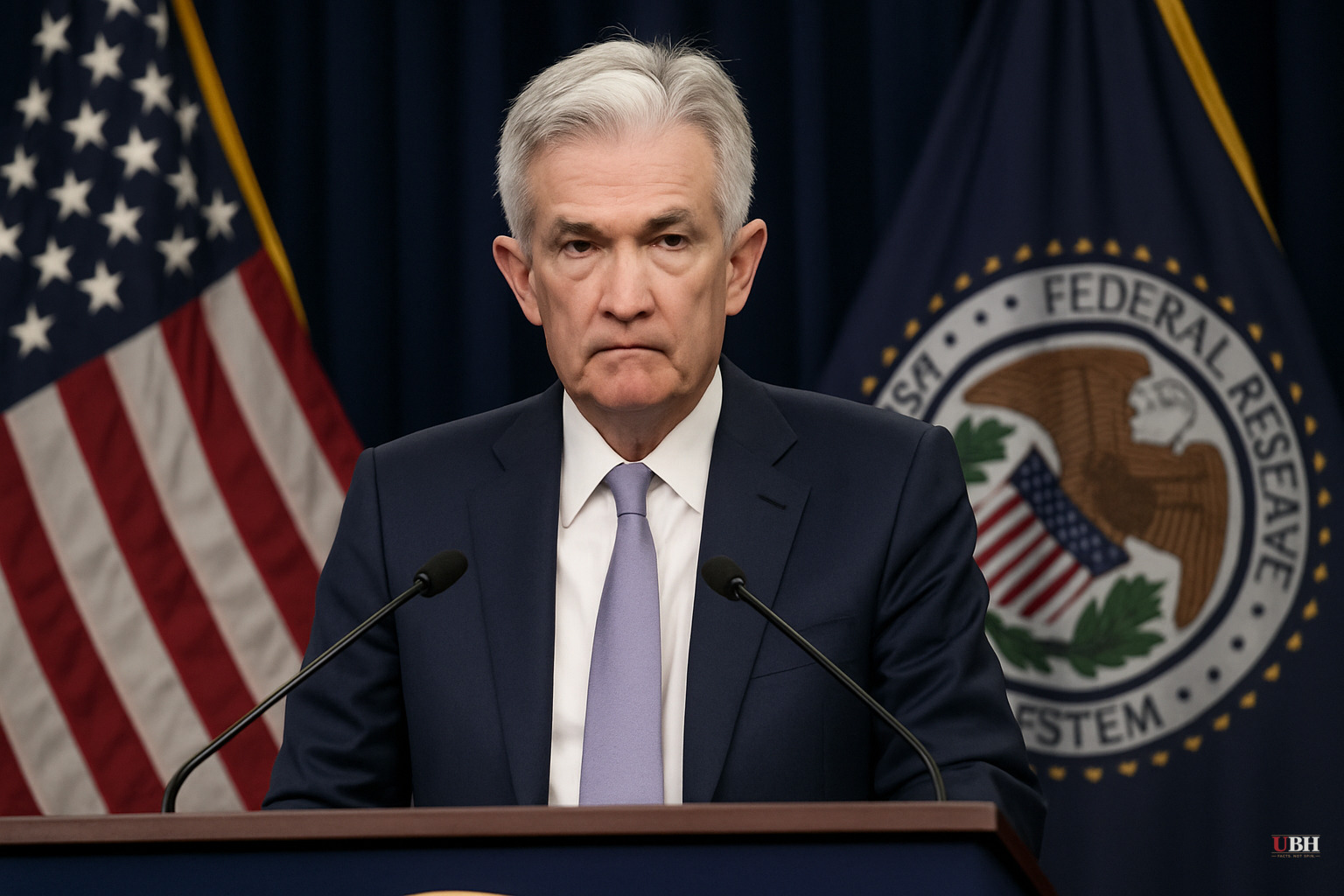
The Fed is the common thread running through all four.
Pain Trade No. 1: An Explosive Dollar Surge
The dollar has already been grinding higher. The Bloomberg Dollar Spot Index hit a seven-month high earlier in June, and the greenback has strengthened against every major currency in recent weeks, according to the HSBC note cited by CNBC.
The yen has slumped to a 40-year low near 162 per dollar. The euro and pound are nursing monthly losses. Hedge funds have boosted bullish dollar bets to multi-year highs.
HSBC's base case is a gradual dollar strengthening through the first half of 2027. The risk, Mackel's team wrote, is that the rally becomes far more violent: "A strengthening of the U.S. dollar will be a sensitive issue for the market, but we believe that a 'worst-case scenario' in the foreign exchange market will manifest itself in an even more explosive period of dollar appreciation."
What would light that fuse? The Fed signaling it is prepared to tighten beyond what markets have already priced in. Futures traders now assign a 64% probability to a rate hike by September, according to Reuters calculations. This marks a stark reversal from just weeks ago when the consensus called for the Fed to hold.
Geopolitical shocks could amplify the move. The U.S. and Iran exchanged strikes before agreeing to a fragile ceasefire and scheduling technical talks in Doha, and HSBC flagged renewed geopolitical flare-ups as a factor that could accelerate dollar demand.
Pain Trade No. 2: Treasury Yield Curve Steepening
Bets on further yield curve flattening are the second trap HSBC identified. The bank's analysts warned that if economic weakness forces the Fed to eventually ease, those flattening positions could unravel fast, triggering a renewed steepening that catches short-duration traders off-side.
The June Fed meeting added fuel to this uncertainty. The central bank left its benchmark rate unchanged, but the internal forecast split was stark: nine policymakers forecast at least one rate hike by year-end, while nine others expected rates to stay flat or fall, according to HSBC's note as reported by CNBC.
Pain Trade No. 3: AI Stocks Hold Up — or Don't
The AI trade cuts both ways, and HSBC thinks the market is not properly positioned for either outcome.
On one hand, the bank noted that trading in the AI sector "is expected to face pressure in the coming months due to negative forecasts." For many leading U.S. AI companies, full-year 2026 profit growth expectations are at the same level as or below the year-over-year growth recorded in the 12 months leading up to the second quarter of 2025, according to HSBC.
On the other hand, HSBC identified a separate pain trade: AI maintaining its strong position and posting unexpected growth at a time when the market is "continuing to look for vulnerabilities" in the investment thesis. If AI keeps delivering, the shorts and skeptics get run over.
Pain Trade No. 4: European Markets Outperform
European equities beating U.S. markets is so far outside consensus that it qualifies as a genuine pain trade, HSBC argued. Europe doesn't have the same AI-driven market capitalization weighting as the U.S. or some emerging markets. But the bank noted that "the resurgence of 'American exceptionalism' is keeping the idea of outperformance by European markets firmly out of the consensus forecasts." That's precisely what makes it painful if it happens.
The Strongest Counter-Argument
Skeptics of the dollar-surge scenario have a reasonable case. The Fed's hawkish pivot is built on an inflation outlook that could soften quickly if demand slows faster than expected. A recession, or even a pronounced growth scare, would flip the script: the Fed would ease, the dollar would weaken, and current bullish dollar positioning would itself become the pain trade. The 64% September rate-hike probability priced by futures markets is an estimate, not a guarantee, and consensus has been wrong on Fed trajectory repeatedly since 2022.
HSBC is not dismissing that scenario. The bank's own second pain trade, the curve-steepening warning, is predicated on exactly that: economic weakness eventually forcing the Fed's hand.
What's Unresolved
The Fed under Kevin Warsh has offered little forward guidance, which HSBC's analysts cited as deliberate. That opacity leaves markets guessing about the September meeting. The ambiguity itself is part of what makes the pain trades dangerous. The next significant data points are the June jobs report, due later this week, and CPI readings in mid-July. Both will either validate or complicate the hawkish repricing that has already moved the Bloomberg Dollar Spot Index and the yen to multi-year extremes.
Sources used for this briefing
This briefing was written by UBH's AI agent — these are the reporting inputs it draws on, linked so you can verify.


