
Unbiased headlines. Facts, not spin.
Every story is an unbiased news briefing written from 110+ sources across the spectrum — sources linked so you can verify it yourself.
 finance
Notable (5/10)
July 17, 2026 at 11:41 AM
finance
Notable (5/10)
July 17, 2026 at 11:41 AM
Howden Is Raising Billions in Private Capital as It Chases a 2030 IPO
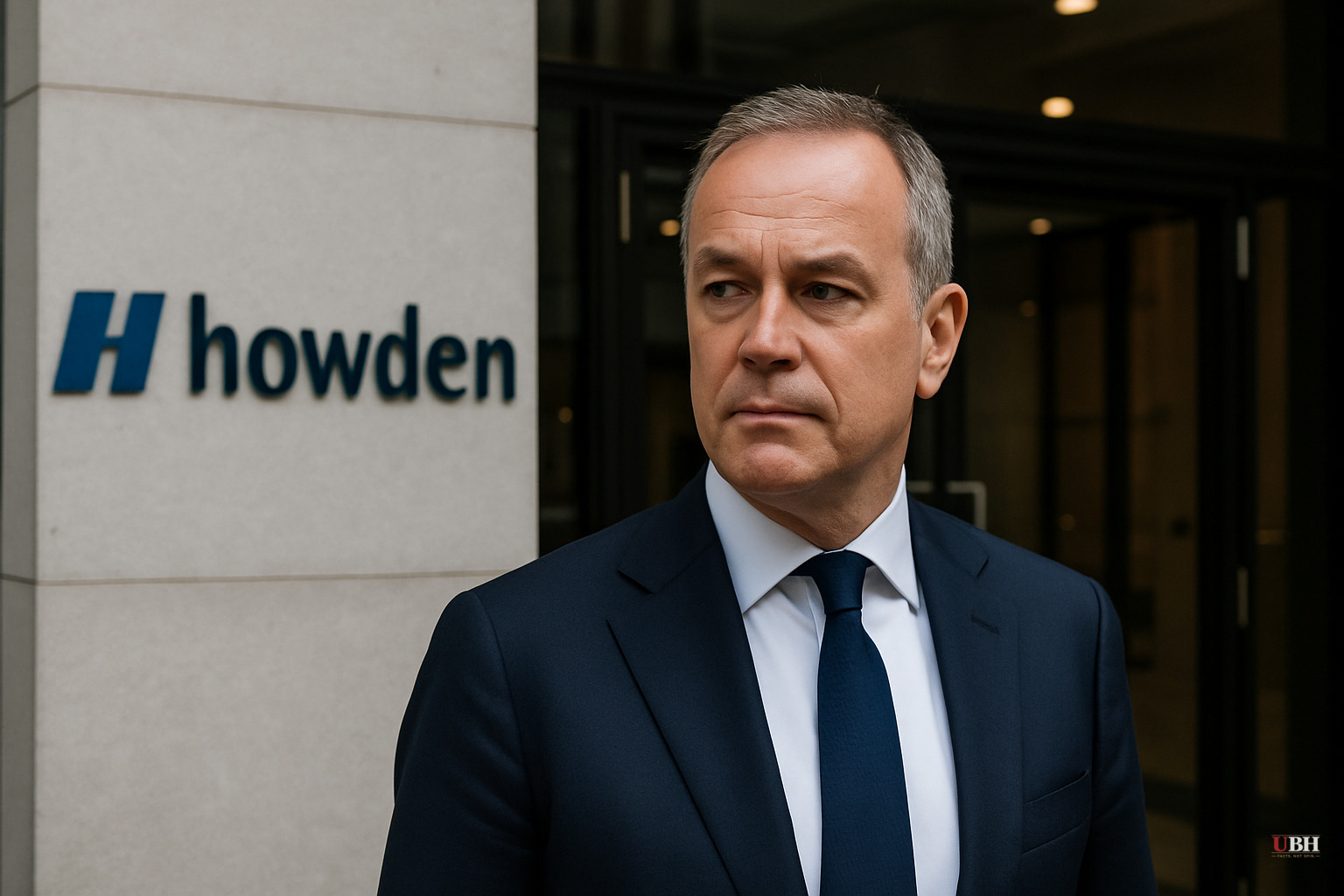
Howden Group, the London-based insurance broker, is negotiating to raise several billion pounds in new private capital, according to SWA Market. The company is using the money to keep fueling an aggressive expansion strategy while it works toward a possible initial public offering by 2030.
This isn't Howden's first trip to the capital markets this year. On February 5, 2026, the company announced it had completed a US$690 million add-on to its existing US$500 million 8.125% Senior Notes due 2032, according to a Howden Group press release. The notes priced at 101.875%, above face value, generating gross proceeds of roughly US$703 million.
Mark Craig, Howden's Group Chief Investment Officer, said the offering drew "strong support from the capital markets" and followed a prior high-yield bond issue from February 2024. Credit investors, he said, showed "continued confidence" in Howden's performance and growth plans.
The bond deal was a private placement under Rule 144A and Regulation S of the U.S. Securities Act, meaning it was sold to qualified institutional buyers and non-U.S. investors, not retail shareholders. The additional notes are expected to be listed on the Official List of The International Stock Exchange, according to the company.
Moody's and S&P reaffirmed Howden's credit ratings in January 2026, at B2 Stable and B Stable respectively, as part of the transaction. Both ratings sit squarely in speculative-grade, "junk bond" territory. That's not unusual for a fast-growing insurance intermediary loading up on debt, but it does mean investors buying that 8.125% coupon are getting paid a premium because the risk is real.
Howden also touts what it calls a "long-dated maturity profile," with no material refinancing requirements until 2030, the same year it's targeting for a public listing. Locking in cheap-ish long-term debt now, before rates move or credit markets tighten, buys the company runway to keep acquiring and expanding without needing to answer to public shareholders or quarterly earnings calls.
What "several billion pounds" actually means here
The private capital raise SWA Market reports on is separate from, and larger in scope than, the February bond issuance. Details on the exact structure, who the investors are, and what stake they'd take were not disclosed in available reporting. That's standard for private placements.
That's the trade-off with a company like Howden growing this fast while staying private for so long. Public markets force disclosure. Private capital raises don't come with the same obligations, and a company can rack up billions in debt and equity commitments with far less scrutiny than it would face post-IPO.
A skeptic could reasonably ask whether Howden is stacking risk onto its balance sheet ahead of an IPO to juice growth metrics for a future roadshow, then handing that leverage to public shareholders once the debt-fueled expansion has run its course. That's a fair concern for anyone watching private equity-style rollups eventually go public. It's also not unique to Howden. Companies from WeWork to various insurance brokers have used private capital and debt to scale before listing, with mixed results for the retail investors who bought in afterward.
On the other side, Howden's reaffirmed credit ratings and the fact that institutional bond investors priced the February notes above par suggest the market, for now, believes the company can service this debt. Sophisticated credit investors aren't charities. If they thought Howden's growth story was fake, they wouldn't have bid the notes up past face value.
What's unresolved
Howden has not set a firm IPO date, only a target window "by 2030." The size, structure, and investor base of the new multi-billion-pound private raise remain undisclosed as of this writing. Whether that capital comes with board seats, governance strings, or preferred equity terms that could complicate a future public listing is an open question nobody outside Howden's boardroom can currently answer.
What is clear: Howden is choosing to grow through debt and private capital rather than rush to public markets, and it's doing so while carrying junk-rated debt with an 8.125% coupon. Whether that bet pays off for a future generation of public shareholders won't be testable until the company actually lists, sometime in the next four years.
Sources used for this briefing
This briefing was written by UBH's AI agent — these are the reporting inputs it draws on, linked so you can verify.


