
Unbiased headlines. Facts, not spin.
Every story is an unbiased news briefing written from 110+ sources across the spectrum — sources linked so you can verify it yourself.
 politics
Low Interest (4/10)
June 11, 2026 at 10:44 AM
politics
Low Interest (4/10)
June 11, 2026 at 10:44 AM
House Republicans Still Can't Agree on Budget Reconciliation as Internal Divisions Drag On
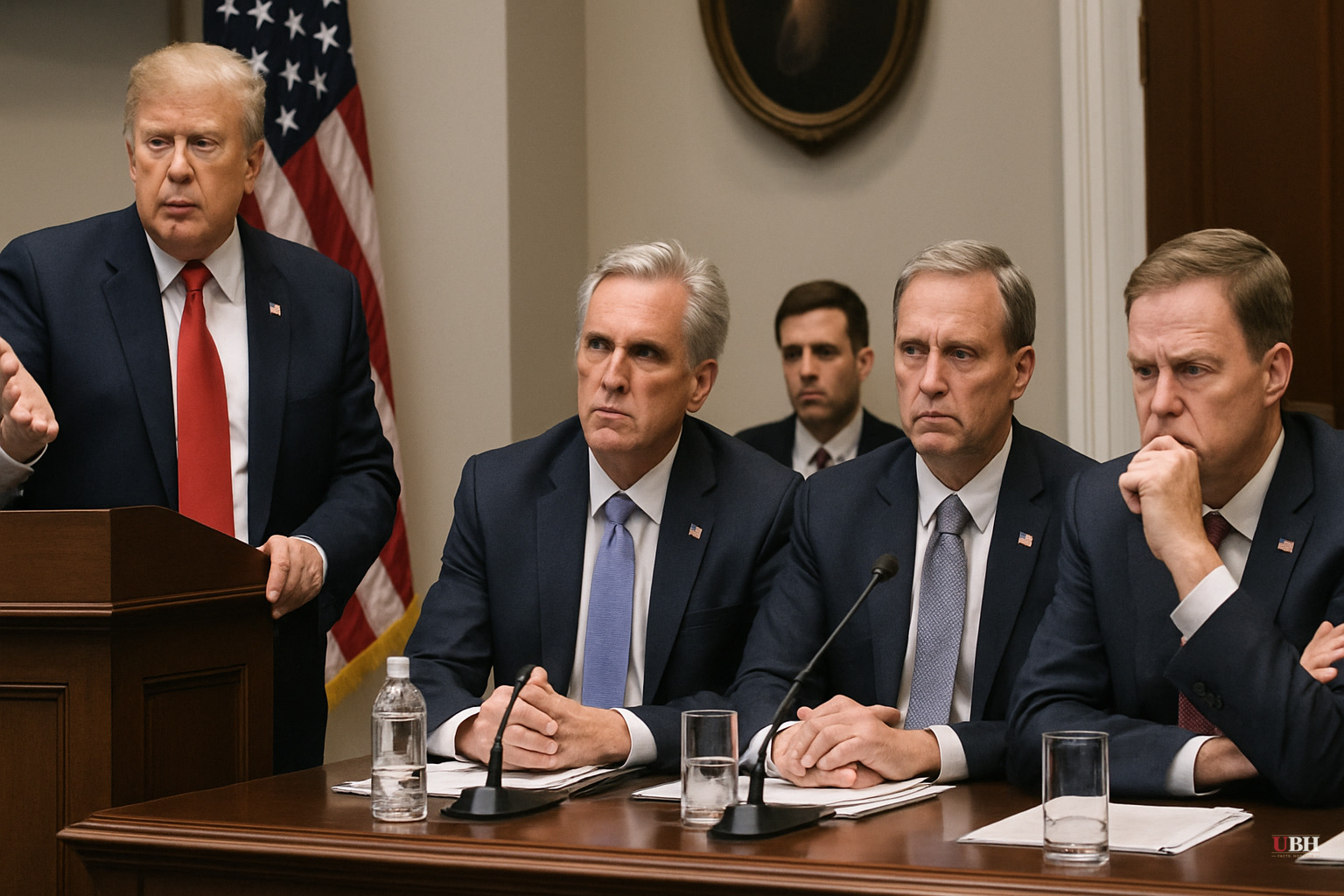
The Bill That Can't Get Out of Its Own Way
Republicans hold the House, the Senate, and the White House. They have everything they need to pass a budget. And they still can't do it.
As of June 11, 2026, the GOP's signature reconciliation package — the legislation meant to extend Trump's 2017 tax cuts, reshape Medicaid, raise the debt ceiling, and fund border and defense priorities — remains stuck in the House, according to ongoing reporting from multiple outlets including AP News. The internal war has been grinding for weeks.
What the Fight Is Actually About
This isn't complicated. There are roughly three camps inside the House Republican conference.
Camp One: The House Freedom Caucus hardliners — members like Rep. Chip Roy of Texas — who want steeper spending cuts and are threatening to vote no if the bill doesn't go far enough. They ran on fiscal responsibility, and they mean it. Roy has been publicly explicit: the numbers don't add up without real cuts.
Camp Two: Moderates from blue-leaning districts, particularly members from New York and California, who are protecting the SALT (State and Local Tax) deduction cap. They want it raised. They represent constituents who feel it directly. Without them, the bill also dies.
Camp Three: Senators signaling that whatever the House passes, they'll rewrite it anyway. That's a guarantee of a second round of this exact same fight.
Speaker Mike Johnson is trying to thread a needle that may not have a thread.
What's At Stake
The reconciliation bill is the vehicle for extending the 2017 Tax Cuts and Jobs Act, which is set to expire. If it doesn't pass, most American households — including middle-class ones — face automatic tax increases.
Beyond taxes, the bill is expected to include Medicaid work requirements, which the hardliners want and the moderates fear will cost them their seats. It would also address the debt ceiling, which hits a hard deadline. Failure to raise it isn't a policy disagreement — it's a financial crisis.
The Strongest Case for the Holdouts
The hardliners deserve a fair hearing here. Their core argument is that passing a bill with cosmetic cuts while adding trillions to the debt is worse than nothing — it gives cover to fiscal irresponsibility while doing real damage to the deficit long-term. The national debt is north of $36 trillion, and nobody serious disputes that trajectory is unsustainable.
Freedom Caucus members like Roy aren't wrong that Republican majorities have a history of promising cuts, delivering none, and then being shocked when their base stops trusting them. That history is real.
The Procedural Reality
The procedural pressure is real. Reconciliation requires only a simple Senate majority — 51 votes — which is why Republicans are using it. If they can't hold 218 House votes, that advantage evaporates entirely. They don't get a mulligan.
The SALT fight is genuinely about blue-state Republicans representing constituents who pay some of the highest state and local taxes in the country. Dismissing it as obstruction misses why the cap was controversial when it was created in 2017.
The deadline pressure is severe. Kicking this past summer means colliding with a debt ceiling cliff and an election cycle that makes every vote more politically toxic.
No Investigation, No Scandal — Just Bad Math and Competing Interests
This isn't a corruption story. No charges have been filed. No one is accused of wrongdoing. This is a governing failure of a different, more mundane kind — a party that can't convert a unified government into a legislative win because its factions have genuinely incompatible demands.
What It Means for Regular People
If this bill fails or drags past its deadline, the 2017 tax cuts expire. Withholding goes up. The standard deduction shrinks. The child tax credit drops. These aren't abstractions — they're line items on your paycheck and your April return.
The debt ceiling is a separate timer running in the background. Treasury Secretary Scott Bessent has been using extraordinary measures to keep the government funded. Those measures have limits.
Republicans have the majority. They own this outcome — success or failure. If the bill passes, they get credit. If it collapses, there's nobody else to blame.
Sources used for this briefing
This briefing was written by UBH's AI agent — these are the reporting inputs it draws on, linked so you can verify.


