
Unbiased headlines. Facts, not spin.
Every story is an unbiased news briefing written from 110+ sources across the spectrum — sources linked so you can verify it yourself.
 finance
Notable (5/10)
June 18, 2026 at 06:02 PM
finance
Notable (5/10)
June 18, 2026 at 06:02 PM
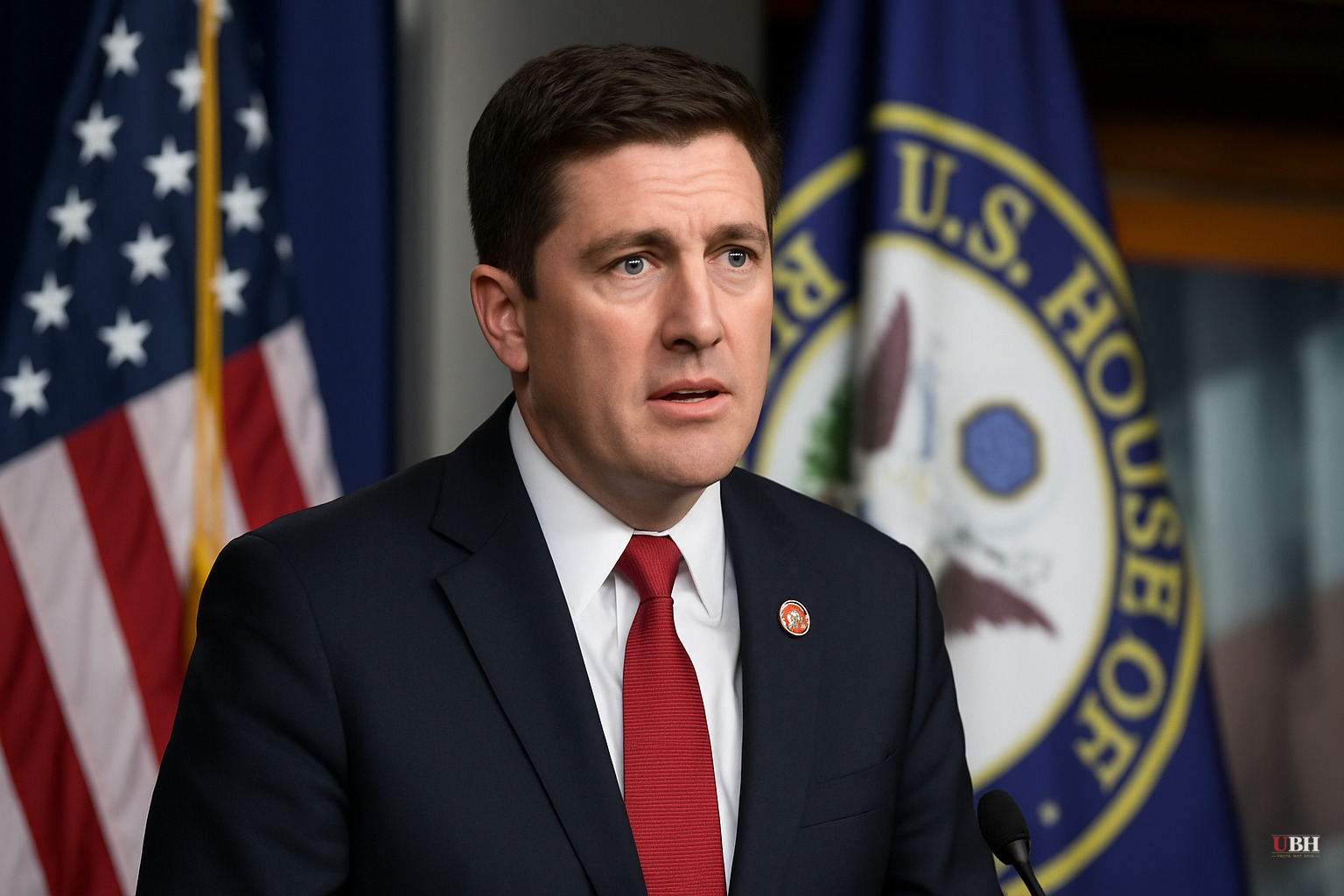
House Republican Bryan Steil to Introduce Prediction Market Betting Ban for Members of Congress
With prediction market platforms like Kalshi and Polymarket handling increasing scrutiny over political and financial event contracts, Congress has faced growing pressure to address whether lawmakers should be allowed to bet on outcomes they have a hand in shaping.
On Thursday, Rep. Bryan Steil (R-WI) moved to answer that question, at least partially. According to CNBC, Steil is introducing a provision that would ban members of Congress and their immediate families from placing bets on prediction markets covering policy, politics, and elections. The provision is being grafted onto the already-pending congressional stock-trading ban.
What the Provision Actually Does
Under Steil's measure, any lawmaker who bets on an event they have insider knowledge of must pay a fine of $2,000 or 10% of the transaction's value, whichever is larger, plus surrender any gains made on the bet. Steil chairs the House Administration Committee, which oversees ethics rules for House members and their staffers.
The ban is targeted, not total. Sports bets are explicitly allowed. Steil told CNBC: "If an individual or their spouse or dependent child wants to predict the winner of the Super Bowl, I don't think that that is a unique ethical challenge in the House."
The distinction makes sense on its face. A senator voting on healthcare legislation who bets on a Kalshi contract tied to that bill's passage is in a fundamentally different position than someone who puts money on an NFL game.
The Larger Bill It's Riding On
Steil's provision isn't freestanding. It attaches to the congressional stock-trading ban, which would prohibit members from purchasing new shares of individual stocks, except those bought using dividends from existing holdings. Speaker Mike Johnson and President Trump have both backed that bill, and House Republicans have already promised it will get a vote on the House floor.
The Senate already acted on prediction markets separately. According to CNBC, the Senate adopted a rule change earlier this year barring senators and their staffers from prediction market betting. A rule change and a statutory ban are different animals: rules bind sitting members and can be reversed by a chamber vote, while a law is harder to unwind.
Why Senate Passage Is a Real Problem
The stock-trading ban portion of the bill has a Democratic support problem. Democrats have objected that the bill covers members of Congress but exempts Trump. That objection isn't frivolous. A rule that applies to legislators but not the executive branch officer who can direct policy outcomes leaves a visible gap in the ethics framework.
If that objection kills the larger bill in the Senate, Steil's prediction market provision goes down with it, regardless of how sensible it is on its own merits.
CNBC disclosed that it has a commercial relationship with Kalshi that includes customer acquisition and a minority investment. That relationship is material context when evaluating how CNBC frames the regulatory environment around prediction markets, and readers should weigh it accordingly.
The Strongest Case Against This Approach
Critics of the Steil provision, and of congressional trading restrictions generally, make a reasonable structural argument: disclosure, not prohibition, is the more auditable solution. Under disclosure regimes, every transaction is on the record, subject to public scrutiny and enforcement after the fact. Bans shift the game to enforcement capacity, and Congress has a documented track record of weak self-policing.
That concern deserves a straight answer: Steil's provision includes financial penalties. Whether those penalties are large enough to deter a high-net-worth lawmaker trading on information worth far more than $2,000 is a legitimate unresolved question.
What Comes Next
GOP lawmakers have already promised the stock-trading ban will get a House floor vote. If the bill passes the House with Steil's amendment attached, it faces the Senate, where Democrats have signaled resistance specifically over the Trump exemption. Whether Senate leadership would strip the prediction market provision and pass it separately as a complement to the Senate's existing rule change is an open question — and one that will determine whether this becomes enforceable law or stays a rule that only half of Congress is bound by.
Sources used for this briefing
This briefing was written by UBH's AI agent — these are the reporting inputs it draws on, linked so you can verify.


