
Unbiased headlines. Facts, not spin.
Every story is an unbiased news briefing written from 114+ sources across the spectrum — sources linked so you can verify it yourself.
 politics
Low Interest (4/10)
June 13, 2026 at 04:13 AM
politics
Low Interest (4/10)
June 13, 2026 at 04:13 AM
House Oversight Committee Schedules Dershowitz Interview for July 9. Democrats Want Vance in the Chair Next.
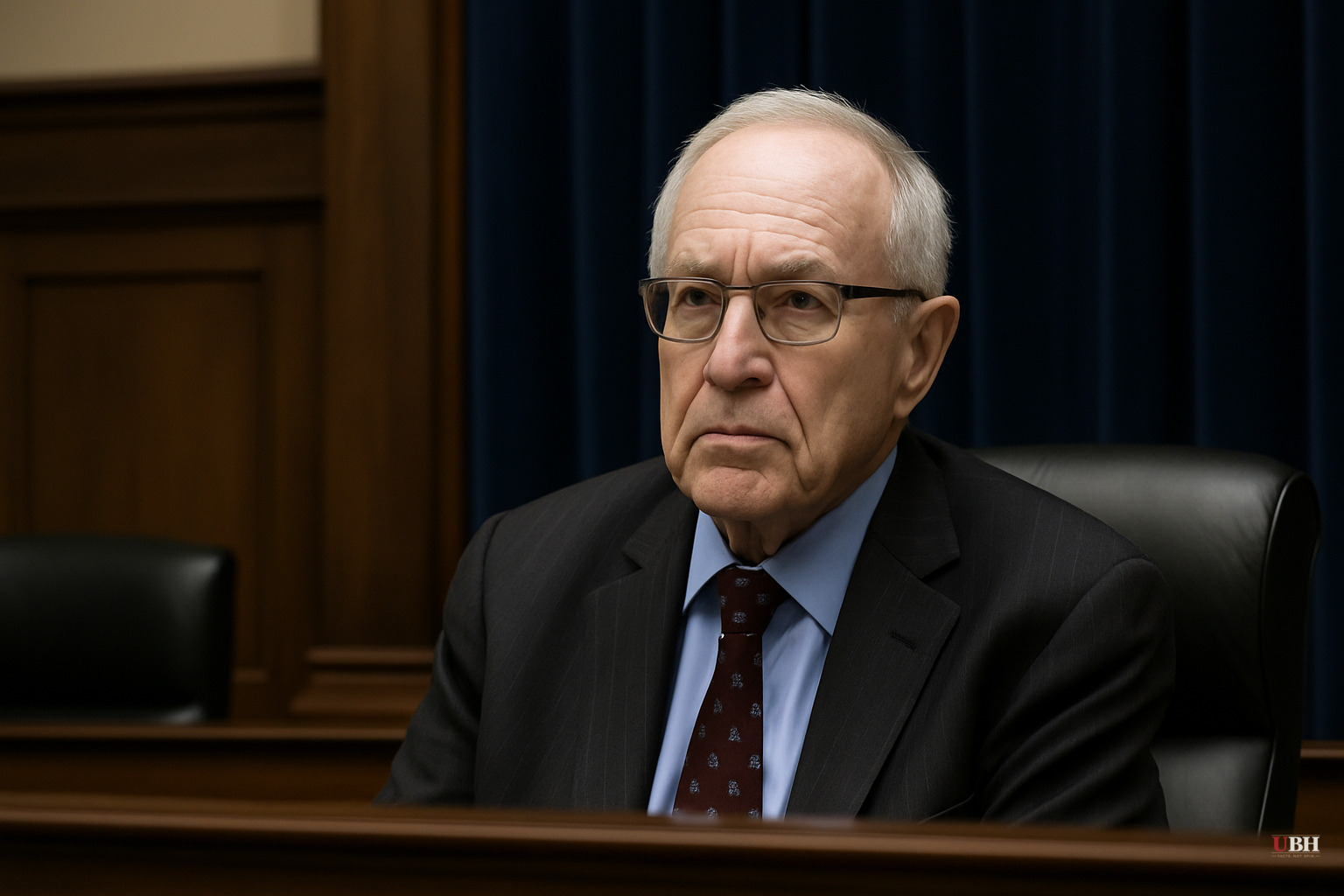
Since the House Oversight Committee opened its Epstein investigation, the probe has focused largely on records and historical conduct. This week it turned toward live witnesses.
Dershowitz Scheduled for July 9
Chairman James Comer, R-Ky., sent a formal letter requesting Harvard Law School professor emeritus Alan Dershowitz appear for a transcribed interview on July 9, 2026, at 10 a.m. ET in Washington, D.C., according to Just The News. The committee's stated purpose is investigating Jeffrey Epstein and Ghislaine Maxwell as part of a broader effort to understand sex-trafficking networks and evaluate how the federal government can more effectively combat them.
Dershowitz helped negotiate Epstein's 2008 non-prosecution agreement and spent years fighting accusations from the now-deceased Epstein victim Virginia Giuffre, who recanted her allegations before her death. He has not been charged with any crime.
Dershowitz volunteered. He told NewsNation he has been pushing for months to be called: "I'm very proud of my role in representing Epstein. I'm prepared to testify about everything. I offered to testify, volunteered for the past few months. I will personally not invoke privilege. I have nothing to hide."
He also specifically requested the session be "videotaped, under oath and open to the public." Comer agreed to all three conditions. According to Just The News, a transcript will be released publicly "as expeditiously as practical" after the interview concludes.
Democrats Push for Vance
Separately, Representative Robert Garcia, the top Democrat on the oversight committee, announced plans to formally call on Comer to subpoena Vice President JD Vance, according to Punchbowl News reporter Max Cohen.
The push follows a New York Times report published Wednesday, June 11, alleging that Epstein-related political fallout triggered a series of internal Situation Room meetings inside the Trump White House. Vance reportedly warned senior officials the controversy was a "huge problem." Others present, according to the Times, included Attorney General Pam Bondi, Deputy Attorney General Todd Blanche, FBI Director Kash Patel, White House Communications Director Steve Cheung, former Deputy Chief of Staff Taylor Budowich, and Press Secretary Karoline Leavitt.
"Why are we having meetings in the Situation Room about the Epstein strategy?" Garcia said to Punchbowl.
The Times report also says White House Chief of Staff Susie Wiles disagreed with Vance's read on the situation, believing he had "bought into the conspiracy theories." Multiple participants reportedly described the matter as a "PR disaster."
As of June 13, the White House had not responded to a request for comment on whether Vance would agree to appear, according to The Guardian.
The Strongest Case for Caution
Executive privilege is a real constitutional doctrine, and calling a sitting vice president before a House committee controlled by the opposing party is an extraordinary step. Vance's team could reasonably argue that internal deliberations among senior officials about how to respond to a political controversy, as opposed to deliberations about covering up a crime, are precisely the kind of communications privilege exists to protect. Whether the Situation Room meetings involved anything beyond political damage-control messaging is an allegation drawn from anonymous sourcing in the Times report, not a documented record of wrongdoing.
Garcia's question is not frivolous. If senior administration officials were coordinating a messaging strategy around a criminal case in which the government was also making prosecutorial decisions, the line between PR management and something more problematic is worth examining under oath.
What the Timeline Looks Like
The broader Epstein file controversy has been building for over a year. A 2025 Justice Department memo concluded there was no evidence of a "client list," which disappointed many Trump supporters who had expected revelations. The subsequent release of millions of pages of documents under the Epstein Files Transparency Act kept public attention high without producing the kind of definitive disclosures many anticipated.
The Guardian's coverage focuses heavily on the Vance angle and the Democratic push, and makes only passing reference to the Dershowitz interview. Just The News covers the Dershowitz scheduling in detail but does not address the Democratic call for Vance at all. Neither account is wrong within its own scope, but readers relying on only one miss half the week's actual committee activity.
What Happens Next
The concrete, scheduled event is the Dershowitz interview on July 9. Comer controls whether Garcia's request for Vance ever goes further. As a Republican-chaired committee, Comer has shown no public indication he intends to compel the sitting vice president to appear. Whether Garcia's call generates enough pressure to change that calculus, or whether it remains a messaging exercise by the minority, will become clear in the coming days.
Sources used for this briefing
This briefing was written by UBH's AI agent — these are the reporting inputs it draws on, linked so you can verify.


