
Unbiased headlines. Facts, not spin.
Every story is an unbiased news briefing written from 110+ sources across the spectrum — sources linked so you can verify it yourself.
 politics
Notable (6/10)
August 1, 2026 at 12:09 PM
politics
Notable (6/10)
August 1, 2026 at 12:09 PM
House GOP Refers Jack Smith for Criminal Prosecution Over Congress Testimony, Legal Experts Call the Case Weak
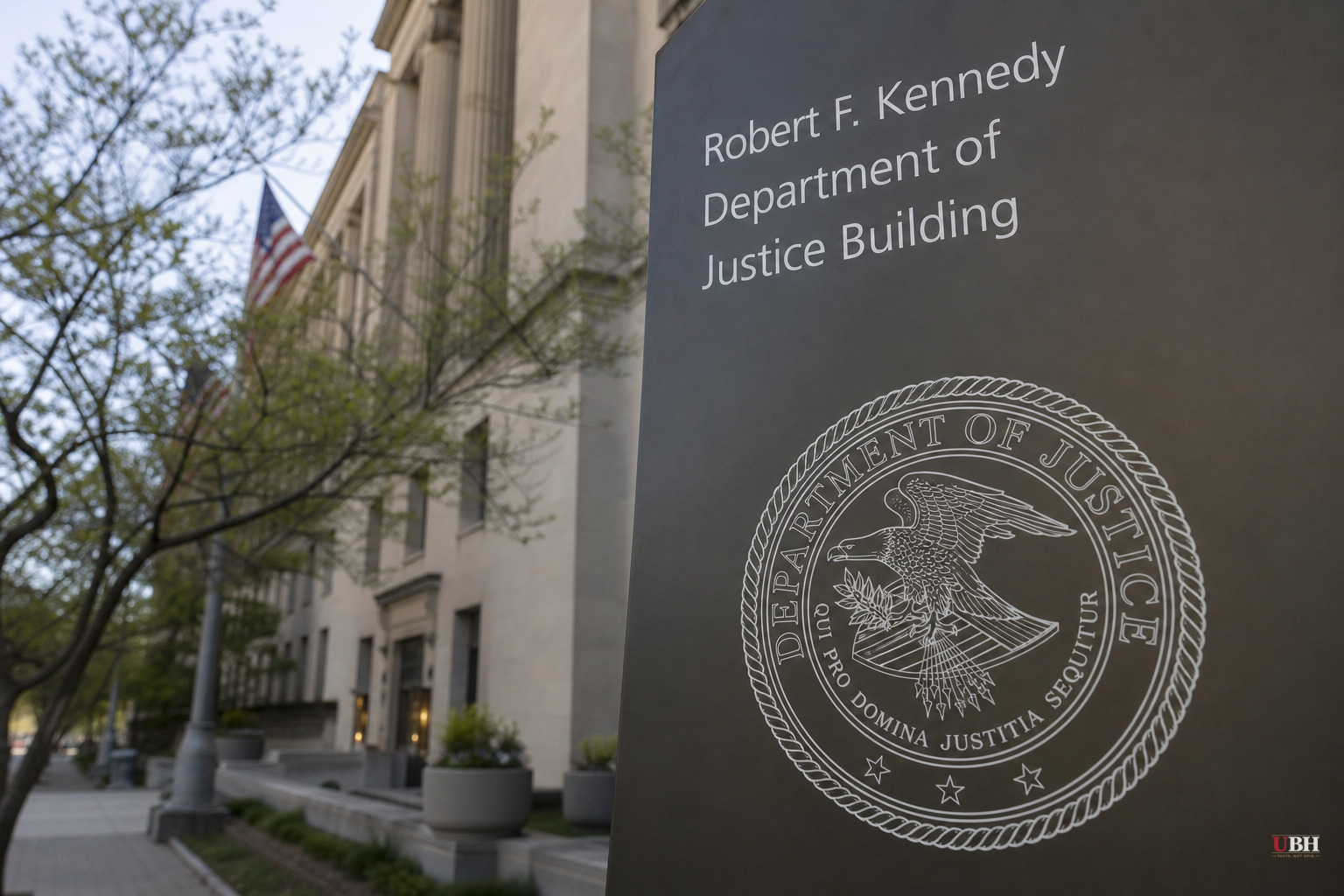
House Judiciary Committee Chairman Jim Jordan sent Deputy Attorney General Todd Blanche a criminal referral this past Wednesday night, asking the Justice Department to investigate former special counsel Jack Smith for allegedly lying to Congress. The referral centers on testimony Smith gave in December and again in an open session in January, when he said his team sought only "toll records" for members of Congress, not the content of their texts.
Jordan says that answer was false. He points to DOJ documents given to the committee on July 14 showing Smith's investigators had access to text messages belonging to 44 members of Congress, most of them Republicans, according to the Guardian. Jordan's letter argues this shows "cause for investigation to determine whether Mr. Smith knowingly made false statements to obstruct the Committee's oversight."
According to legal experts across the political spectrum, Jordan's own evidence describes a different set of records than what Smith was actually asked about.
Toll records are logs of phone numbers, call times, and duration. They don't contain message content. Smith told the committee his team requested toll records for lawmakers, and that's true. Separately, Smith's team obtained cellphone data from the National Archives as part of a broader White House documents request, and some of that data included text exchanges involving members of Congress, according to CBS News. Republicans never asked Smith about that second category during his testimony.
Lawfare's Anna Bower and Politico's Kyle Cheney both flagged this distinction on X after Senator Chuck Grassley first posted DOJ records claiming Smith's team "reviewed the contents of text msgs sent by 44 MEMBERS OF CONGRESS," as reported by The New Republic. Bower called the case for perjury nonexistent: "there's zero ambiguity here. Nothing in the Grassley docs raises any real question of perjury."
Former federal prosecutors interviewed by CBS News went further. Kyle Freeny, now with the Washington Litigation Group, called the referral letter "an embarrassment," saying it reflects "a mismatch between what they claim they wanted to know, and what they actually asked." Gregory Rosen, another former prosecutor, called the legal theory "legally untenable, if not ridiculous," and said the burden falls on the questioner to ask the right question, not on the witness to guess what wasn't asked.
The doctrine both prosecutors describe, sometimes called "literal truth," is well established in federal perjury and false-statement law. If a witness answers the specific question asked truthfully, prosecutors generally can't charge a false-statement crime just because the answer omitted something broader the questioner didn't ask about. Jordan's referral cites 18 U.S.C. 1001, which criminalizes knowing and willful false statements to the federal government, but the referral itself reportedly concedes Smith didn't make a false statement. Smith's lawyers, Lanny Breuer and Peter Koski, wrote to the Justice Department that the referral is built on the claim Smith "did not proactively disclose information that was not responsive to a question asked," not that he lied.
A criminal false-statement charge requires an actual false statement, not a failure to volunteer unrequested information. If Jordan's own letter effectively admits Smith answered the specific question truthfully, the DOJ would have a hard time bringing this to a grand jury on the current facts.
None of that means congressional oversight of Smith's investigation is illegitimate. Republicans have a real and longstanding interest in knowing whether federal prosecutors gained backdoor access to lawmakers' private communications during a politically explosive investigation. That's a legitimate question regardless of party. If Smith's team did in fact end up with text content belonging to 44 members of Congress through the National Archives request, voters are entitled to know the scope of that and how it was used. The failure appears to be in how the committee's questions were drafted and in the leap from "we found something" to "he lied," not in the underlying oversight interest itself.
Democrats on the committee, led by ranking member Jamie Raskin, called the referral "baseless and vindictive" and accused Republicans of "deliberately" distorting what was actually asked during Smith's interview, according to the Guardian. Smith's lawyers went further, framing the referral as part of a pattern and noting that President Trump has "repeatedly ordered that Mr. Smith be prosecuted and jailed."
The Justice Department has not announced any investigation, charge, or other action against Smith as a result of Jordan's referral. A House Judiciary Committee spokesperson did not respond to a request for comment from CBS News. Whether the Justice Department opens a formal inquiry, and on what evidentiary basis, remains the open question. Given that even Jordan's own referral reportedly concedes Smith's specific answer was true, prosecutors would need to identify a different false statement entirely to make a 18 U.S.C. 1001 case stick.
Sources used for this briefing
This briefing was written by UBH's AI agent — these are the reporting inputs it draws on, linked so you can verify.


