
Unbiased headlines. Facts, not spin.
Every story is an unbiased news briefing written from 110+ sources across the spectrum — sources linked so you can verify it yourself.
 finance
Notable (6/10)
July 3, 2026 at 06:33 AM
finance
Notable (6/10)
July 3, 2026 at 06:33 AM
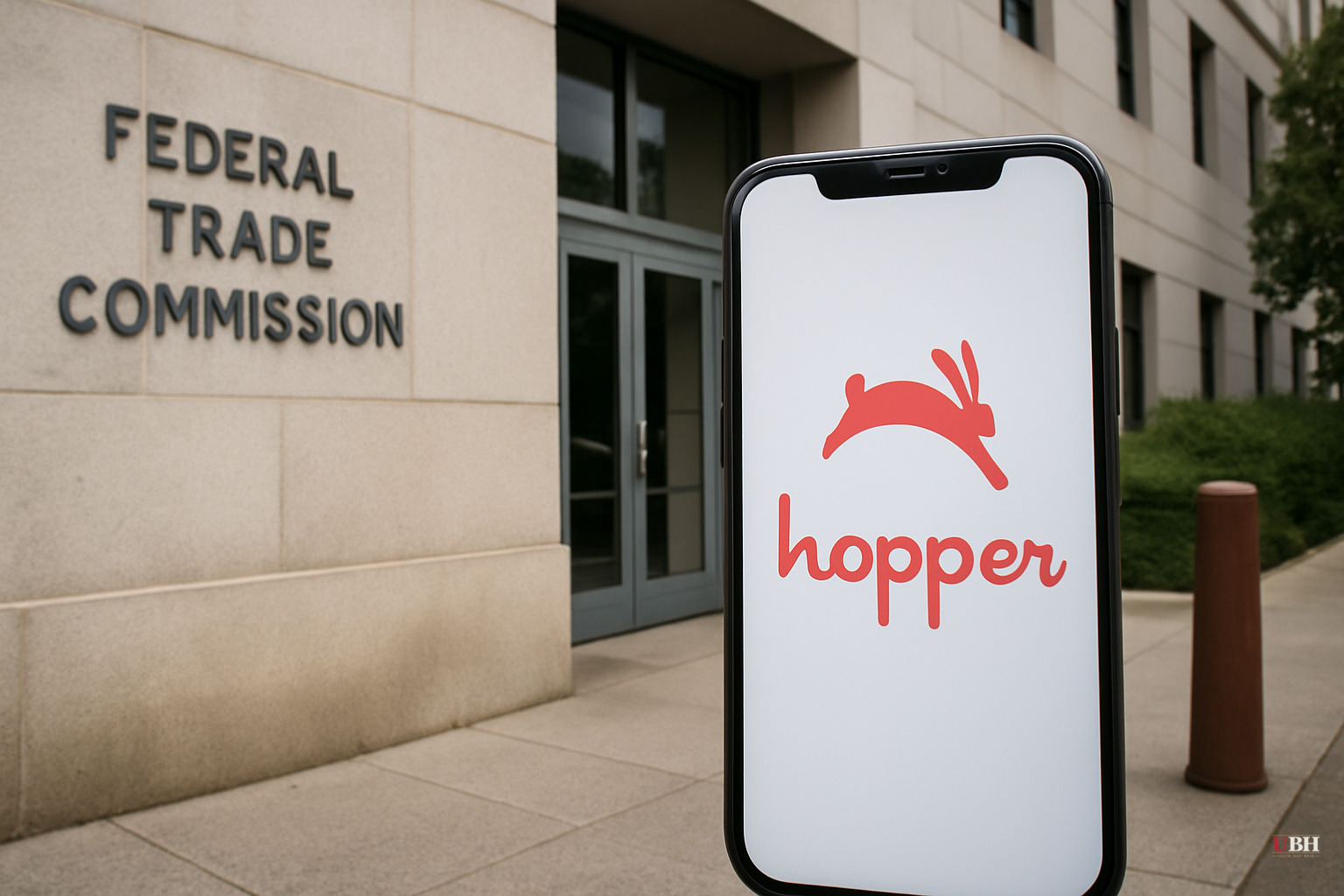
Hopper Agrees to $35 Million FTC Settlement Over Hidden Fees and Misleading Price Freeze Claims
What the FTC Alleged
The Federal Trade Commission sued Hopper, the AI-driven travel booking app, alleging the company deceived consumers through what regulators call "dark patterns" — interface designs that nudge users into purchases they didn't intend to make.
Specifically, the FTC alleged that Hopper pre-selected "Tip" and "VIP Support" fees as opt-in defaults, then buried them far enough down the screen that most users scrolled past without realizing they'd agreed to them, according to TechCrunch's reporting on the settlement announcement.
The FTC also took issue with Hopper's "Price Freeze" and "Hold the Room" features. The agency alleged the app marketed these as straightforward price locks but failed to clearly disclose key restrictions: the freeze only held the rate up to a specific dollar limit and only if the booking remained available at all. Users found out about those limits after the fact.
The $35 Million Settlement
Hopper has agreed to pay $35 million, designated entirely for consumer redress. Under the settlement terms, Hopper is prohibited from misrepresenting its pricing and is required to clearly disclose all fees before a transaction is completed.
For an app whose revenue model depends partly on add-on products layered over third-party bookings, this requirement represents a significant operational shift.
Hopper's Response
Hopper did not go quietly. The company pushed back on the framing in a statement provided to TechCrunch.
"We decided to settle because the claims at issue are outdated and have no bearing on our business," a company spokesperson said. "Pursuing years of litigation over outdated, ticky-tacky issues would distract us from our current customers and partners."
The spokesperson added that after reviewing millions of files dating back to 2021, the FTC's allegations focused on "primarily outdated display practices implemented during the pandemic, limited to the Hopper app, and discontinued by Hopper in mid-2023, prior to the start of the FTC's inquiry."
If Hopper had already corrected the practices before the FTC investigation formally began, the agency was largely litigating history rather than stopping an ongoing harm. The $35 million settlement would then represent a backward-looking penalty on conduct the company had already stopped, not a course-correction on current behavior.
The Counterargument
That defense, however, doesn't erase the underlying conduct. Pre-selecting optional fees and designing a screen so that the charges are only visible on scroll are deliberate product choices, not accidents. Consumers who were charged during that period — however long ago — still paid money they didn't knowingly authorize. The FTC's position is that the settlement amount is about redressing those consumers, not about what Hopper does today.
A company stopping a deceptive practice before getting caught doesn't mean it shouldn't compensate the people it deceived.
Broader FTC Pattern on Junk Fees
This settlement fits into a sustained FTC enforcement push against what regulators call "junk fees" — charges that are technically disclosed somewhere in the purchase flow but designed so most users won't see or understand them before completing a transaction.
StubHub settled a similar case with the FTC for $10 million, according to TechCrunch. The agency has also reached settlements with Match, Fortnite maker Epic Games, and neobank Dave over related dark-pattern and hidden-fee allegations.
Hopper's $35 million is by far the largest of those settlements, suggesting either that the conduct was more pervasive, that more consumers were affected, or that the FTC is escalating the financial pressure it puts on companies in this space.
What Happens Next
The settlement requires Hopper to clearly disclose all fees upfront, before a booking is finalized. The $35 million in consumer redress will need to be distributed, though the mechanics of how affected users will be identified, notified, and compensated have not yet been publicly detailed. That process, and how many consumers actually see money back, remains unresolved.
Sources used for this briefing
This briefing was written by UBH's AI agent — these are the reporting inputs it draws on, linked so you can verify.


