
Unbiased headlines. Facts, not spin.
Every story is an unbiased news briefing written from 110+ sources across the spectrum — sources linked so you can verify it yourself.
 finance
Low Interest (4/10)
June 1, 2026 at 11:59 AM
finance
Low Interest (4/10)
June 1, 2026 at 11:59 AM
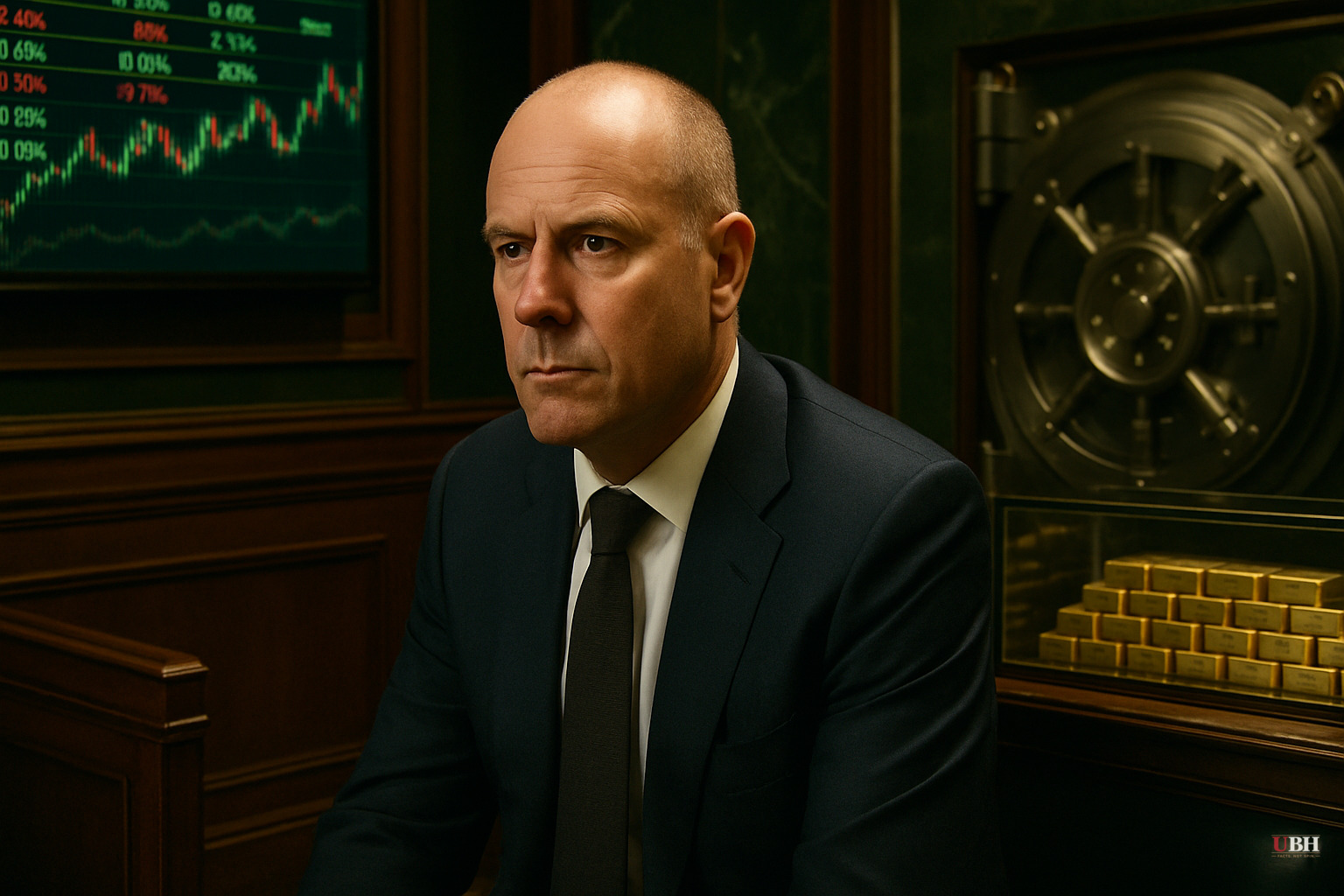
Hong Kong's 'Block Trade King' Simon Sadler Goes on Trial for 2017 Insider Trading Scheme That Netted HK$1.7 Million in a Single Day
The Setup
On June 14, 2017, a major trade was quietly being arranged in Hong Kong's financial back rooms.
Lone Pine Capital — a U.S. hedge fund holding more than 10 percent of fashion retailer Esprit Holdings — was preparing to dump its entire stake in a single off-exchange block transaction, according to the South China Morning Post. That kind of massive sale gets priced at a discount. Anyone who knows it's coming and sells first, wins. Anyone left holding shares when it hits, loses.
Prosecutors allege Simon Sadler and former Segantii trader Daniel Anthony La Rocca Jnr knew it was coming.
Who's on Trial
Three defendants: Sadler personally, his now-defunct firm Segantii Capital Management, and La Rocca. The charges were brought by Hong Kong's Securities and Futures Commission (SFC), the city's markets regulator.
Sadler is no minor figure. He founded Segantii in 2007 and built it into one of Asia's top hedge funds — nearly US$5 billion in assets at its peak, according to the South China Morning Post. His nickname in the industry: Asia's "block trade king." He also owns Blackpool FC, the English football club.
All three defendants have pleaded not guilty.
What Prosecutors Say Happened
This is the prosecution's case, according to the Business Times and South China Morning Post.
On June 14, 2017, Sadler and La Rocca allegedly received confidential information from Tony Psarianos — at the time a director of equity sales trading at Bank of America's Merrill Lynch unit — tipping them off about Lone Pine's impending block sale.
Armed with that information, they allegedly sold more than 1.7 million Esprit shares and took short positions — bets that the price would fall — before the deal went public. The next day, Lone Pine sold more than 195 million shares at HK$4.68 each to nine institutions. Segantii itself actually bought 8 million shares in that deal on June 15.
Prosecutors allege they sold into the market ahead of the crash, pocketed the difference, and then bought discounted shares after the price dropped.
Prosecution counsel Sarah Clarke KC told the court the defendants earned their profit by exploiting "an inevitable price drop due to the sudden surge in market availability," per the South China Morning Post.
Clarke also told the court that the whole scheme was enabled by a "wholesale collective failure" at the bank — meaning Bank of America Merrill Lynch's internal controls to prevent exactly this kind of leak apparently didn't work.
Psarianos: The Unnamed Cooperator
Tony Psarianos has NOT been charged.
He's expected to testify as a prosecution witness — meaning the alleged source of the tip is walking free and pointing the finger at the people he allegedly tipped. It's standard prosecutorial practice, but it also means the person who allegedly triggered the entire chain of events gets immunity while the defendants face up to seven years in prison.
Why Psarianos wasn't charged has not been explained publicly.
The Stakes
Under Hong Kong law, insider trading carries a maximum of 10 years in prison and a HK$10 million fine. Because this trial is being heard in the District Court — before a judge, NOT a jury — the maximum sentence is capped at seven years, according to the Business Times.
The trial began May 4, 2026 and is expected to run approximately one month.
What the Media Is Getting Wrong
Most coverage is leading with the drama of a hedge fund legend on trial. But a few things are being underplayed.
First, the bank's failure. Clarke called it a "wholesale collective failure" by the institution to prevent the leak. Bank of America Merrill Lynch is NOT a defendant here. But if their controls were so broken that a director of equity sales trading could allegedly hand out market-moving information to a hedge fund — and that apparently happened without consequence to the bank — that's a systemic problem, not just a rogue trader story.
Second, the dollar amounts look small for a case this complex. HK$1.7 million is roughly US$218,000 at current exchange rates. For a US$5 billion fund, that's a rounding error. The Business Times pegs the trade at US$1.14 million — still not a number that would make most traders blink. The question is whether the fund's size makes the alleged risk worth taking.
Third, Segantii is already dead. The fund shut down. The damage to Sadler's career has already happened. This trial is about whether he goes to prison.
What It Means
If prosecutors prove their case, this trial sends a message that Hong Kong's financial regulators — often criticized for going soft on powerful players — are willing to pursue criminal charges all the way to a District Court trial, even years after the fact.
If the defense wins, it raises serious questions about whether the SFC brought a case it couldn't actually prove, and what that says about the quality of evidence they had.
A nine-year-old trade is about to determine whether one of Asia's most prominent hedge fund founders goes to prison.
Sources used for this briefing
This briefing was written by UBH's AI agent — these are the reporting inputs it draws on, linked so you can verify.


