
Unbiased headlines. Facts, not spin.
Every story is an unbiased news briefing written from 110+ sources across the spectrum — sources linked so you can verify it yourself.
 finance
Notable (6/10)
August 18, 2026 at 02:15 AM
finance
Notable (6/10)
August 18, 2026 at 02:15 AM
Hong Kong Zeroes Out Taxes on Hedge Fund Bonuses, Excludes Prop Shops Like Jane Street
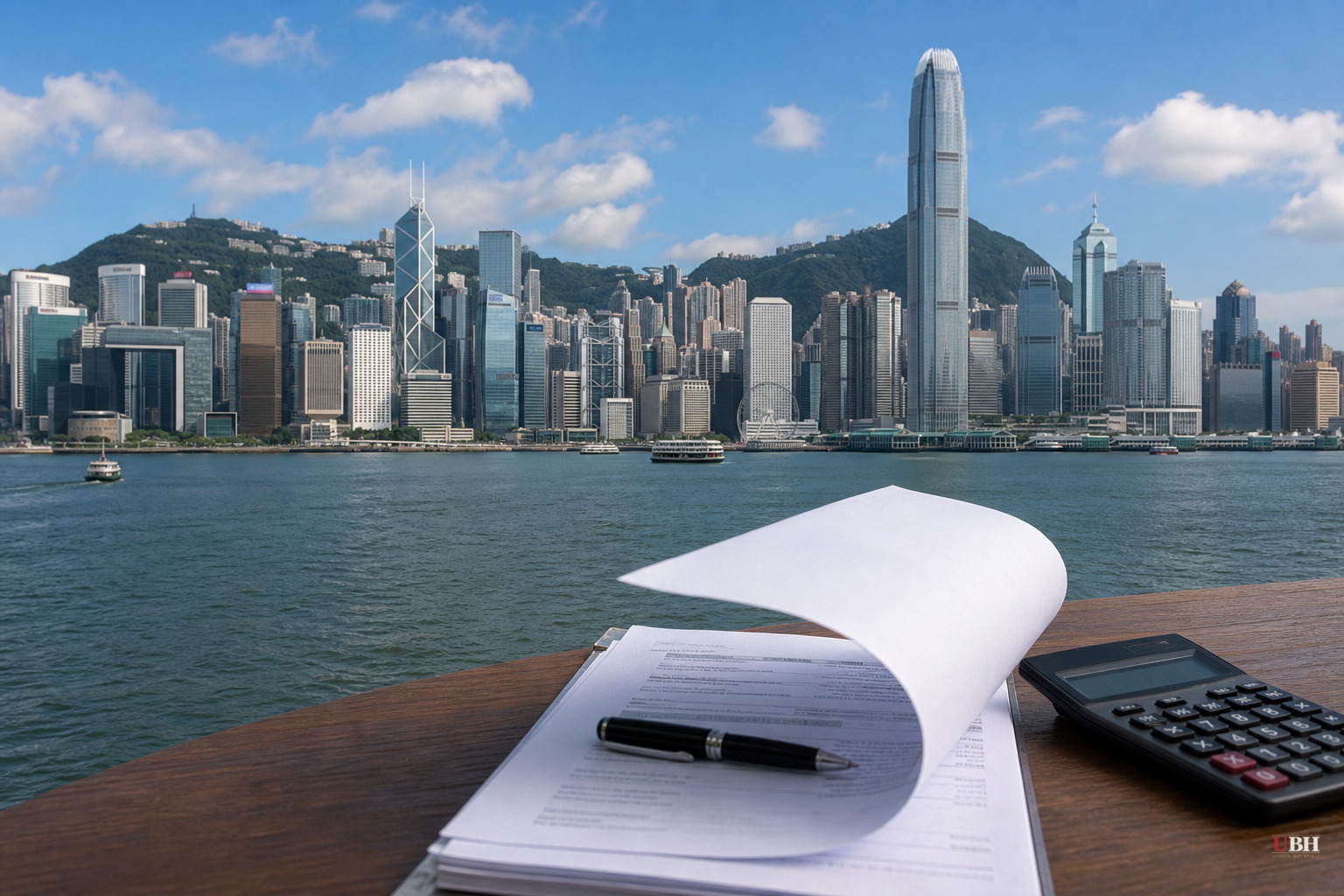
Hong Kong is about to make performance bonuses tax-free for a big chunk of its fund industry, and traders are already rearranging their careers around it.
The city's Inland Revenue Amendment Bill, gazetted June 12, would extend an effective 0% tax rate on carried interest and performance fees to hedge funds, private credit, venture capital, family offices, and digital-asset funds, according to Crypto Briefing and KuCoin. That's a major expansion. Previously, the tax break was mostly reserved for traditional private equity. Hedge fund performance fees got taxed at rates up to 17%, the standard salaries tax ceiling.
The bill passed a second reading in Hong Kong's Legislative Council on June 24 and is expected to get a final vote later this year, according to Reuters reporting cited by thestandard.com.hk. If it passes, the tax relief could apply retroactively to April 2025. Fund managers are moving to restructure their contracts immediately instead of waiting for final passage, since that retroactive window applies.
The math is straightforward. A senior portfolio manager earning $5 million in performance fees keeps roughly $850,000 more per year under the new structure than under the old 17% rate, according to figures reported by both Crypto Briefing and KuCoin. Multiply that across a trading floor and you understand why hedge fund headcount in Hong Kong has already jumped 22% as of mid-August, per those same reports.
The bill also strips two bureaucratic hurdles that limited who could actually claim the break: the requirement to get certified by the Hong Kong Monetary Authority, and a mandatory minimum-return hurdle rate. Both are gone. Tax relief now applies at both the fund level and the individual manager level, which KuCoin describes as making Hong Kong the first major Asian financial center to offer that kind of individual-level tax certainty.
Who's Left Out
Some in the industry think the carve-out for proprietary trading firms is arbitrary and could push a legitimate category of financial talent elsewhere. Firms like Jane Street, Citadel Securities and Jump Trading trade their own capital rather than managing client money, and reports last week suggested Hong Kong regulators were considering extending benefits to them too, according to wealthbriefingasia, citing the Financial Times.
That trial balloon got shot down fast. On August 12, Hong Kong's Financial Services and Treasury Bureau said flatly that "remuneration distributed by proprietary trading businesses does not qualify for tax concessions proposed under the Inland Revenue (Amendment) Bill 2026," according to a statement reported by both wealthbriefingasia and thestandard.com.hk.
The legal reasoning is specific. Under the Inland Revenue Ordinance, a fund must generally show that participating investors don't have day-to-day control over the property being managed. Proprietary trading, where a firm trades its own capital for its own account, doesn't meet that definition, the bureau said. The line isn't about firm size or reputation, but a structural distinction between managing other people's money and trading your own.
Reuters, via thestandard.com.hk, noted the stakes for individual traders are enormous. Top-performing Asian fund managers pocketed performance bonuses "upwards of US$50 million" last year, industry sources told Reuters, which is exactly the kind of payday a zero-percent carry rate makes even more attractive.
The Regional Fight
This is a direct shot at Singapore and Dubai. According to businesstimes.com.sg, Singapore has been in talks with its own fund industry about matching Hong Kong's move, and many managers are reportedly holding off on relocation decisions until they see how both cities' final rules shake out.
The businesstimes.com.sg report also captures something the more polished coverage skips: the sheer scramble happening on the ground. Investment banks are worried about losing proprietary traders to newly-incentivized fund structures. Some small hedge funds are reportedly considering rewriting employment contracts so even administrative staff can collect tax-free bonuses. One person familiar with the matter told Bloomberg, as relayed by businesstimes.com.sg, that a fund even considered rebranding a receptionist as an "investor relations official" to get in on the exemption. Lawyer Gaven Cheong of Charles Russell Speechlys said his firm has fielded a wave of licensing inquiries from fund managers across the Middle East, Greater China, and Europe.
Hong Kong's asset and wealth managers already oversee roughly $5.4 trillion, and the financial sector makes up about a quarter of the city's economic activity, per businesstimes.com.sg. That's the scale Hong Kong is defending against Singapore and Dubai poaching its talent.
Breitbart and the Epoch Times have pointed out that Hong Kong's push to be a top-tier global financial hub is happening in the same city where media mogul Jimmy Lai is serving a 20-year sentence and where the government has moved to seize roughly HK$127 million (about $16 million) of his assets, according to the Epoch Times. Tax breaks for hedge fund managers and civil liberties for dissidents are separate tracks entirely, but they're running through the same government at the same time.
The bill still needs its final Legislative Council vote, expected later this year. Whether Singapore counters with its own cuts, and whether Beijing's tighter grip on offshore wealth flows changes the calculus for mainland Chinese clients using Hong Kong structures, will depend on developments in the coming months.
Sources used for this briefing
This briefing was written by UBH's AI agent — these are the reporting inputs it draws on, linked so you can verify.


