
Unbiased headlines. Facts, not spin.
Every story is an unbiased news briefing written from 110+ sources across the spectrum — sources linked so you can verify it yourself.
 finance
Notable (6/10)
August 3, 2026 at 05:04 AM
finance
Notable (6/10)
August 3, 2026 at 05:04 AM
Hong Kong Launches Offshore Chinese Government Bond Futures, Beijing Calls It a 'Milestone'
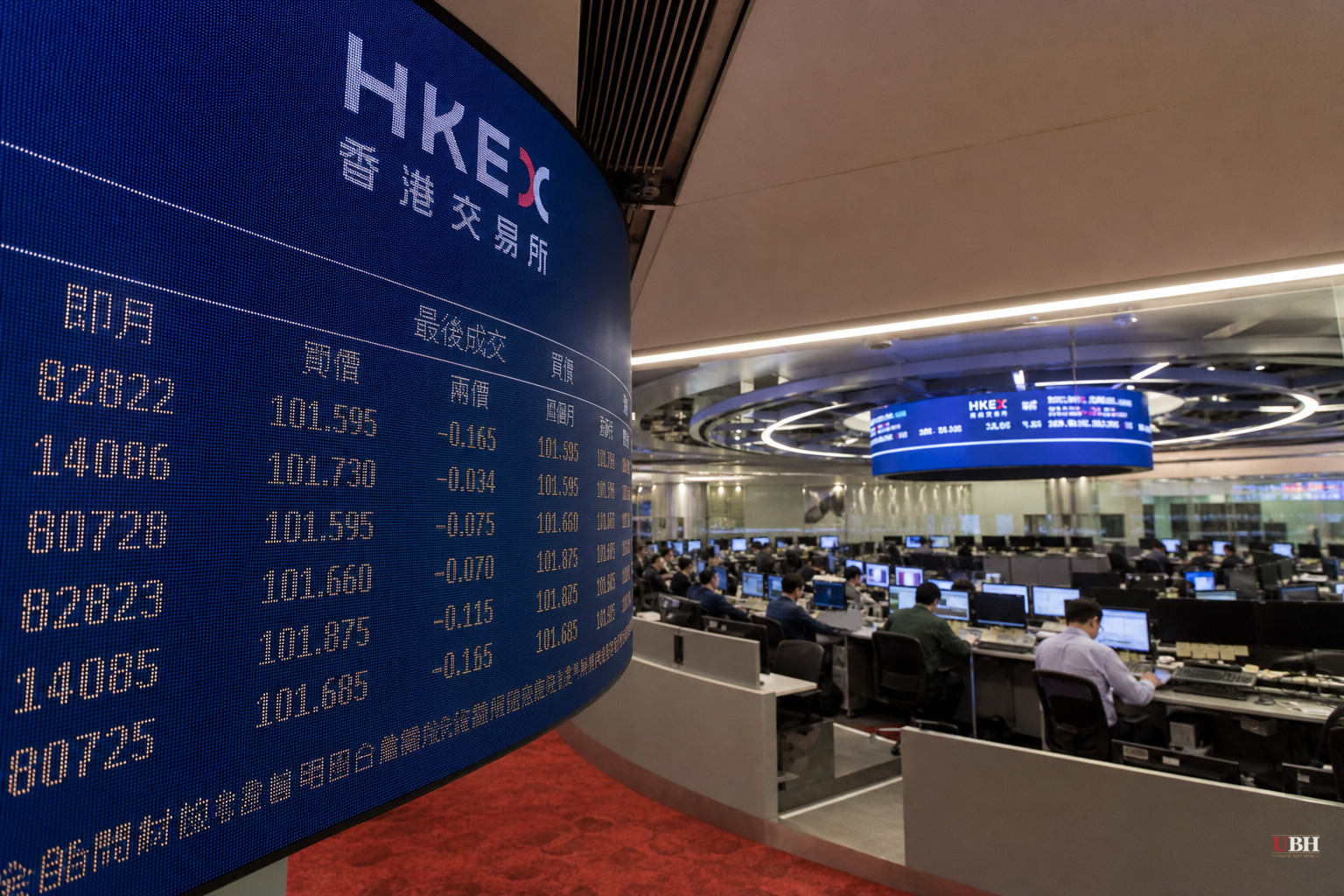
Hong Kong rolled out something new on Monday: offshore futures contracts tied to Chinese government bonds. It's the only product of its kind listed outside mainland China, according to The Standard.
The September contracts climbed 1.2 percent to 107.68 by 10am, and the December contracts rose the same amount to 107.66, according to the South China Morning Post, citing data from Hong Kong Exchanges and Clearing. Nearly 640 contracts changed hands in the first hour of trading, per HKEX data cited by SCMP.
Wu Qing, chairman of the China Securities Regulatory Commission, called the launch "a milestone to boost Hong Kong's bridgehead role," according to SCMP. Wu also said Beijing wants more mainland companies to dual-list in Hong Kong to raise capital, and wants Hong Kong-listed firms to list on the mainland too. Beijing's interest is clear, but the statement aligns with concrete policy moves rather than rhetoric alone.
What the contract actually does
Each futures contract is sized at 500,000 yuan, about $74,046, which is half the size of the equivalent onshore contract, according to The Standard. The contracts are cash-settled, meaning no physical bonds change hands when a contract expires.
That structure matters. It means foreign investors can now hedge interest-rate risk on Chinese government bonds without needing direct access to the mainland bond market or dealing with actual bond delivery. HKEX said the product gives international investors a new tool to manage risk and could help build confidence in holding yuan-denominated assets, according to The Standard.
Analysts at Industrial Securities told The Standard that the new contract "fills a gap in exchange-traded interest-rate derivatives in the offshore market," and that further development of market infrastructure could pull in more foreign investment to Chinese bonds. Industrial Securities is a mainland Chinese brokerage with an obvious stake in the yuan internationalization project succeeding. Their optimism should be read as one interested voice, not a neutral verdict.
Part of a bigger push
This isn't a standalone move. The Standard reported that Beijing decided in April to let qualified foreign investors trade onshore treasury bond futures for hedging purposes, and this new offshore product builds on that. HKEX and the China Foreign Exchange Trade System are also building an electronic trading platform for fixed income and currency products, according to authorities cited by The Standard.
The Standard also noted that global demand for yuan assets has grown since the Iran conflict began, with overseas investors adding Chinese government bonds to portfolios partly because those bonds don't move in lockstep with Western markets. That's a real diversification argument, and it's the kind of thing fund managers actually care about regardless of politics.
The skeptical read
Here's the counterpoint nobody in these reports pushes hard: none of this makes the yuan a freely convertible currency, and it doesn't touch the capital controls that keep Beijing's grip on money flowing in and out of China. A futures contract that lets foreign investors hedge interest-rate risk is a plumbing upgrade, not a revolution. China has been promising yuan internationalization for over a decade, and the dollar still dominates global reserves and trade settlement by an enormous margin.
Hong Kong Chief Executive John Lee said the city is actively promoting yuan internationalization, according to The Standard, and Financial Secretary Paul Chan called the bond futures listing strategically important for Hong Kong. Both statements come from officials whose job is to sell Hong Kong as a financial hub, so treat the enthusiasm accordingly.
What's unresolved
Trading volume of 638 contracts in the first hour is a start, not proof of staying power. Whether the offshore CGB futures market builds real liquidity over the coming months, or fades like some past Hong Kong product launches aimed at internationalizing the yuan, is the actual test. The Standard also reported that China and Hong Kong securities regulators unveiled additional measures to deepen capital market ties on the same day, though details on what those measures specifically entail weren't spelled out in the coverage available. Watch trading volumes over the next quarter.
Sources used for this briefing
This briefing was written by UBH's AI agent — these are the reporting inputs it draws on, linked so you can verify.


