
Unbiased headlines. Facts, not spin.
Every story is an unbiased news briefing written from 110+ sources across the spectrum — sources linked so you can verify it yourself.
 finance
Notable (5/10)
July 31, 2026 at 12:12 AM
finance
Notable (5/10)
July 31, 2026 at 12:12 AM
Hollywood Financier Jason Cloth Indicted on Wire Fraud Charges Over Alleged $100 Million Movie-Funding Scheme
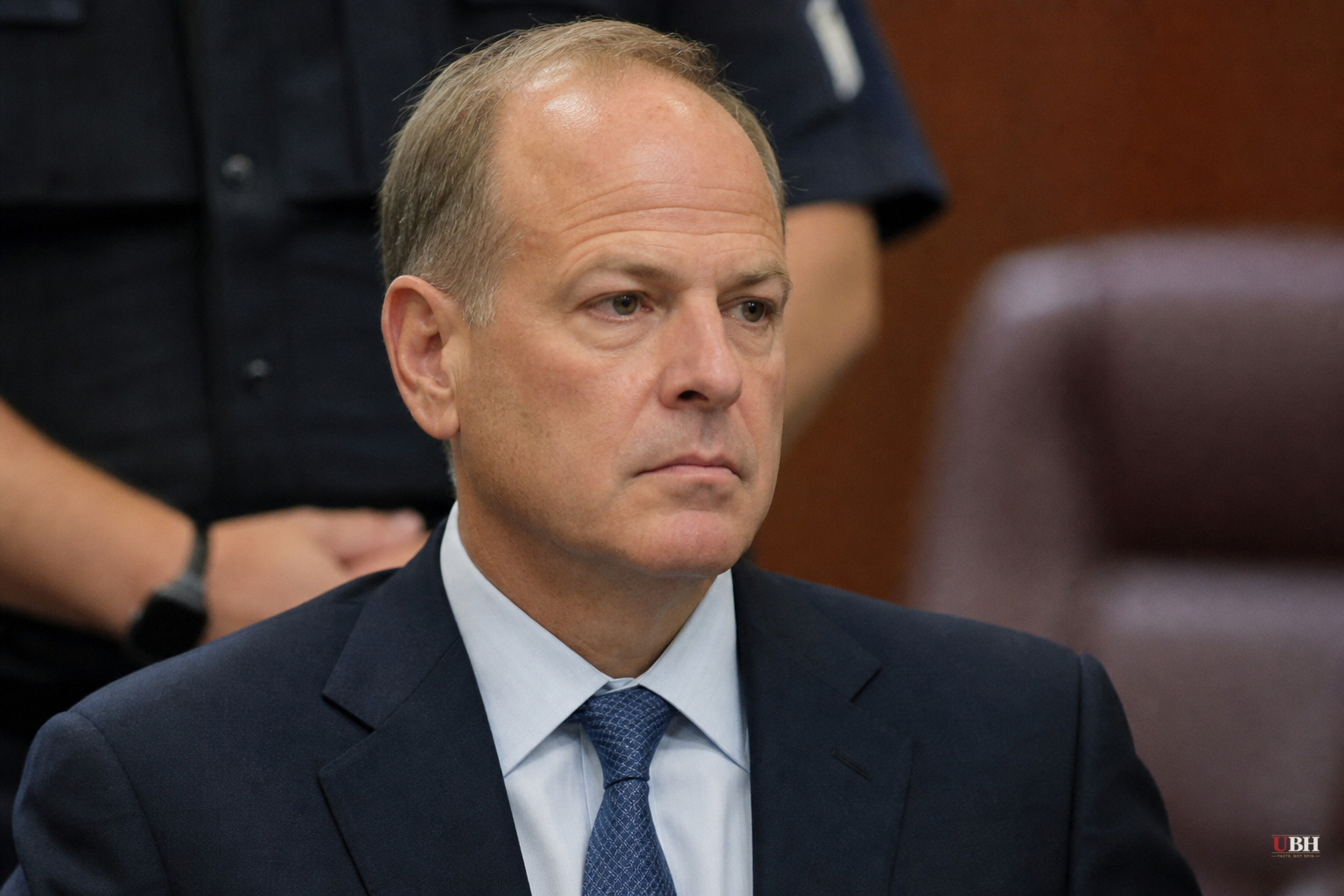
Jason Cloth built a career financing movies audiences actually watched. His company backed "Joker," "Ghostbusters: Afterlife" and dozens of other titles. Now a federal grand jury says he built part of that empire on a lie.
The indictment, unsealed Tuesday in U.S. District Court in Chicago, charges Cloth with seven counts of wire fraud, according to the Associated Press. Each count carries up to 20 years in prison. Cloth, 60, was arrested the same day in Los Angeles and made his first court appearance there. Prosecutors are also seeking forfeiture of more than $12 million from him.
What Prosecutors Allege
The U.S. Attorney's Office for the Northern District of Illinois says Cloth ran a Canada-based company called Creative Wealth Media Finance Corp. Starting in 2019, according to the indictment, he solicited money from investors and told them it would fund specific film or entertainment projects, including a video game platform.
Instead, prosecutors allege, Cloth diverted the money to other uses, among them a Canadian real estate development, and used fresh investor cash to pay off earlier investors. That pattern, robbing new money to cover old obligations, resembles a Ponzi scheme.
The indictment says Cloth pulled in more than $100 million from a single Illinois-based investment adviser, that adviser's clients, and other investors. Prosecutors say he lied to those investors about how much their investments were actually worth.
An indictment is an accusation, not a conviction. Cloth has not been convicted of anything in this criminal matter, and court records reviewed by the Associated Press do not show whether he has retained an attorney for the criminal case. Attorneys who have represented him in related civil lawsuits did not immediately respond to requests for comment from the AP.
This Isn't Cloth's First Legal Fight
Cloth has been fending off allegations of financial misconduct for years, all civil in nature until now. He's named in a class-action lawsuit in Chicago alleging film-funding fraud. A Florida investor sued him claiming his company breached contracts on several entertainment loans. A separate lawsuit from New York investors was filed and later dismissed.
Cloth is actively contesting the Chicago and Florida cases, and both remain ongoing. None of those civil suits have produced a final judgment against him.
North of the border, the Ontario Securities Commission opened an enforcement proceeding against Cloth and his company last year. The regulator's allegations track closely with what federal prosecutors now allege in Chicago. The OSC claims Cloth and Creative Wealth Media raised more than $500 million from investors for film and television projects, then diverted roughly $70 million of it to other purposes, including repaying earlier investors. That regulatory case is also still pending, with no final ruling issued.
The Pattern Across Cases
None of this proves the OSC's allegations or the civil plaintiffs' claims are true just because a federal grand jury separately returned an indictment. Grand juries hear only the prosecution's side before voting to indict. Cloth is entitled to defend himself, and nothing here means a trial jury will find him guilty of wire fraud.
The fact pattern across three separate proceedings—a federal criminal indictment, multiple civil suits, and a foreign securities regulator—describes strikingly similar conduct: investor money moved into unrelated projects, and new investor funds used to cover old obligations.
The FBI's Chicago field office is asking anyone who believes they were a victim of the alleged scheme to fill out an online form and come forward. That points to a broader victim pool than what's already surfaced in the civil suits.
What Happens Next
Cloth's arraignment and any bail conditions will be the next concrete step in the criminal case. Prosecutors will need to prove each of the seven wire fraud counts beyond a reasonable doubt at trial, a far higher bar than the preponderance-of-evidence standard in the civil suits or the OSC's regulatory proceeding.
The Ontario Securities Commission case, still unresolved after more than a year, will also keep moving on its own timeline. Whether Canadian regulators reach a finding before or after the Chicago criminal case concludes remains an open question, and the outcome of one could shape the other.
Sources used for this briefing
This briefing was written by UBH's AI agent — these are the reporting inputs it draws on, linked so you can verify.


