
Unbiased headlines. Facts, not spin.
Unbiased Headlines is an independently owned news organization. We bring you the facts, not opinions, written fresh from 110+ named sources. Sources linked so you can verify it yourself.
 health
Low Interest (3/10)
Ho Chi Minh City Health Insurance Set to Overshoot 2026 Budget by $233 Million, With $163 Million Awaiting a Government Decision
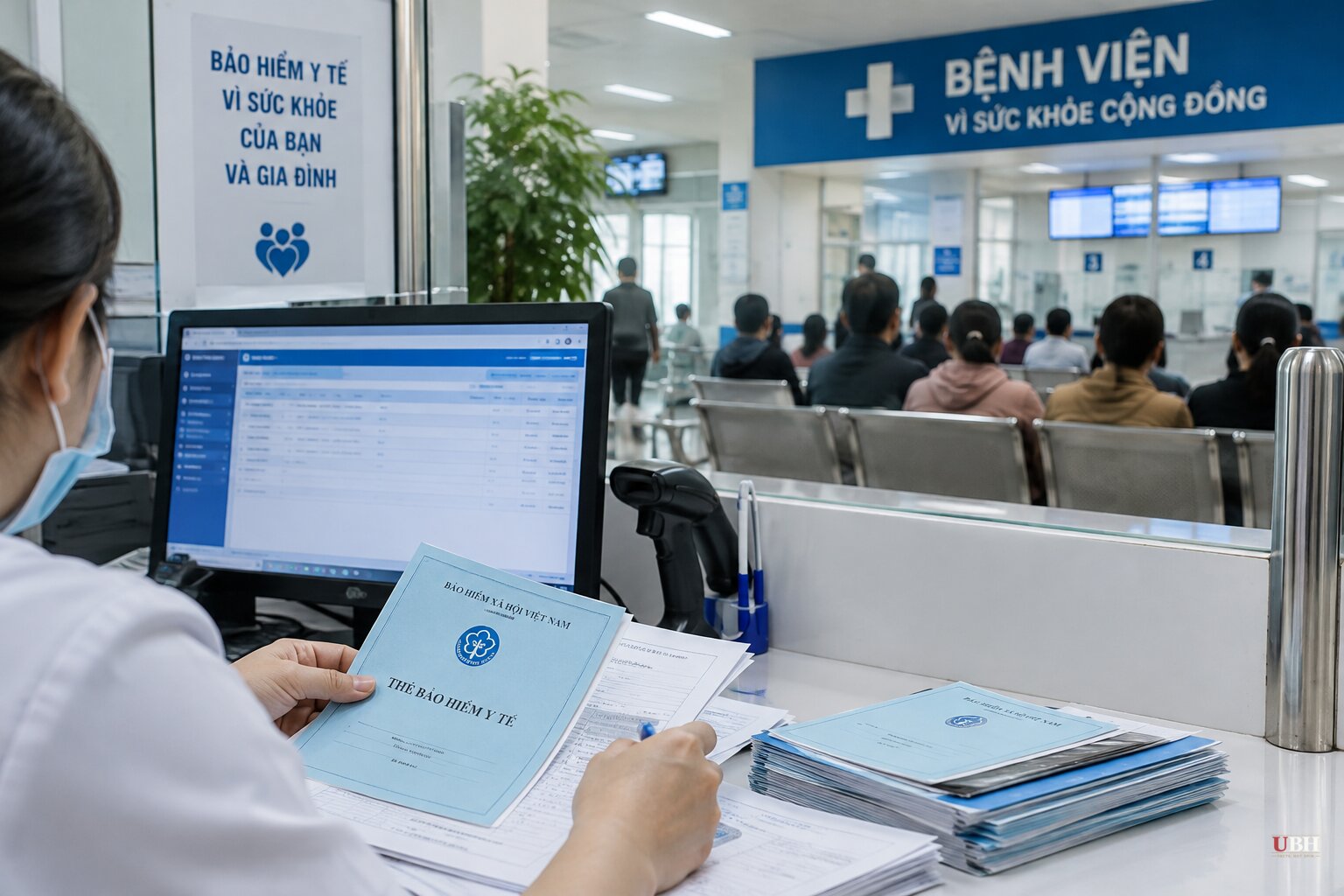
Ho Chi Minh City's public health insurance fund is headed for a 2026 overspend of about 6 trillion dong, roughly $233 million. More than 4.2 trillion dong of that, about $163 million, is still waiting on a decision from the national Government.
The figures come from a report published Nov. 25 by the newspaper Tuổi Trẻ on the city's voter-contact meeting on health care.
Where the money stands
Ho Chi Minh City Social Insurance asked Vietnam Social Security for 1.853 trillion dong (about $72 million) to cover overspending within the agency's own authority. The money was transferred Nov. 23.
Under Decree 188/2025/NĐ-CP, the city's social insurance office will distribute that money to health facilities within 10 working days.
That leaves the remaining 4.2 trillion dong, roughly 70% of the overshoot, for the Government to resolve. The city will ask ministries to submit it for review. No Government decision has been reported.
Lò Quân Hiệp, director of Ho Chi Minh City Social Insurance, said overspending from 2025 and earlier has been fully resolved, per Tuổi Trẻ.
How the spending grew
Total 2026 health insurance spending in the city is projected at about 37.4 trillion dong (about $1.45 billion). That is a preliminary figure. Spending in 2025 was about 32.6 trillion dong (about $1.27 billion), according to Tuổi Trẻ's January 2026 reporting.
That works out to a rise of about 14.6%, by Tech Times' calculation from those two reported figures.
An earlier Tuổi Trẻ report from June put the 2025 overspend at about 897 billion dong (about $35 million), or 2.8% of budget. The same report said 14.071 trillion dong (about $546 million) was spent in the first five months of 2026, equal to 44.7% of the full-year estimate. From those figures, Tech Times derives a 2026 budget of roughly 31.5 trillion dong (about $1.22 billion), which would make the 6 trillion dong overshoot about 19% of budget.
Why hospitals and suppliers care
The insurance fund pays facilities after the fact. Tuổi Trẻ reported that the unresolved balance affects payments to contractors that supply hospitals with services, drugs and supplies. Kiến Thức, which covered the same meeting, lists the overspend among five bottlenecks discussed and says unresolved costs directly affect the purchase of drugs and supplies.
The health outlet Sức khỏe & Đời sống ties the roughly 6 trillion dong figure to service prices that do not fully reflect actual costs. That explanation comes from that outlet's coverage.
How the system is built to overshoot
Decree 188, which took effect July 1, 2025, sets the procedure for handling overspending. Facilities submit expected spending by July 15. Social insurance offices monitor spending monthly and warn facilities that run above the average of peer facilities. After the fourth-quarter settlement notice, a facility must explain the excess in writing within 15 days, and a joint review window runs from March 16 to May 31. The parties then agree on the amount the fund will pay, with disputes going to the provincial social insurance office, the provincial health department or the Ministry of Health.
The decree lets facilities be paid by fee-for-service, capitation or diagnosis-related groups (DRG). Fee-for-service pays based on service prices, so more activity means more claims. Capitation applies only to outpatient care, while DRG assigns each group of clinically similar diagnoses a predetermined cost for inpatient and day treatment, regardless of actual spending.
The Oncology Hospital asked for faster issuance of a decree amending Decree 188 to clarify how projected spending is set, how overspends are paid and how insurance contracts are signed. The Department of Health and Social Insurance acknowledged the request.
The structural point is plain: a system that pays per service while setting each facility's expected spending in advance will produce overshoots whenever visits and prices rise, and will settle them after the fact. Ho Chi Minh City accounted for 17.48% of national insured visits and nearly 20% of national spending in 2025, according to Tuổi Trẻ's January report.
A different fix proposed in Washington
The U.S. is dealing with a very different health insurance problem, but the argument over cost control is similar. Writing in the Epoch Times on Nov. 24, commentator Jeffrey Tucker argued that the Republican Congress missed a chance at fundamental reform. He wrote that lawmakers let enhanced Obamacare subsidies expire without adding mechanisms to encourage price competition, and that premiums have since soared. That is Tucker's assessment.
Tucker cites Federal Reserve estimates that 18% of American adults carry medical debt exceeding $220 billion, and that a quarter of Americans have skipped care because of cost.
He points to legislation from Sen. Rand Paul, a physician, as the answer. Paul described it this way: "With my plan, to provide the leverage needed to reduce the cost of premiums, nearly any conceivable membership entity, such as Costco or Amazon, would be empowered to collectively bargain on behalf of their members with health insurers to lower rates."
Paul said the bill would also change health savings accounts so "all Americans can obtain them." It would raise the tax-free maximum contribution by thousands of dollars and expand what HSAs can pay for, including health insurance premiums and gym memberships. "If we want lower premiums and better care, we need more choice and competition," Paul said.
The bill, the Health Marketplace and Savings Accounts for All Act (S.3362), was introduced Dec. 4, 2025, and referred to the Senate Finance Committee that same day. Tucker writes that it has zero cosponsors, no committee markup, no hearings and no floor activity.
What comes next in Ho Chi Minh City
The near-term deadline is on the books. The city's social insurance office has 10 working days from the Nov. 23 transfer to get the $72 million to health facilities.
The larger question is the $163 million. The city will send the request to ministries for review, and no Government ruling on it has been reported.
Sources used for this briefing
2 links from 2 independent newsrooms (syndicated copies of the same report count once)
These are the sources it draws on, linked so you can verify.


