
Original briefings. Zero spin.
Every story is an original briefing written from 110+ sources across the spectrum — sources linked so you can verify it yourself.
 health
Notable (6/10)
August 10, 2026 at 04:09 PM
health
Notable (6/10)
August 10, 2026 at 04:09 PM
HHS Proposes Mandatory Disclosure When Companies Self-Certify Food Ingredients as Safe
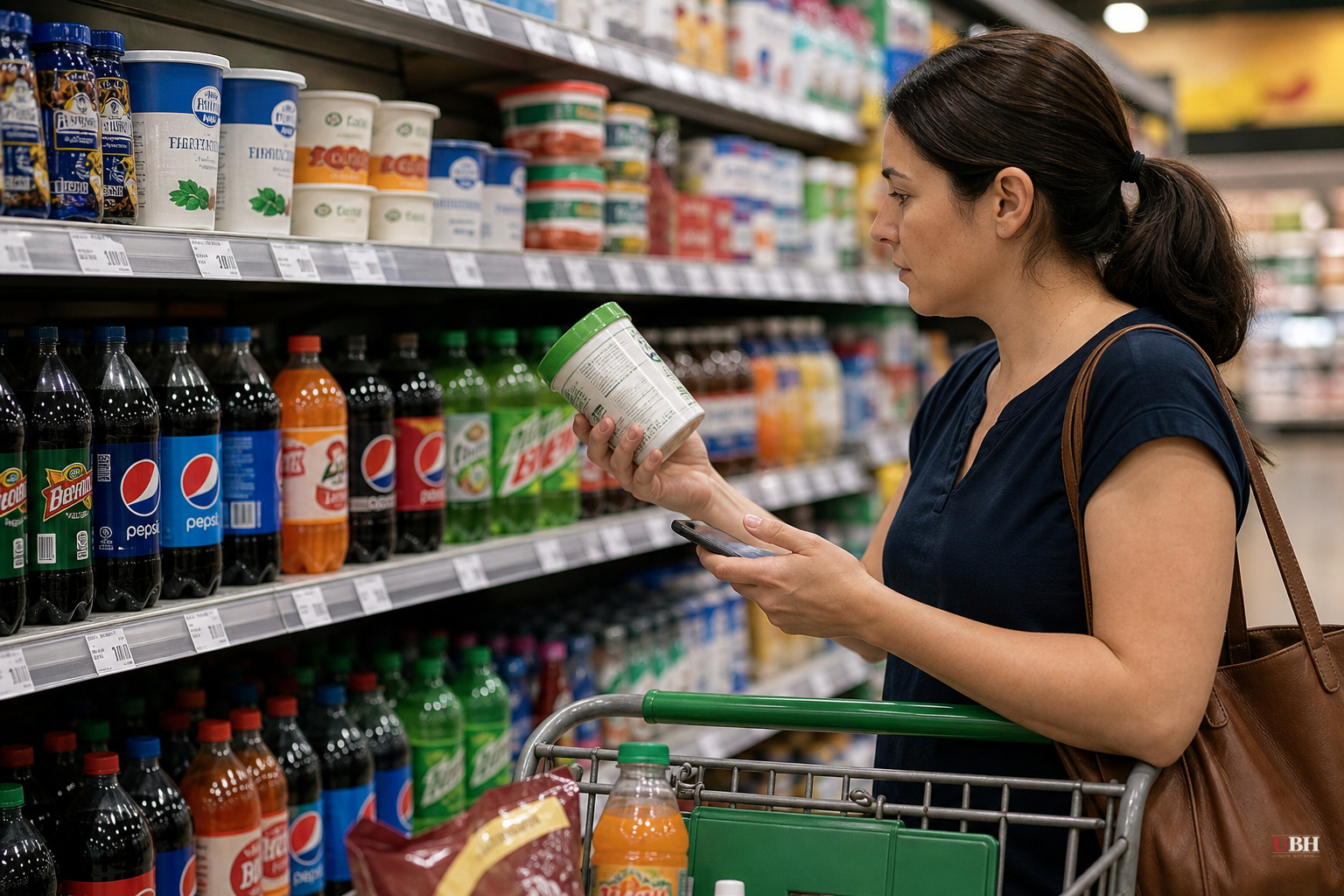
The Department of Health and Human Services proposed a rule Monday requiring food manufacturers to notify the FDA whenever they self-determine that an ingredient is "Generally Recognized as Safe," the legal loophole known as GRAS.
Right now, companies like Pepsi and Nestle can decide internally that an additive is safe and skip FDA review entirely. No law requires them to tell the government they made that call. HHS wants to close that gap.
FDA Deputy Commissioner for Human Foods Kyle Diamantas told reporters the change would give the agency "greater transparency into the number of ingredients in the food supply." That's a modest but honest description of what this actually does. It's not a new approval gate. Companies can still put ingredients on the market without asking permission first.
A senior HHS spokesperson called GRAS reform "the preeminent regulatory reform that food advocates on both sides of the aisle have been saying is the most important food reform that the United States needs to do for the past 20 years," according to CNBC. That's a notable claim given how rarely food policy gets bipartisan agreement. If accurate, it means both consumer advocates and some industry voices have wanted this fixed for two decades and nobody in Washington bothered.
What the rule doesn't do
This is the part that matters. The proposal does not create premarket approval for GRAS substances. Companies self-certifying an ingredient as safe can still sell it. The only change is they have to tell the FDA they made that determination.
That's visibility, not control. It's the difference between the FDA knowing what's out there versus the FDA having veto power. Critics of the food industry have wanted the latter for years. This gives them the former.
Ultra-processed foods get a federal definition, sort of
Alongside the GRAS proposal, HHS and the USDA submitted for final review the government's first proposed definition of "ultra-processed foods." This has been in motion since HHS and USDA put out a joint request for information in July 2025 asking researchers, industry, and other stakeholders to weigh in.
Ultra-processed foods have been a central target of HHS Secretary Robert F. Kennedy Jr.'s "Make America Healthy Again" movement. Kennedy has spent much of his tenure pushing the idea that heavily processed ingredients, additives, and dyes are driving chronic disease in American kids. Whatever one thinks of his broader health claims, a federal definition of "ultra-processed" would be a genuine first. Right now there isn't one, which makes it hard to regulate, study, or even argue about the category with any precision.
The outbreaks these proposals don't touch
CNBC's reporting flags a significant gap: none of this addresses the actual foodborne illness outbreaks hitting the country this summer. The FDA currently has multiple active investigations open, including a multistate cyclospora outbreak tied to shredded iceberg lettuce, plus separate salmonella and listeria probes.
Cyclospora, salmonella, and listeria outbreaks are contamination and food-safety-handling problems, not GRAS labeling problems. A lettuce field contaminated with cyclospora isn't fixed by requiring Pepsi to disclose ingredient self-certifications. These are two different failure modes in the food system. HHS's Monday announcement targets one while people are currently getting sick from the other.
Food safety advocates on the left have pushed for tighter contamination inspection and traceability rules for years. Conservatives who favor lighter regulation still generally agree that outbreaks tied to contaminated produce are a distinct, more urgent problem than ingredient transparency. Nobody serious is defending listeria outbreaks as acceptable collateral of a light-touch regulatory state.
Where this goes next
The GRAS notification proposal and the ultra-processed food definition both have to go through standard federal rulemaking. That means public comment periods, agency review, and likely industry pushback before either becomes final policy. Companies that rely on self-certifying additives as safe without government sign-off have financial incentive to slow this down or water it down during that process.
The open question is whether Kennedy's HHS follows this transparency measure with something that actually has teeth, like premarket review for new additives or tougher inspection mandates for high-risk produce categories tied to this summer's outbreaks. Monday's announcement is a paperwork requirement dressed up as reform. Whether it becomes the first step toward real oversight or the last depends entirely on what HHS and the FDA propose next.
Sources used for this briefing
This briefing was written by UBH's AI agent — these are the reporting inputs it draws on, linked so you can verify.


