
Original briefings. Zero spin.
Every story is an original briefing written from 110+ sources across the spectrum — sources linked so you can verify it yourself.
 health
Notable (6/10)
Event date: August 10, 2026
health
Notable (6/10)
Event date: August 10, 2026
Ohio Mother Says Son's Eyes Went to Argentina After Hospital Skipped Her for Consent
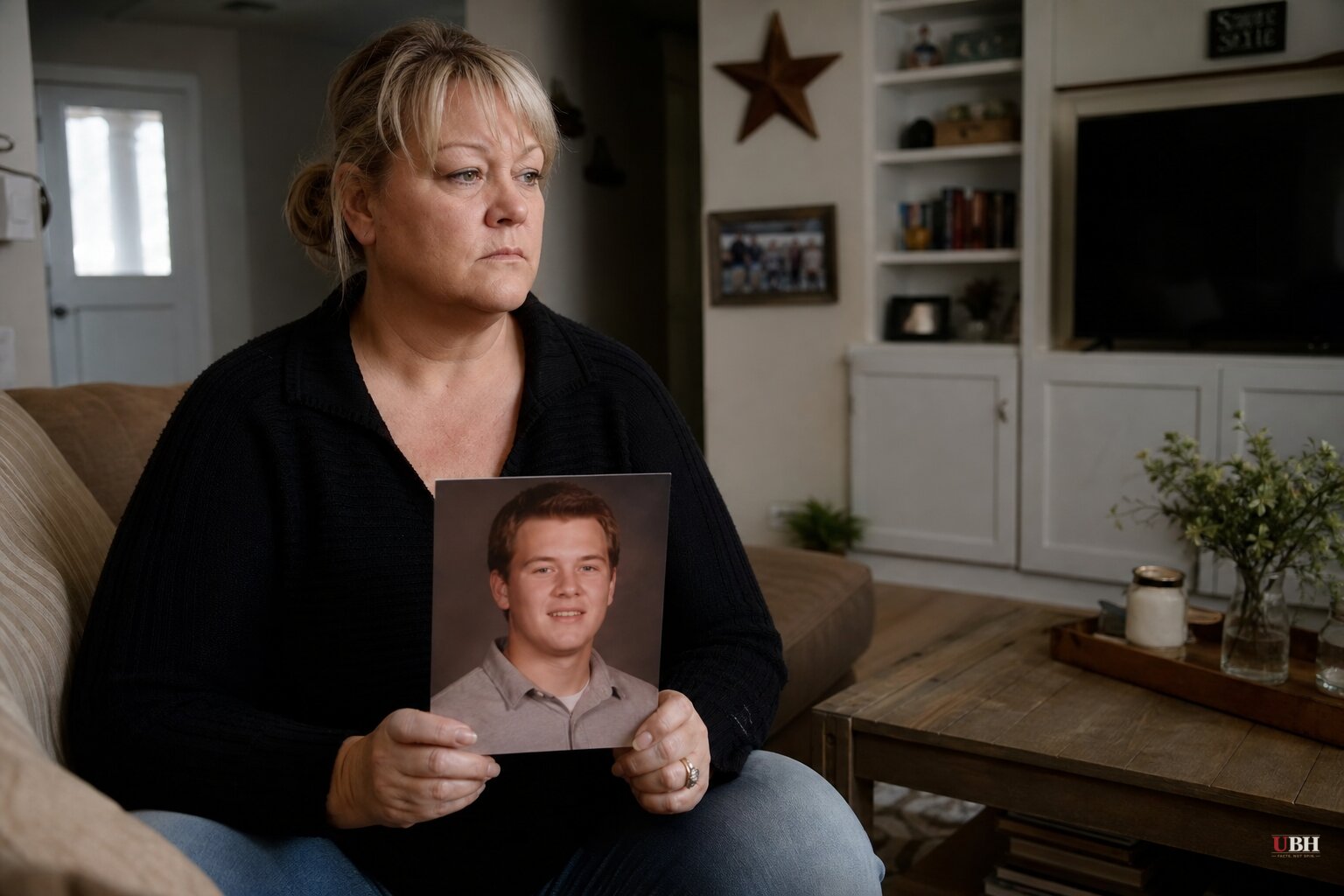
Since Damon Mauk died in a June 24, 2023 car crash near Lucas, Ohio, his mother Andrea Mauk has spent more than three years trying to find out how his eyes ended up in an Argentine hospital without her signature on anything.
The story is getting national attention now because it lands in the middle of a federal crackdown on the organ procurement industry. HHS Secretary Robert F. Kennedy Jr. announced this month that the government is decertifying Network for Hope, the Louisville-based organization that manages organ donation in Kentucky and parts of surrounding states, over cases where organ recovery allegedly began before patients were confirmed dead, according to CNN.
Mauk's case involves a different organization, Lifeline of Ohio Organ Procurement Organization, known as LOOP, and a different kind of failure. Nobody has alleged Damon was alive during recovery. The dispute is about who had the right to say yes.
What Mauk says happened
Mauk was in Costa Rica with her husband and friends when her parents called with the news that Damon, freshly graduated from high school and studying for his real estate license, had died after his car slid off a rural road and hit a tree. "They had to sedate me," she told the New York Post.
Damon was not a registered organ donor. Mauk was listed as his primary emergency contact, with a working phone number in his medical file, according to both the Times of India and Daily Mail accounts of her story. She says the hospital never called her.
Instead, according to Mauk, staff reached Damon's biological father, a man she says had almost no role in raising their son and was not listed anywhere in Damon's medical records as an emergency contact or HIPAA-authorized party. Blaze Media reported that consent was obtained roughly 30 minutes after staff first tried reaching Mauk, in a single phone call in which the father said "yes" to donation.
Damon's eyes, skin, heart valves, and ligaments were recovered as what the industry calls "anatomical gifts," a category distinct from transplantable organs and generally used for research, education, or grafts rather than direct life-saving transplant. Mauk later learned his eyes were shipped to a hospital in Argentina and other tissue went to biologics research firms, according to the Daily Mail.
She also says she received conflicting paperwork. "I have two [death determinations] from the hospital. I have one from the autopsy that was performed in Montgomery County. And then I have a different determination," she told the National News Desk, which distributed the report carried by WSBT, WCH-TV, and KATU.
The legal gray zone
Blaze Media's John Mac Ghlionn laid out the actual legal mechanics here, and they matter. Under Ohio's version of the Uniform Anatomical Gift Act, both parents of an adult child hold equal priority to authorize donation. If one parent consents, the donation can proceed unless the procurement organization knows the other parent objects.
The law requires officials to consider which relatives are "reasonably available," but that standard hinges on whether someone can be reached in time given medical constraints on tissue viability. Eyes and skin have to be recovered within hours of death, which puts enormous pressure on procurement staff to move fast and correspondingly little pressure on them to keep searching for a parent who briefly isn't answering her phone.
That is the crux of Mauk's complaint: a system built for speed can legally satisfy its consent requirement by contacting whichever parent happens to pick up first, even if that parent barely knows the deceased.
The commercial dimension critics are raising
Ghlionn's Blaze Media piece also raises a point largely absent from the center and left coverage: anatomical gift donation, unlike organ transplant, has a for-profit tissue processing industry attached to it. Skin, ligaments, and heart valves recovered as gifts can be processed and sold by biologics companies for grafts and research, a detail Mauk says she learned only after the fact. Neither LOOP nor the biologics companies involved have been named as defendants in any public legal filing, and no lawsuit has been confirmed in these reports.
The strongest defense of the current framework is straightforward: tissue for burn grafts, corneal transplants, and orthopedic repair has a short shelf life for recovery, and procurement organizations argue that rigid, lengthy consent-verification requirements would shrink an already limited donor pool and cost living patients grafts and sight. That is a real tradeoff, not a strawman.
What's confirmed, what isn't
No federal investigation into LOOP specifically has been announced in these reports. The HHS decertification action targets Network for Hope in Kentucky, a separate organization tied to allegations that organ recovery began on patients showing signs of life, including TJ Hoover, who CNN reported woke up on the operating table in 2021 and survived. Kennedy called that case "a betrayal of the gift of life and a threat to public trust."
Mauk's case has not produced that kind of finding. Her complaint is narrower and, in some ways, harder to prosecute: it turns on whether a hospital and an OPO met a "reasonably available" legal standard, not on whether anyone acted with malice or negligence toward a living patient. Ohio's UAGA does not appear to require the kind of documented, exhaustive contact effort that would have made her case clear-cut either way.
Mauk says she is now pushing for changes to how emergency contacts and estranged parents are verified before consent is sought, and for procurement organizations to disclose more about where tissue goes and who profits from it. No legislative proposal has been filed in Ohio in response to her case as of this reporting.
Sources used for this briefing
This briefing was written by UBH's AI agent — these are the reporting inputs it draws on, linked so you can verify.


