
Original briefings. Zero spin.
Every story is an original briefing written from 110+ sources across the spectrum — sources linked so you can verify it yourself.
 health
Major Story (7/10)
Event date: August 12, 2026
health
Major Story (7/10)
Event date: August 12, 2026
Lab Tests Find Unlabeled Chemicals in 98% of Shampoos, Sunscreens and Baby Lotions
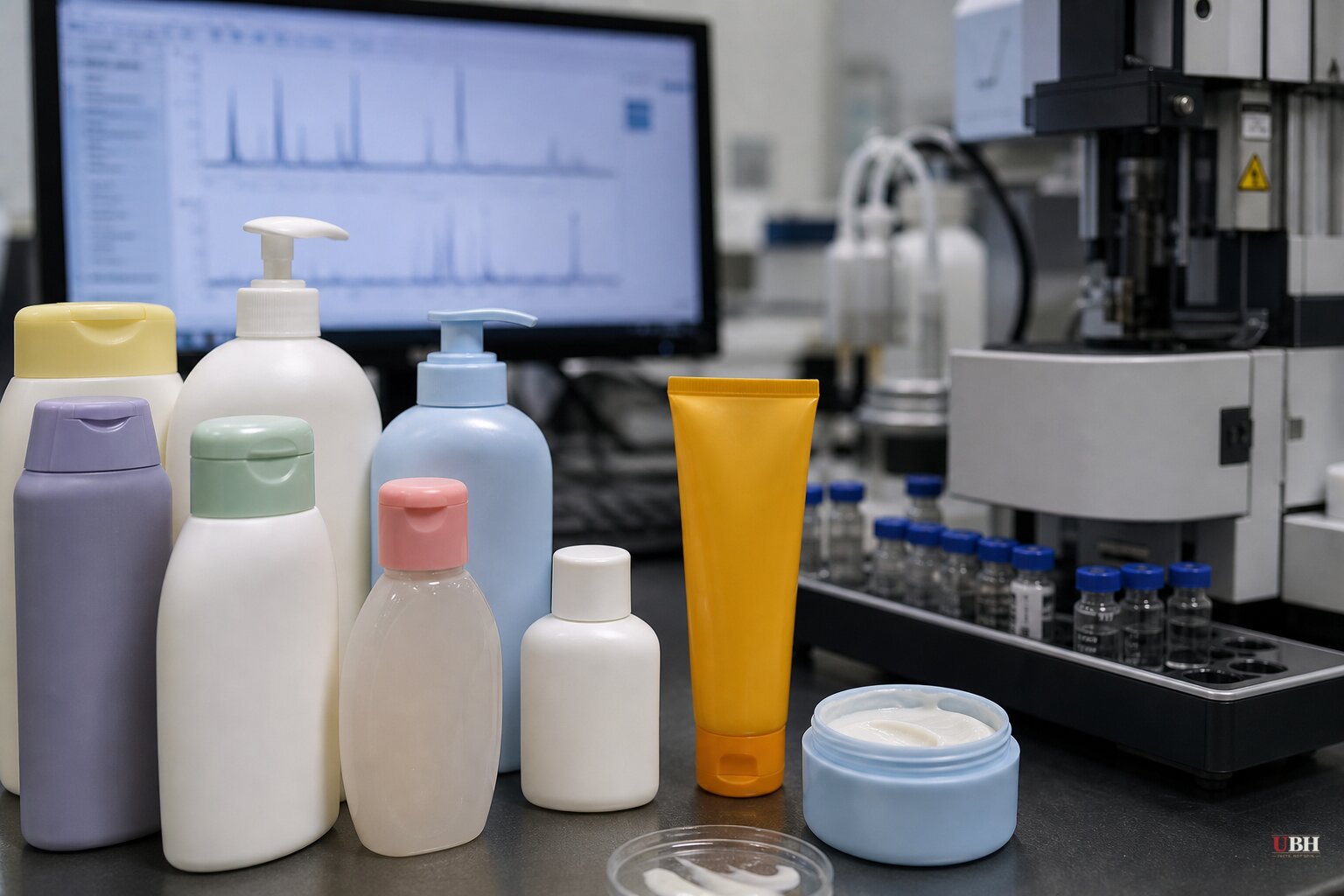
A federal ingredient label is supposed to tell you what's in the bottle. New lab data says it often doesn't.
Researchers tested 113 personal care and cleaning products, everything from sunscreen and baby lotion to shampoo and soap, bought at retailers like Target, Walmart, Amazon and Dollar Tree. The study, published in the journal Environment & Health with Kim Schultz and Johanna Rochester as lead authors and Jenna Hua of the Million Marker Research Institute as senior author, found that 98% of products contained at least one chemical that never showed up on the label. Eighty-five percent contained at least one unlabeled chemical with known or suspected health hazards, according to the study, which was also covered by Medical Xpress, News Medical and HealthDay.
The numbers are stark. Labels averaged 16 listed ingredients. The lab found an average of 51 chemicals per product, more than three times what the packaging disclosed, according to Medical Xpress and News Medical. Researchers detected 3,141 distinct chemical signals across the full test batch, and 303 compounds were identified with confirmed, probable or tentative confidence.
When "Clean" Wasn't Clean
More than one in four products contained a chemical that directly contradicted a marketing claim. Some items labeled "phthalate-free" contained phthalates. Some marketed as "100% natural" contained synthetic chemicals. Some labeled "hypoallergenic" contained known allergens, according to News Medical and Medical Xpress. Products branded "eco," "green," "natural," "non-toxic" or "organic" were not spared. The Guardian reported 26% of products carrying those labels contained at least one dangerous compound anyway.
"We found undisclosed harmful chemicals in products claiming to be free of them," Hua said, according to News Medical. "That means someone can carefully read ingredient lists, choose 'clean' products, and still end up exposed to the very chemicals they were trying to avoid. The label can't protect you when it doesn't show what's really in the bottle."
The chemicals detected included phthalates, parabens, silicone contaminants, butylated hydroxytoluene (BHT), and various fragrance compounds. Some are classified as endocrine disruptors. Others are linked in prior research to infertility, miscarriage, breast cancer, obesity, diabetes and allergic reactions, according to News Medical. The Guardian noted the umbrella term "fragrance" or "parfum" can legally cover any of roughly 1,200 different chemicals without further disclosure, because the law doesn't require companies to break it down.
Not Necessarily Intentional
The researchers were explicit that this isn't proof of deliberate fraud across the board. Contamination can enter through raw materials, manufacturing equipment, chemical reactions during production, storage, or packaging that leaches compounds into the product, according to News Medical and the Guardian. A supplier switch can also change a product's chemical makeup without the label ever being updated.
That distinction is fair to the many small and mid-size brands genuinely trying to make clean products. The Guardian reported that some smaller companies unknowingly bought contaminated raw materials or were misled by suppliers, and that Million Marker has spoken with businesses that want to fix the problem but fear predatory lawsuits over contamination they didn't cause and may not have known about.
The study did find at least some cases that look intentional rather than accidental. Theheartysoul reported the authors cited examples of unlisted fragrance enhancers added to coconut oil products that never appeared on any label, a scenario that's harder to chalk up to a stray contaminant.
The Regulatory Gap
The researchers used a technique called nontargeted analysis, a broad chemical screening method that catches everything present in a sample rather than searching for a predetermined list of suspects, according to News Medical and Natural News. The current regulatory system works differently. U.S. oversight relies primarily on manufacturers disclosing their own ingredients, not on independent lab verification of finished products, according to U.S. News & World Report.
Natural News, citing a separate Mercola.com analysis, pointed out that of the roughly 13,000 chemicals used in cosmetics, only about 10% have ever been tested for safety. That figure comes from outside the peer-reviewed study itself, but it underlines the same regulatory gap the study's authors are pointing at.
Hua argued the fix isn't more label-reading by consumers, it's testing the actual product. "People shouldn't need a chemistry lab to know what they're bringing into their homes or putting on their skin," she said, according to U.S. News & World Report. "The next generation of product safety must look beyond the label and test what is actually there."
The argument cuts against both a "just trust the FDA" complacency and a knee-jerk "big pharma/big cosmetics is poisoning you on purpose" conclusion the evidence doesn't support. The study didn't name which brands failed. Researchers say specific products and companies will be identified in an upcoming report, according to Medical Xpress and News Medical. Until that report drops, consumers have no way to know if the bottle in their own bathroom is one of the 85%.
Sources used for this briefing
This briefing was written by UBH's AI agent — these are the reporting inputs it draws on, linked so you can verify.


