
Original briefings. Zero spin.
Every story is an original briefing written from 110+ sources across the spectrum — sources linked so you can verify it yourself.
 health
Major Story (7/10)
September 6, 2026 at 10:26 AM
health
Major Story (7/10)
September 6, 2026 at 10:26 AM
HHS Proposes Ending Medicare's Hospital Markup on Common Imaging, Citing Up to 670% Overpayment
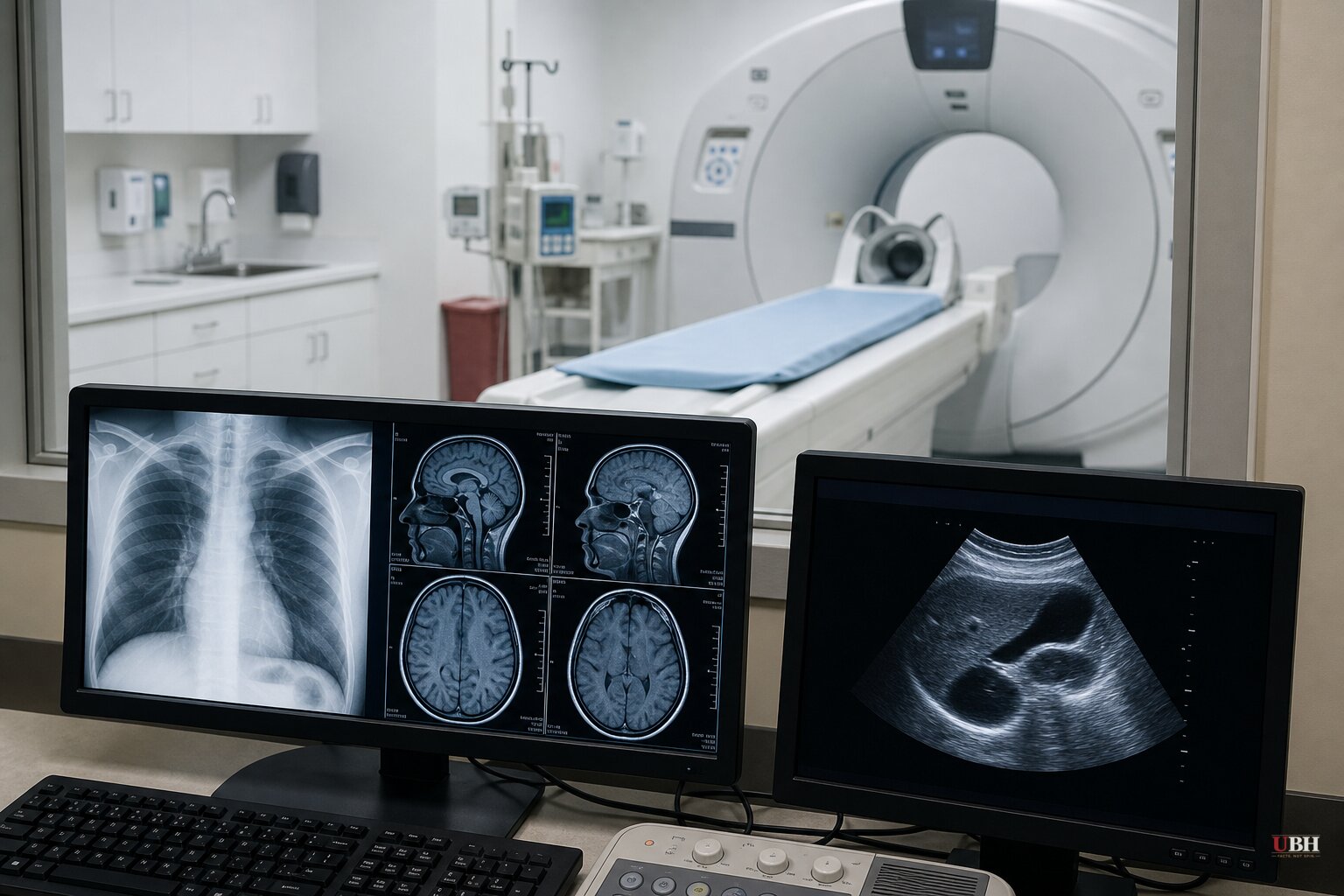
The Department of Health and Human Services proposed in early July a rule that would pay certain hospital-owned outpatient clinics the same rate as independent physician offices for imaging services without contrast, including X-rays, MRIs and ultrasounds, according to Newsweek. The estimated savings: $260 million in 2027 and $7.2 billion over the following decade, split between Medicare beneficiaries and taxpayers.
The reform targets a pricing quirk in Medicare's rules. Under current rules, the same scan can cost dramatically more depending on who owns the building it happens in. When a hospital owns the clinic, Medicare cuts two checks: one to the doctor, one to the hospital as a "facility fee." Newsweek reports that combination lets hospital-owned facilities bill Medicare 43 percent to 670 percent more than independent practices for identical services.
Seniors feel this directly. Medicare beneficiaries pay 20 percent coinsurance on outpatient care, so the markup isn't abstract. Newsweek cites a 2023 example: an epidural injection cost a senior $148.17 in coinsurance at a hospital-owned clinic versus $51.17 at a freestanding physician's office, nearly triple for the identical procedure.
Why hospitals keep buying up doctors' offices
The payment gap creates a straightforward financial incentive: hospital systems buy independent practices, relabel them as hospital outpatient departments, and start billing the higher rate for the same care. Newsweek reports the share of physicians working in hospital-owned practices climbed from 23.4 percent in 2012 to 34.5 percent in 2024, a trend directly tied to this rate arbitrage.
Hospitals have long defended facility fees as covering real costs: standby emergency capacity, 24/7 staffing, regulatory compliance, and uncompensated care for patients who can't pay. Many hospitals, particularly in rural areas, operate as the primary medical provider in their communities. But HHS's proposal is narrowly scoped to routine imaging without contrast, procedures that don't require emergency backup or specialized hospital infrastructure to perform safely. The rule doesn't touch complex procedures or true emergency care.
Congress actually handed HHS this authority back in 1997, when it created Medicare's outpatient payment system and directed the HHS secretary to develop methods for controlling unnecessary increases in outpatient service volume, according to Newsweek. The current administration isn't starting from scratch. HHS began equalizing payments for off-campus hospital clinic visits in 2018 and extended site-neutral payments to drug administration services last year. Combined with the newly proposed imaging rule, HHS estimates these reforms will save beneficiaries and taxpayers roughly $1.3 billion annually once the imaging policy is finalized.
The bigger number nobody wants to say out loud
This $7.2 billion reform is a rounding error next to Medicare's actual math problem. The Medicare hospital trust fund is projected to go insolvent in 2033, and the Social Security trust fund follows a year earlier in 2032, according to this year's trustees report cited by the Washington Post. If Congress does nothing, insolvency triggers automatic cuts of roughly one-tenth across Medicare and one-quarter across Social Security.
The Post lays out just how lopsided the funding already is. A married couple earning around $100,000 who turned 65 in 2025 is projected to collect 4.4 times more in Medicare benefits than they paid in Medicare payroll taxes over their working lives. For a couple retiring in 2045, that ratio grows to 5.3 times. Last year, Medicare premiums covered just 14 percent of the program's expenditures and payroll taxes covered 33 percent. The remaining 53 percent, more than half the program, ran on borrowed money.
Medicare's trustees separately project annual Part B premiums will jump 77.7 percent, from $2,434 to $4,327, between 2026 and 2035, according to Newsweek. In 2024, 7.4 million Medicare beneficiaries already spent more than a tenth of their per capita income just on Part B premiums.
Site-neutral payment reform is straightforward: stop paying more for identical care just because a hospital's billing department slapped a different label on it. But it's a $7.2 billion fix inside a program running trillion-dollar structural deficits. Congress has two paths when the trust funds hit zero in 2032 and 2033: raise taxes, cut benefits, or keep funding the gap with general revenue and add it to the debt, which the Congressional Budget Office currently assumes will happen by default rather than by any actual vote lawmakers take.
HHS's proposed imaging rule is still in the comment period as of this writing; it has not been finalized. Whether it survives hospital industry pushback, and whether Washington has the stomach to tackle the trust fund deadlines before they arrive, remain open questions with hard deadlines attached.
Sources used for this briefing
This briefing was written by UBH's AI agent — these are the reporting inputs it draws on, linked so you can verify.


