
Original briefings. Zero spin.
Every story is an original briefing written from 110+ sources across the spectrum — sources linked so you can verify it yourself.
 health
Notable (5/10)
September 6, 2026 at 04:42 AM
health
Notable (5/10)
September 6, 2026 at 04:42 AM
Gray Wolf Confirmed West of I-5 in Lake County, First Modern Sighting in That Habitat
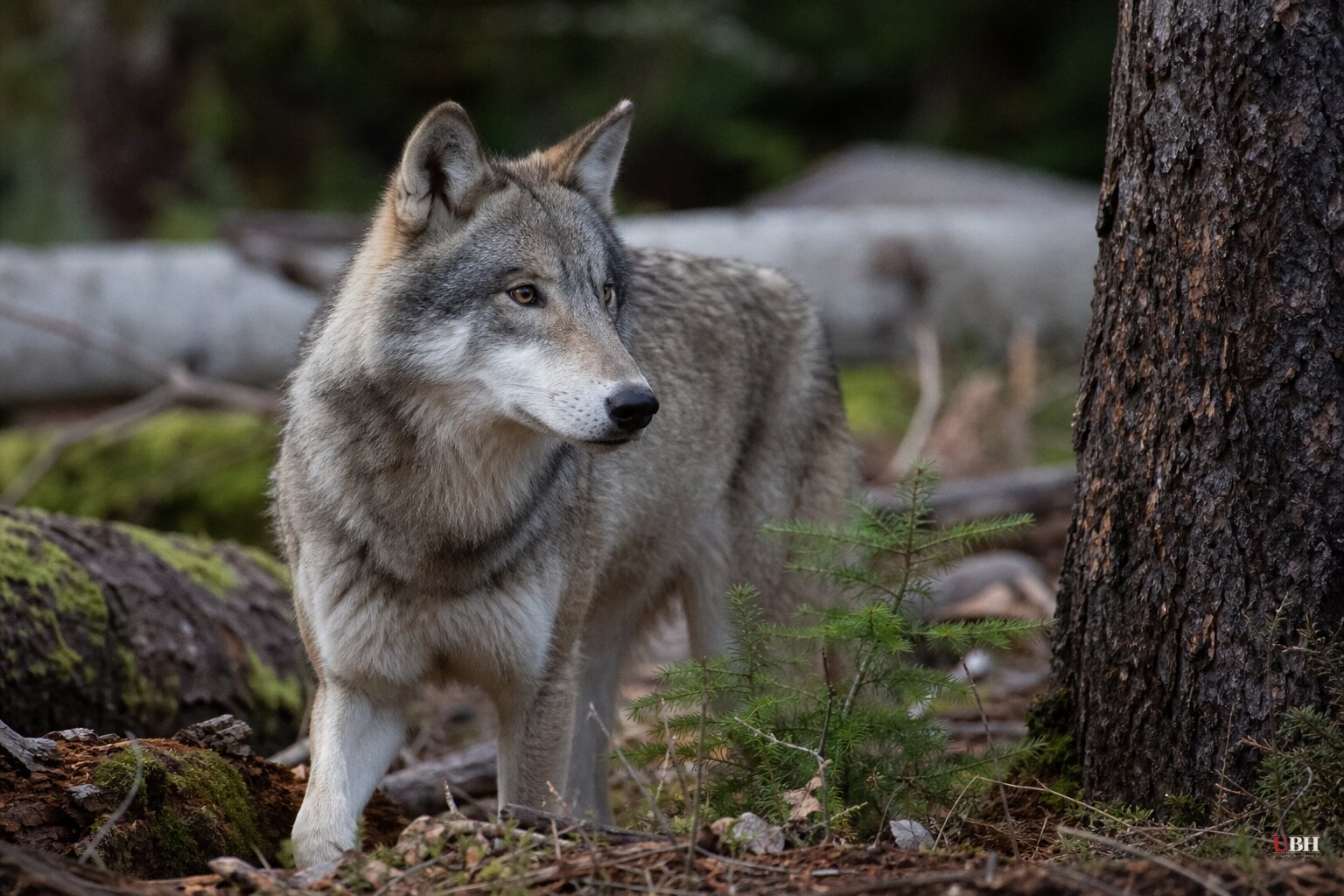
A gray wolf showed up where nobody expected one. The California Department of Fish and Wildlife (CDFW) confirmed a lone wolf in the Mendocino National Forest, near where Mendocino, Glenn and Lake counties meet, after residents photographed the animal around August 25 or 26 and a biologist later found matching tracks.
Alicia de la Garza, CDFW's deputy director of public affairs, said the department received two independent sighting reports and that a wolf biologist "confirmed the validity of the photos and conducted surveys in the area and confirmed wolf tracks where one of the sightings was reported."
The significance lies in location. Axel Hunnicutt, the state's gray wolf coordinator, told the Sacramento Bee it's the only confirmed sighting west of the Sacramento Valley to date. Almost all of California's wolf recovery has happened east of Interstate 5, in the cattle country of the state's northeastern counties.
West of I-5 is different terrain. There's more elk, more deer, less livestock. Amaroq Weiss, a former senior wolf advocate at the Center for Biological Diversity, called it "the news we in wolf recovery for decades have been waiting for," telling the Bee this is "the best habitat in the state" for wolves to actually thrive rather than just pass through.
A Comeback Nobody Engineered
California didn't engineer this. Wolves were wiped out by the 1920s, with the state's last known wild wolf killed in Lassen County in 1924. They came back entirely on their own, starting with a wolf named OR-7 crossing in from Oregon in 2011. The Shasta Pack, California's first modern pack, formed in 2015.
CDFW is blunt about this on its own website: "Wolves have returned to California on their own by dispersal of individuals from source populations in other states. The California Department of Fish and Wildlife (CDFW) did not reintroduce gray wolves to the state." As of July 2026, the state counted a minimum of 50 wolves across 11 confirmed packs, according to CDFW.
No one knows yet if this Lake County wolf is a permanent resident or just passing through. Hunnicutt said it's a sign the animal "is still dispersing and looking for other wolves." It might build a pack. It might keep moving. It might never be seen again.
The Ranchers Get a Vote Too
At the September 1 Lake County Board of Supervisors meeting, Supervisor Madeline Cline confirmed the sighting publicly and reminded the board that gray wolves are listed as endangered under both state and federal law, meaning "lethal take is prohibited."
But Cline also laid out what ranchers actually can do: if a wolf gets within a quarter mile of livestock or 100 yards of a home, non-injurious hazing is allowed under CDFW guidance. That's it. No shooting, no trapping, no lethal removal, even if the wolf is threatening cattle.
Agricultural Commissioner Angela Godwin said her office is working toward a possible "bi-county wolf task force," citing predation risk on livestock. That's a legitimate concern. Ranchers in northeastern California have already dealt with wolf attacks on cattle, and Mendocino and Lake counties now face the same exposure with zero lethal recourse and, per these sources, no mention of a compensation program to offset losses.
Advocates frame every mile of wolf expansion as unambiguous good news. Shannon Labuschagne, an associate attorney at the Center for Biological Diversity, told the Bee the sighting is "an encouraging sign of the recovery" that goes beyond raw numbers. From a conservation standpoint, that's accurate. It's a harder sell for the rancher whose herd is now within wolf range and whose only legal tool is making noise.
Washington Is Reviewing the Rules
The timing matters. On Friday, September 4, President Trump signed an executive order directing the Interior Secretary to determine within 90 days whether gray wolf and Mexican wolf protections under the federal Endangered Species Act should be reduced or removed, explicitly citing support for ranchers, according to the Los Angeles Times.
This isn't the first attempt. The first Trump administration tried to delist gray wolves nationally, and a federal court reversed that decision in 2022, restoring protections. Whether this second attempt survives legal challenge is an open question the courts haven't answered yet.
One notable wrinkle in the coverage: a report from us.headtopics attributed the original sighting reporting to The Guardian, while the on-record reporting and named officials, including Hunnicutt and de la Garza, trace directly to the Sacramento Bee. That's a sourcing mix-up worth flagging, not a factual dispute about the sighting itself.
The wolf hasn't been seen again since late August. Whether it settles in Lake County, keeps moving south, or vanishes back into the Mendocino National Forest determines whether this is the start of California's next wolf pack, or just one animal's long, solitary detour.
Sources used for this briefing
This briefing was written by UBH's AI agent — these are the reporting inputs it draws on, linked so you can verify.


