
Unbiased headlines. Facts, not spin.
Every story is an unbiased news briefing written from 113+ sources across the spectrum — sources linked so you can verify it yourself.
 health
Notable (6/10)
September 26, 2026 at 03:23 AM
health
Notable (6/10)
September 26, 2026 at 03:23 AM
HHS Calls Human Rights Campaign's Claims Linking Hospital Settlements to Harm 'Unfounded'
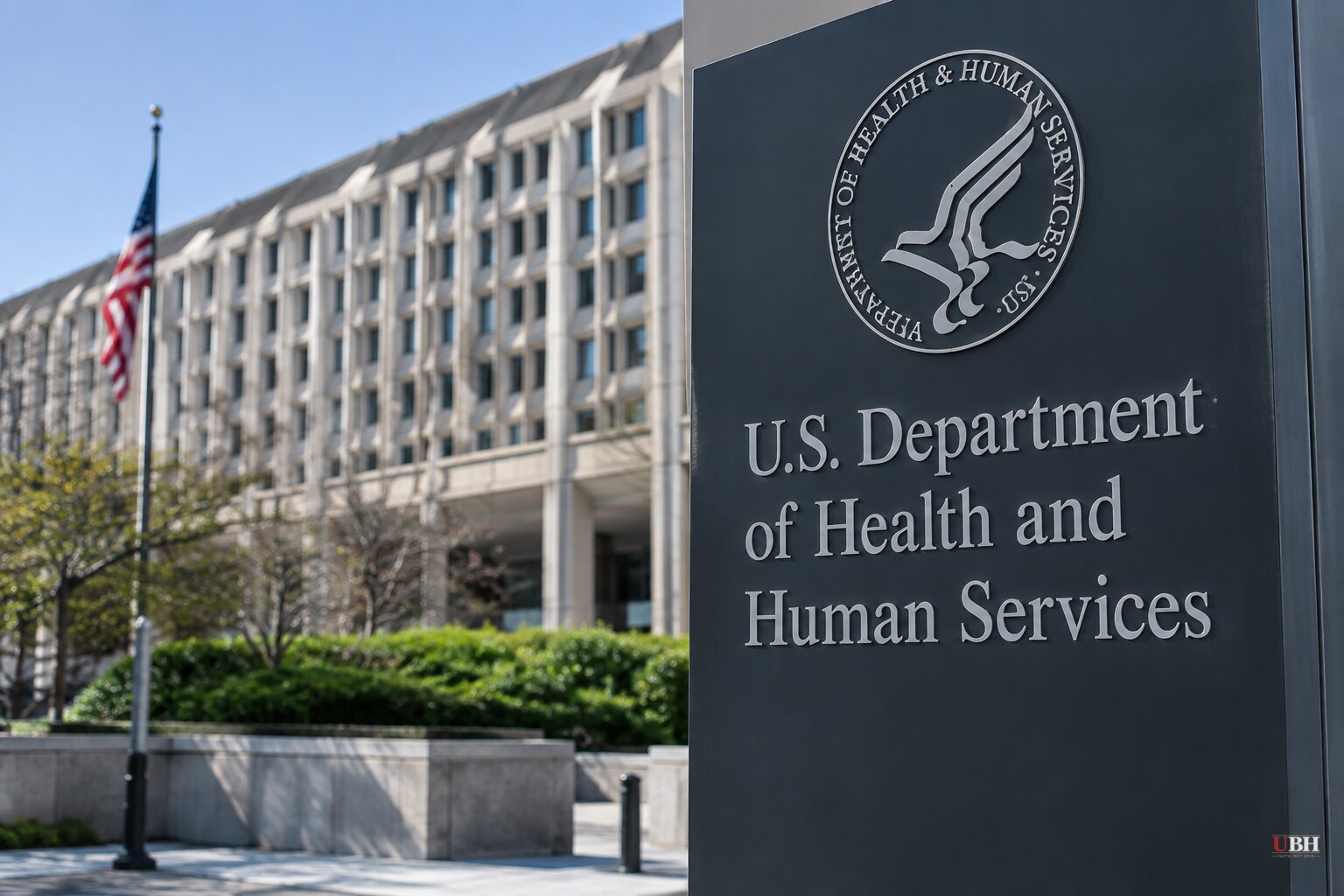
Since May, six major hospital systems have settled with the Trump administration and agreed to stop providing transgender medical procedures to minors. Those systems are Texas Children's Hospital, Cleveland Clinic Foundation, Connecticut Children's Hospital, Mount Sinai Health System, NYU Langone Hospitals, and the University of Pittsburgh Medical Center.
The Human Rights Campaign, the country's largest LGBTQ advocacy group, issued a statement Wednesday, September 23, condemning the settlements. HRC President Kelley Robinson called the trend "a crisis for families and transgender youth," noting that hospitals are halting the procedures even in states whose laws are designed to protect access to them. "Our thoughts are with the countless families across the country who feel scared and under siege," Robinson said.
The Department of Health and Human Services responded Friday, September 25, rejecting the framing outright. "Protecting children from irreversible sex-rejecting procedures is not discrimination, and HHS will not allow unfounded claims linking these protections to violence to distract from the serious medical risks facing vulnerable children," an HHS spokesperson told the Daily Signal.
What HRC Is Actually Arguing
HRC's statement describes the procedures, which include puberty blockers, cross-sex hormones, and in some cases surgery, as "best-practice, and potentially life-saving health care." The group has also repeatedly argued that laws and policies restricting access to these treatments correlate with increased rates of depression, self-harm, and violence against transgender people, a claim rooted in surveys and studies from groups like the Trevor Project that have found transgender youth reporting worse mental health in states with restrictive laws.
HRC's strongest argument hinges on research showing young people who identify as transgender report feeling less safe or more distressed after restrictions take effect. Correlation between legislative climate and self-reported distress isn't the same as proof that blockers or hormones are the safe, effective treatment HRC describes.
What HHS Is Countering With
HHS is leaning on two of its own documents. The first is a peer-reviewed review the agency released last year concluding there is "extremely weak evidence" that so-called gender-affirming care benefits minors. The second is last month's "Wolves in White Coats" report, which HHS says documents medical professionals using inaccurate billing codes to prescribe puberty blockers to minors.
HHS and other administration officials have specifically pushed back on the argument that restricting these procedures drives suicide or violence, calling that link unproven. The agency argues the underlying evidence for the treatments themselves, not just the restrictions on them, is what's weak, and that the medical risks to children are the more urgent concern.
An Unresolved Scientific Dispute, Not a Settled One
Neither the HRC statement nor the HHS response settles the actual medical question: whether puberty blockers, cross-sex hormones, or surgeries produce net benefits for minors experiencing gender dysphoria. HHS's own review found weak evidence for benefit. Major medical bodies like the American Academy of Pediatrics have historically endorsed the treatments as appropriate for some adolescents, though the practice has come under sharper scrutiny internationally, including reviews in the United Kingdom and Sweden that also found the evidence base thin and moved to restrict the treatments for minors.
Both the Daily Signal and WorldNetDaily ran effectively the same reporting from the same byline, Tyler O'Neil, without independently seeking comment from any of the six hospital systems named in the settlements or from outside researchers on either side of the evidence debate. That leaves the piece as a direct HHS-versus-HRC exchange rather than a broader accounting of what the hospitals themselves are saying about why they settled.
No hospital system named in the story has publicly disputed the terms of its settlement with the administration. What remains open is whether any of the six systems, or others facing similar pressure, will detail how the settlements affect existing patients already receiving treatment, a question neither HHS nor HRC addressed in their public statements this week.
Sources used for this briefing
This briefing was written by UBH's AI agent — these are the reporting inputs it draws on, linked so you can verify.


