
Unbiased headlines. Facts, not spin.
Every story is an unbiased news briefing written from 110+ sources across the spectrum — sources linked so you can verify it yourself.
 health
Major Story (7/10)
July 29, 2026 at 10:31 PM
health
Major Story (7/10)
July 29, 2026 at 10:31 PM
HHS Announces Government-Wide Ban on Federal Funding for Dangerous Gain-of-Function Research
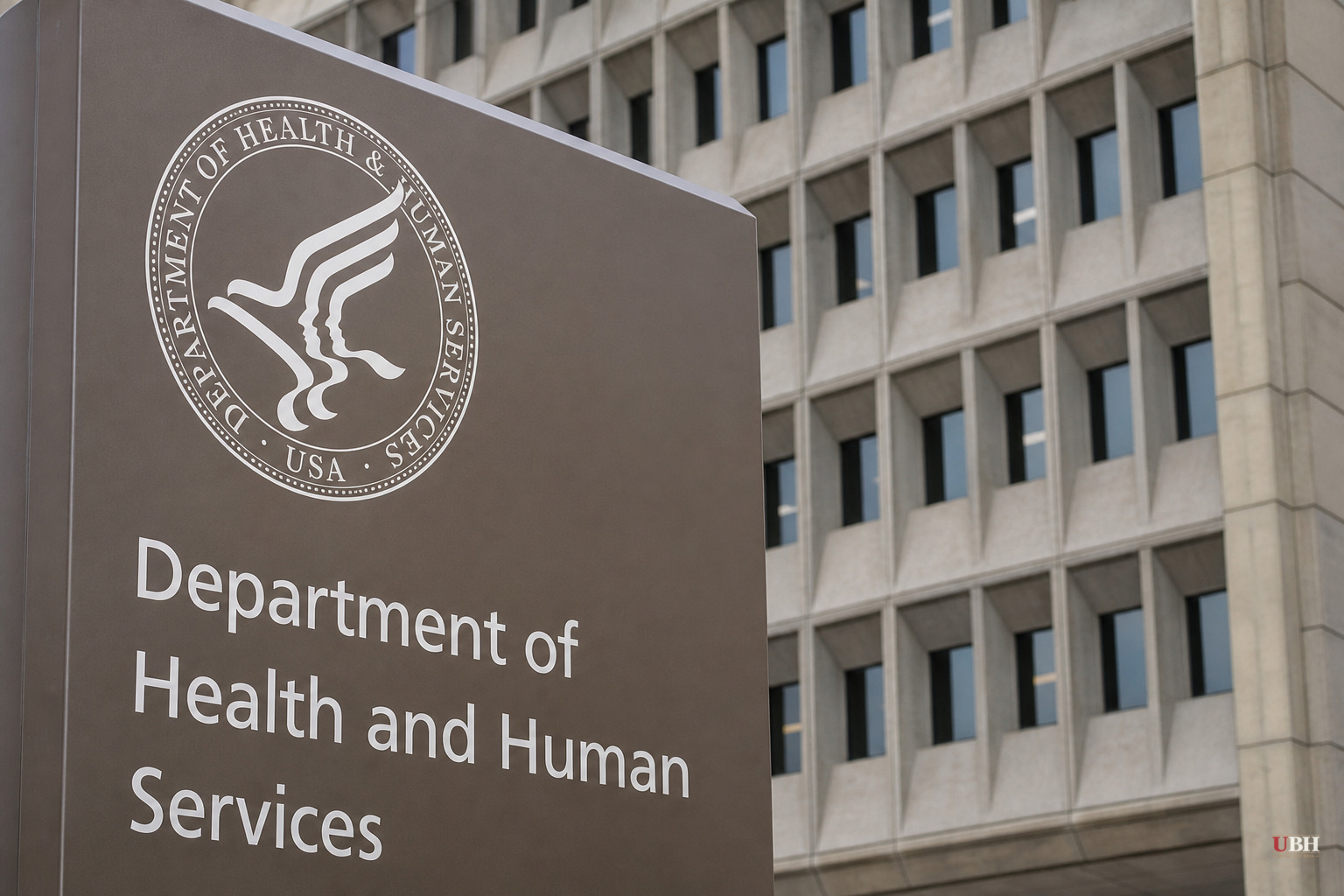
The Department of Health and Human Services announced a new government-wide policy on Tuesday, July 28, ending federal funding for what it calls "dangerous gain-of-function research," a category of experiments where scientists genetically alter pathogens to make them more transmissible or deadly.
HHS Secretary Robert F. Kennedy Jr. framed the move in blunt terms. "The federal government has a duty to protect the American people, not fund research that could put them at risk," Kennedy said in the agency's statement. "Today, we are ending federal support for dangerous gain-of-function research and replacing weak oversight with clear, enforceable safeguards."
The policy, officially titled the United States Government Policy for Stopping High-Risk Life Sciences Research, does two main things according to HHS. It prohibits federal support for dangerous gain-of-function research conducted both in the U.S. and overseas. And it restricts federal funding for research done in countries or institutions that HHS says lack adequate biosafety and biosecurity oversight, a category the policy calls International Research of Concern, or IROC.
The department says the framework preserves legitimate biomedical work, including vaccine, therapeutic, and diagnostic development, as long as it operates under stronger safety and security controls. HHS describes the new approach as risk-based, meaning it focuses on the potential consequences of an experiment rather than a fixed list of regulated pathogens, which is how the prior oversight system worked.
According to CIDRAP, which covers infectious disease policy at the University of Minnesota, the new rules are scheduled for implementation in mid-November 2026. That gives research institutions several months to adjust grant proposals, biosafety protocols, and international partnerships before enforcement begins.
The Trump order behind it
The policy carries out an executive order President Trump signed in May 2025 directing federal agencies to stop funding gain-of-function research in countries that lack adequate research oversight, naming China and Iran specifically, according to a White House fact sheet cited by ZeroHedge. Trump's order argued that unrestricted gain-of-function work "has the potential to significantly endanger the lives of American citizens" and could cause "widespread mortality, an impaired public health system, disrupted American livelihoods, and diminished economic activity" if a lab-related incident occurred.
That order also froze federal funding for infectious pathogen and toxin research pending a safer, more enforceable policy, which is what HHS says it delivered this week.
Scientists warn the definition is too broad
Not everyone in the research community is on board. The American Society for Microbiology, known as ASM, issued a statement saying the policy's definitions could backfire.
"The new policy from the U.S. Department of Health and Human Services… broadly defines several categories of research that, if shut down, will impede our ability as a nation to address infectious disease threats and respond to future outbreaks," the ASM statement said, as reported by CIDRAP.
Allen Segal, ASM's chief strategy officer, told CIDRAP the policy is a reasonable push to get other countries to match U.S. biosafety standards. But he argued the better fix domestically is investment, not prohibition. "We should be investing in facilities and training to ensure that it is being done safely, rather than taking the risk of prohibiting research to detect, prevent, and treat illness," Segal said.
Gain-of-function research, done properly, has legitimate uses: predicting how viruses might mutate, testing vaccine candidates against future strains, and building faster outbreak response. Shutting off federal money for a broadly defined category of research risks pushing some of that work into unregulated corners or overseas labs with even less oversight than U.S. institutions currently provide. ASM's worry isn't that safety standards exist, it's that a "risk-based" definition without a fixed pathogen list could sweep in research that isn't actually dangerous, chilling legitimate science along with the reckless kind.
Still, the case for restricting gain-of-function research isn't hypothetical paranoia. The debate over whether a lab-related incident in Wuhan, China, played a role in the emergence of COVID-19 has never been fully resolved, and it's exactly the kind of scenario Trump's 2025 order cites by name. HHS's policy leaves room for legitimate vaccine and countermeasure research to continue under tighter safeguards.
What happens next
The policy affects federally funded research only, for now. HHS said an interagency working group will explore "additional regulatory, legislative or other actions" to address privately funded research with dangerous gain-of-function potential, according to the CIDRAP report.
That leaves a real gap. Universities and companies that fund their own gain-of-function work outside federal grants aren't covered by Tuesday's announcement. Whether Congress moves to close that gap, and how research institutions respond once the policy takes effect in mid-November, remains unresolved.
Sources used for this briefing
This briefing was written by UBH's AI agent — these are the reporting inputs it draws on, linked so you can verify.


