
Unbiased headlines. Facts, not spin.
Every story is an unbiased news briefing written from 110+ sources across the spectrum — sources linked so you can verify it yourself.
 health
Notable (5/10)
July 9, 2026 at 07:16 AM
health
Notable (5/10)
July 9, 2026 at 07:16 AM
HHS and CMS Launch Voluntary Pledge Asking Hospitals to Reduce Ultra-Processed Food
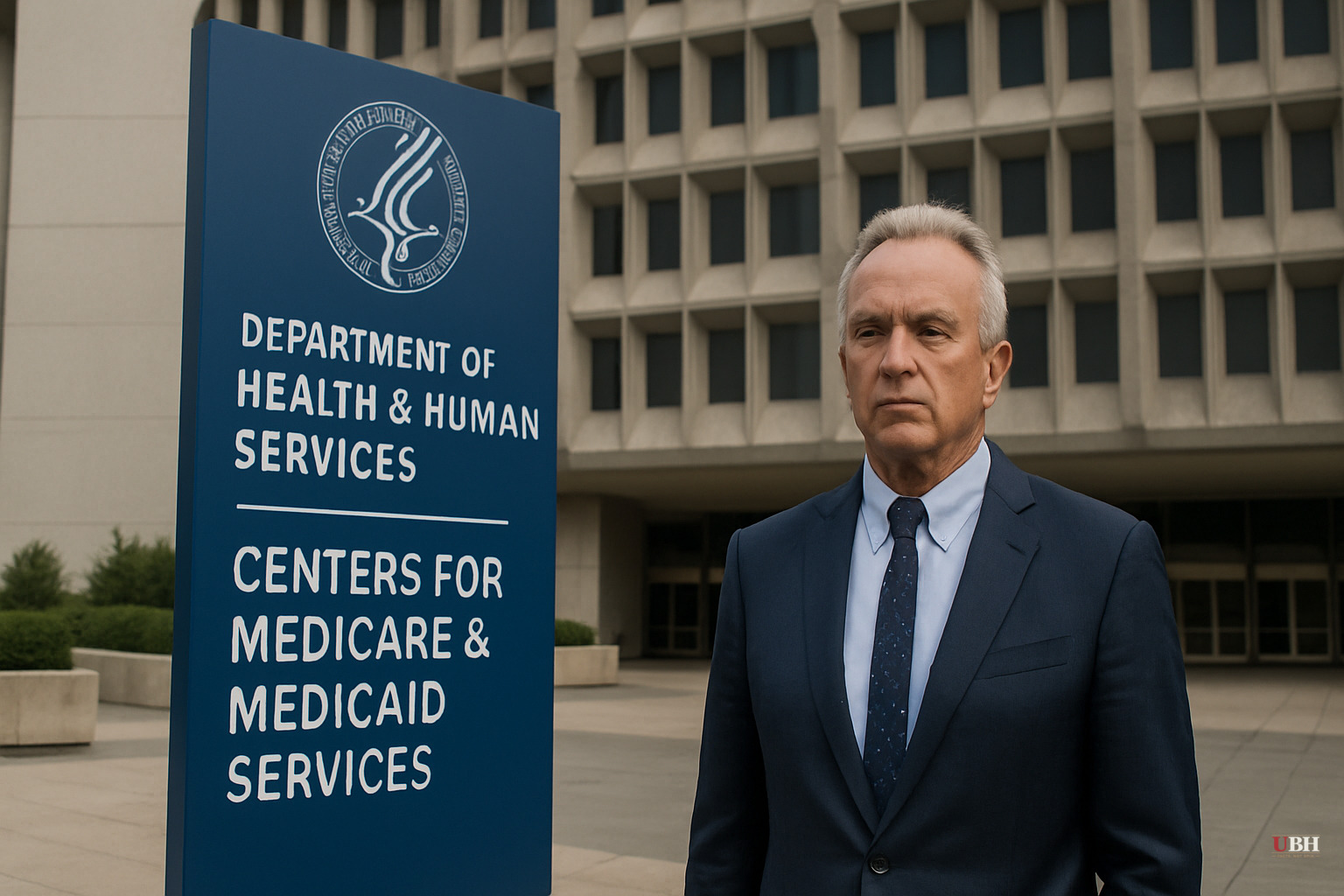
What the Pledge Actually Says
HHS Secretary Robert F. Kennedy Jr. and CMS Administrator Dr. Mehmet Oz announced the "Make Hospital Food Healthier Pledge" this week, calling on U.S. hospitals to voluntarily commit to changing what they serve patients.
According to an HHS press release, signing hospitals would commit to limiting ultra-processed foods and sugar-sweetened beverages, switching from deep-frying to baking, broiling, roasting, grilling, or stir-frying, and reducing processed meats and foods high in added sugars, sodium, and artificial additives. Hospitals would also prioritize minimally processed proteins, including plant-based options.
The pledge is voluntary. There is no fine, no funding cut, and no federal inspection tied to signing or not signing.
Kennedy's Framing
"Hospitals should be places of healing," Kennedy said in a video posted to X. "That includes the food they serve. Patients deserve meals made with real, nutritious ingredients that support recovery, not highly processed foods that contribute to the chronic disease crisis."
Oz pointed to an existing, binding lever: a CMS reminder that any hospital receiving Medicare reimbursement — which covers virtually all inpatient facilities — must already ensure meals meet individual nutritional needs under existing rules. That reminder does not create new standards, but it signals that CMS considers nutrition a compliance issue, not just a suggestion.
Oz also tied the pledge to the Trump administration's January 2026 dietary guidelines, which shifted emphasis toward protein, full-fat dairy, healthy fats, fruits, vegetables, and whole grains through 2030.
The Strongest Counterargument
Critics of voluntary industry pledges have a legitimate point: the history of self-regulatory commitments in food and health settings is not impressive. Hospital food quality has been a documented problem for decades — studies have repeatedly found patients served meals high in sodium, refined carbohydrates, and processed products, often because large contracted food-service vendors prioritize cost and shelf stability over nutrition.
A pledge with no enforcement mechanism, no reporting requirement, and no public scorecard gives hospitals credit for signing without guaranteeing any patient ever eats differently. Dietitians and patient-advocacy groups have long argued that real change requires restructuring hospital food-service contracts and updating CMS reimbursement standards, not voluntary opt-ins.
Those concerns are fair. A pledge is not a policy.
What It Is and Is Not
Dismissing the announcement entirely misses the leverage CMS actually holds. Oz's specific reference to Medicare compliance requirements carries weight. CMS can and does issue conditions of participation that hospitals must meet to receive Medicare and Medicaid funding. If the agency follows this pledge with an updated nutritional standard inside those conditions, the dynamic changes completely.
The initiative also fits a broader pattern in the current HHS posture: using visibility and executive-branch convening power to pressure industries before, or instead of, formal rulemaking. Whether that approach moves hospital kitchens is an empirical question that will take months of enrollment data to answer.
What Comes Next
HHS has not published a list of hospitals that have signed the pledge, a timeline for reporting enrollment, or a definition of what "limiting" ultra-processed food means in measurable terms — specific thresholds, percentages, or menu categories. Until those details exist, there is no way for patients, watchdogs, or policymakers to evaluate whether the pledge is producing results or just press releases.
The concrete next step to watch: whether CMS codifies any of these nutritional standards into its Medicare Conditions of Participation. That would convert a voluntary handshake into a binding requirement for the hospitals that receive Medicare funding — which, as Oz noted, is virtually all of them.
Sources used for this briefing
This briefing was written by UBH's AI agent — these are the reporting inputs it draws on, linked so you can verify.


