
Unbiased headlines. Facts, not spin.
Unbiased Headlines is an independently owned news organization. We bring you the facts, not opinions, written fresh from 110+ named sources. Sources linked so you can verify it yourself.
 defense
Major Story (8/10)
Hebron Lockdown Enters 10th Day as Netanyahu Promises West Bank Operation 'Not Seen Since the Six-Day War'
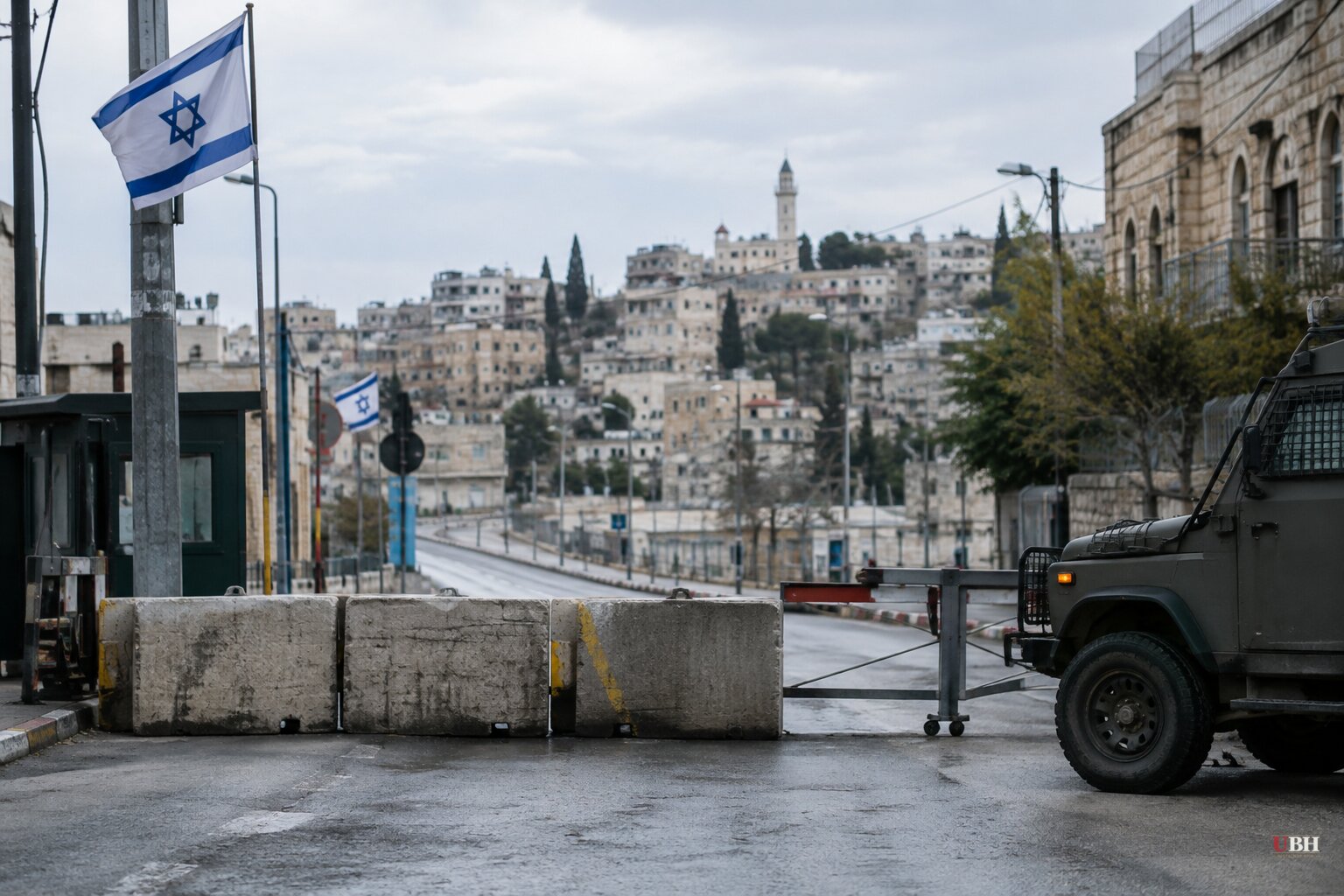
Since two Israeli soldiers were shot dead at a checkpoint near Hebron on October 23, Israeli forces have kept the West Bank's largest city locked down. As of today, Nov. 1, that closure is in its 10th day, and Palestinian officials say families are still being pushed out of their homes.
What Israel says it is doing
The attack happened at a temporary military checkpoint near Yehuda Junction, outside Hebron. The IDF identified the dead as Staff Sgt. Ron Yonatan Roytman, 23, of Ashkelon, and Sgt. Yuval Shai Svilem, 20, of Hod Hasharon, both of the 775th Ari Battalion. Three more soldiers were wounded.
Israeli forces killed both gunmen after a firefight of more than 20 minutes. The IDF's preliminary investigation concluded the attackers had meant to hit civilians on a nearby highway and opened fire on the soldiers after running into the checkpoint. The military said they carried a large amount of ammunition.
Netanyahu ordered Hebron cordoned off that same day. He also told the IDF to prepare a closure of the wider West Bank, days before Israel's national election.
He went further in a later statement. "The defense minister and I have overseen the planning of a very extensive IDF operation in Judea and Samaria — on a scale not seen since the Six-Day War," Netanyahu said. "The IDF is ready to carry it out, and we will determine the timing, but it is coming."
He described the method: "We will evacuate the residents, go from house to house, remove the weapons there, and address and demolish all terrorist infrastructure."
IDF Chief of Staff Lt. Gen. Eyal Zamir said the military had reinforced the area, including with the headquarters of the 98th Division. Central Command chief Maj. Gen. Avi Bluth said forces were cordoning off Hebron and the neighboring town of Halhul. Finance Minister Bezalel Smotrich said heavy machinery was already working on demolitions of unauthorized structures near Hebron.
In the week before the attack, the IDF said it had run dozens of counterterrorism operations across the West Bank. It reported about 70 arrests and seizures of dozens of weapons, including M16 rifles and four explosive devices.
What Hebron's mayor says it is costing
Hebron Mayor Yousef al-Jabari gave Al Jazeera a damage tally on Saturday. His figures:
- Daily economic losses above 12 million shekels ($3.8 million).
- More than $1.9 million in infrastructure damage.
- About $160,000 in losses across the health and environmental sectors.
- 15 homes and other structures demolished.
- 327 businesses forced to close.
- About 80,000 students unable to attend school for 10 days.
The municipality says more than 3,300 Palestinians have been displaced or otherwise affected. Al Jazeera's own reporting puts the number forced to flee at 5,000, and describes Israel cutting off Hebron at 10 entrances. The two counts use different definitions, and neither has been independently confirmed.
Al-Jabari says Hebron accounts for about 40 percent of the Palestinian economy and calls the lockdown "collective punishment." Israel's stated purpose is to stop attacks launched from the area. Netanyahu has not described the closure as punitive. The mayor's loss figures are his own estimates and no Israeli agency has publicly responded to them.
Palestinian families in and around the city fear the army will widen its operation. Arrests continued Sunday. Israeli forces detained 10 Palestinian teachers in Masafer Yatta, south of Hebron, and seized their vehicle, according to the Palestinian news agency Wafa. Video verified by Al Jazeera showed Israeli troops raiding a UN-run school in the Shufat refugee camp in East Jerusalem.
Settler violence adds to the pressure
The Hebron closure is unfolding alongside a separate escalation. The UN humanitarian office, OCHA, said settlers carried out 397 attacks on Palestinians across the West Bank in October. That is the highest monthly figure since OCHA began monitoring in 2006.
Between October 20 and 26, settler attacks hit 49 Palestinian communities, mostly during the olive harvest. Fifty-seven Palestinians were injured by settlers and Israeli forces that week, including nine children. Thirty-four were hurt by military gunfire and physical assaults and 23 in settler attacks.
The United States has urged Israel to take stronger action against settler violence. France, Belgium and Poland also called on Israeli authorities to respond after their diplomats were attacked.
Separately, the Palestinian Authority's Colonization and Wall Resistance Commission says Israel has issued 9,518 demolition or stop-work notices against Palestinian property in the West Bank since the start of 2015. It says 344 of those came in the first nine months of this year.
What comes next
The attack that triggered the lockdown killed two young soldiers. It also, by the IDF's account, interrupted a larger planned assault on civilians. Those facts are not in dispute in the accounts from either side.
What remains open is scale and timing. Netanyahu has promised an operation larger than anything since 1967 and said the IDF will choose the moment. No date has been announced. Until it is, Hebron's economy, which the mayor says is losing more than 12 million shekels a day, its schools and its roads stay closed, and its residents wait to learn whether the next step is a lifted cordon or a house-to-house sweep.
Sources used for this briefing
7 links from 7 independent newsrooms (syndicated copies of the same report count once)
These are the sources it draws on, linked so you can verify.


