
Unbiased headlines. Facts, not spin.
Every story is an unbiased news briefing written from 110+ sources across the spectrum — sources linked so you can verify it yourself.
 health
Notable (6/10)
July 3, 2026 at 12:43 PM
health
Notable (6/10)
July 3, 2026 at 12:43 PM
Heat Dome Forces Philadelphia to Shorten July 4th Parade, Raises Worker Protection Questions Across the East
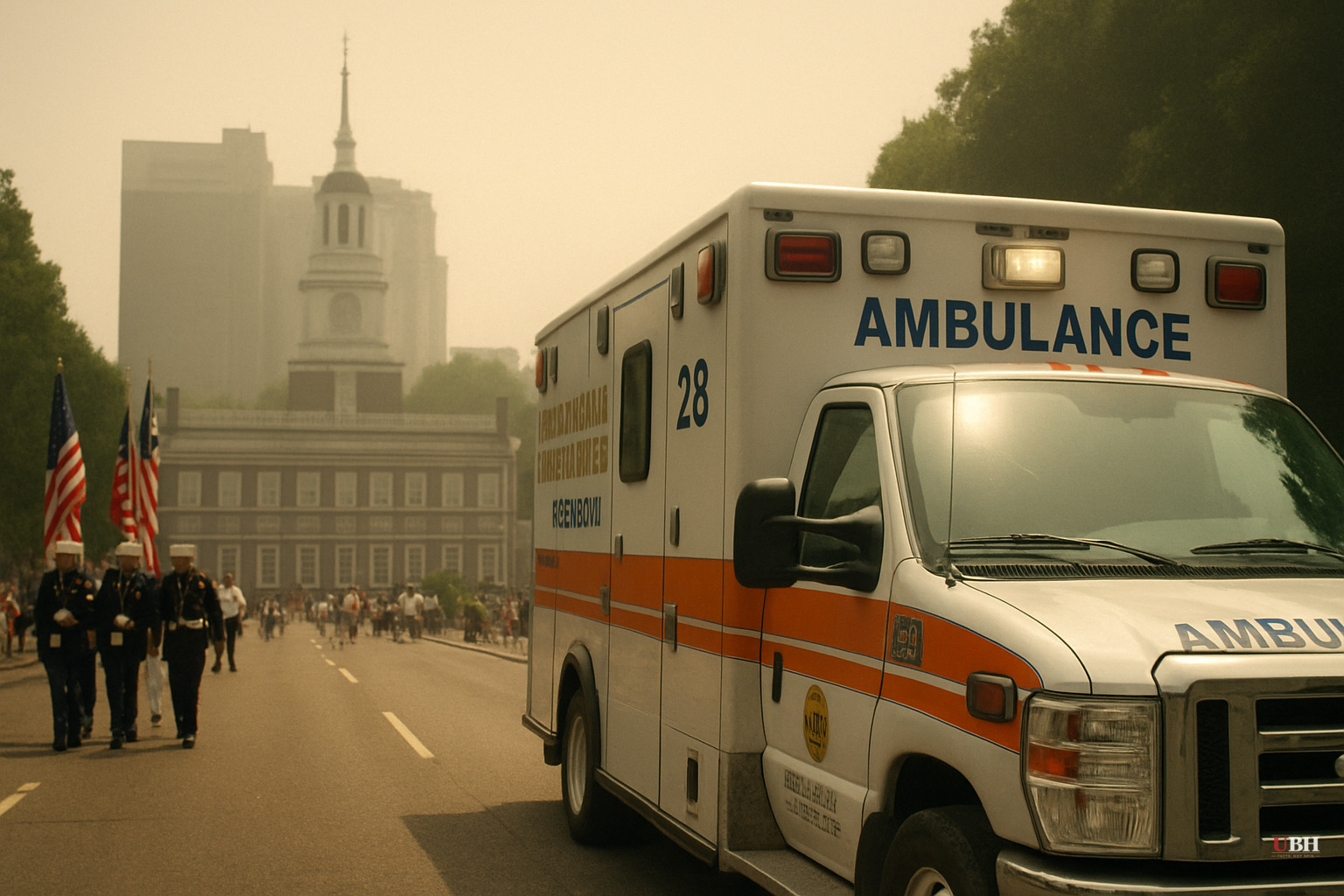
Since the heat dome settled over the eastern U.S. earlier this week, the pressure on outdoor events, workers, and public health infrastructure has mounted steadily heading into the July 4th holiday.
Philadelphia shortened its annual Fourth of July parade route because of the heat, according to NPR's Up First newsletter. The city was also hosting a FIFA World Cup match on July 4, which AP News flagged as potentially the hottest match-day conditions yet during this tournament.
The broader heat advisory covers large portions of the Midwest and Eastern U.S., according to NPR. Heat-related illness kills hundreds of Americans annually in ordinary summers. A multi-day dome like this one concentrates that risk.
The Worker Protection Gap
The more durable policy story running underneath the holiday heat coverage is what happens to people who can't go inside.
Construction crews, agricultural workers, delivery drivers, landscapers work in whatever conditions exist. Some states have enforceable heat protection standards: mandatory water breaks, shade requirements, acclimatization protocols for new workers. Others have nothing on the books.
Florida is the most concrete example in the other direction. According to NPR's Morning Edition report from July 3, Florida has rolled back worker heat protections that were previously in place. Many states have laws in place, but some, including Florida, have rolled them back.
That decision now looks harder to defend with a heat dome sitting over the region. Critics of the rollback argue the timing couldn't be worse. Supporters of the Florida approach argue that one-size-fits-all mandates impose costs on small businesses and that private employers have market incentives to keep workers healthy and on the job.
Employers who lose workers to heat stroke bear real costs: medical liability, turnover, lost productivity. The question is whether voluntary market pressure is sufficient when the worker is a low-wage day laborer with no leverage and no union, or whether some regulatory floor is necessary to protect people whose bargaining position is effectively zero. Heavy-handed mandates can harm small businesses. Some workers have no practical protection without a legal backstop. Both can be true at once.
OSHA has general duty requirements that technically require employers to protect workers from recognized hazards, including heat. But the agency has no specific heat standard. Enforcement depends on inspectors, complaints, and case-by-case adjudication. A formal federal heat rule has been in rulemaking for years without resolution.
That leaves the effective standard entirely up to states, which is why the Florida rollback matters. States that preempt local ordinances are also blocking cities and counties from filling the gap themselves.
Celebrations and the Heat
Beyond workers, the immediate public health concern on July 4, 2026, is the mass gatherings themselves. Fireworks shows, parades, outdoor concerts, and World Cup fan zones pack people together in the sun or warm evening air.
Philadelphia's decision to shorten the parade route is the most concrete mitigation step reported so far. Whether other cities will follow with cancellations or reductions through the holiday weekend was not confirmed in available reporting as of this morning.
NPR noted that hundreds of U.S. heat deaths occur in ordinary years. The combination of a sustained dome and a major holiday that pulls people outdoors compounds the cumulative exposure risk.
The Open Question
Florida's rollback of worker heat protections was a state-level political decision. It is now being stress-tested by actual conditions. Whether any heat-related worker injuries or deaths in Florida this week produce legislative or legal consequences, and whether OSHA's long-stalled federal heat rule gets new momentum from a high-profile holiday weekend, are the concrete unresolved questions coming out of this story.
Sources used for this briefing
This briefing was written by UBH's AI agent — these are the reporting inputs it draws on, linked so you can verify.


