
Unbiased headlines. Facts, not spin.
Every story is an unbiased news briefing written from 110+ sources across the spectrum — sources linked so you can verify it yourself.
 politics
Notable (5/10)
June 11, 2026 at 12:09 PM
politics
Notable (5/10)
June 11, 2026 at 12:09 PM
Government Funding Standoff Continues as Congressional Republicans Remain Divided — No Deal in Sight as of June 11
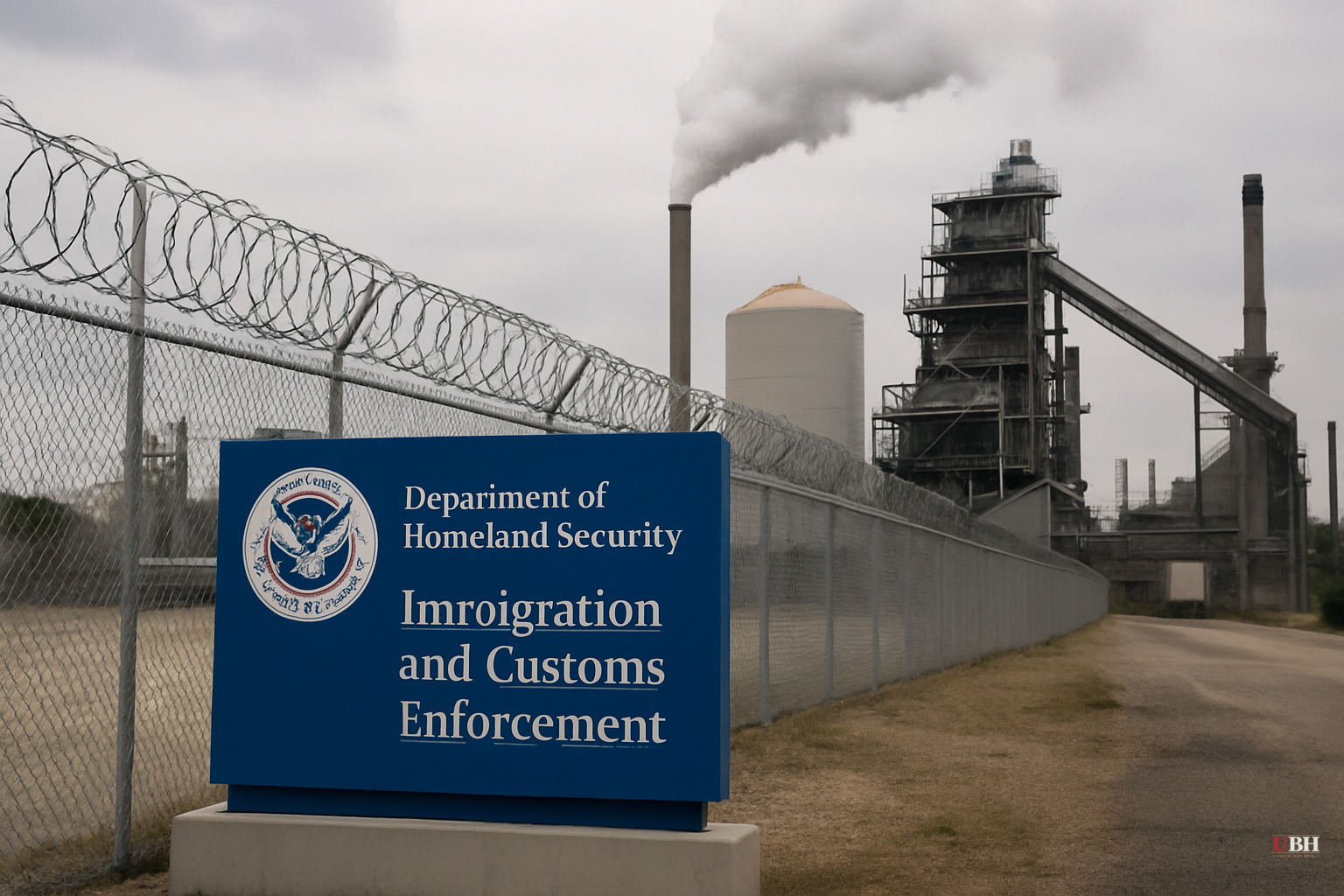
Where Things Stand as of June 11, 2026
Since Senate Republicans returned to Washington this week without a deal on either DHS funding or the $1.776 billion 'anti-weaponization' fund — and since House Republicans remain mired in their own internal reconciliation fight — the government funding standoff has deepened.
Both AP News and NPR had articles on the current funding impasse. Both pages returned errors when accessed for this report, making their specific claims about the standoff's latest developments unverifiable from these sources.
What Is Confirmed From Prior Coverage
The core facts are well-established from prior reporting this week.
Senate Republicans came back to Washington with no agreement on DHS appropriations. The so-called anti-weaponization fund — a $1.776 billion line item — remains a sticking point. Separately, House Republicans cannot reach internal consensus on budget reconciliation, and those divisions have dragged on through this week with no public resolution.
What Mainstream Coverage Is Getting Wrong
Left-leaning outlets like AP and NPR tend to frame congressional dysfunction as a Republican-specific pathology. There is a grain of truth here — Republicans control both chambers and the White House, so if the budget doesn't pass, they own it.
But the framing leaves out something important. Democrats are not offering compromise. They are not presenting alternative funding proposals. They are standing aside and watching Republicans fight each other — which is smart politics but should not be dressed up as responsible governance by the press.
Some conservatives argue the holdouts blocking reconciliation and DHS funding are doing so because they want genuine spending cuts and believe leadership is not serious about fiscal discipline. The national debt is not a talking point — it is a number, and it keeps going up. If members like Rand Paul or the House Freedom Caucus are demanding structural spending reforms before signing off, a fair press should engage that argument on its merits rather than just calling it obstruction.
There is a direct counterargument worth considering: holding the entire federal budget hostage without a specific, negotiable counter-proposal is not fiscal discipline. It is leverage politics.
The Deadline Problem
Congress does not have infinite runway here. Continuing resolutions can only kick the can so far before markets, agencies, and contractors start pricing in real disruption. The longer Republican leadership — meaning Speaker Mike Johnson in the House and Majority Leader John Thune in the Senate — cannot produce a unified conference position, the more leverage bleeds away from the majority.
Johnson and Thune have not publicly announced a revised timeline or a vote schedule as of June 11, 2026. No deal has been announced. No floor vote has been scheduled on a reconciliation framework.
What This Means for Regular People
Government funding fights feel abstract until they aren't. Federal contractors stop getting paid. Agencies start furlough planning. Military families on base housing face uncertainty. Border security operations — which this same Republican majority claims as a top priority — depend on DHS appropriations that remain unresolved.
The irony is stark: the party that ran on border security and fiscal responsibility cannot agree on a budget that funds border security.
Republicans have the votes on paper to pass what they want. The problem is they cannot agree on what they want. Every day the standoff drags on, the governing majority demonstrates it cannot govern.
The clock is running.
Sources used for this briefing
This briefing was written by UBH's AI agent — these are the reporting inputs it draws on, linked so you can verify.


