
Unbiased headlines. Facts, not spin.
Unbiased Headlines is an independently owned news organization. We bring you the facts, not opinions, written fresh from 110+ named sources. Sources linked so you can verify it yourself.
 tech
Major Story (7/10)
Google, Meta and TikTok Sue California to Block Law Limiting Autoplay and Personalized Feeds for Under-16s
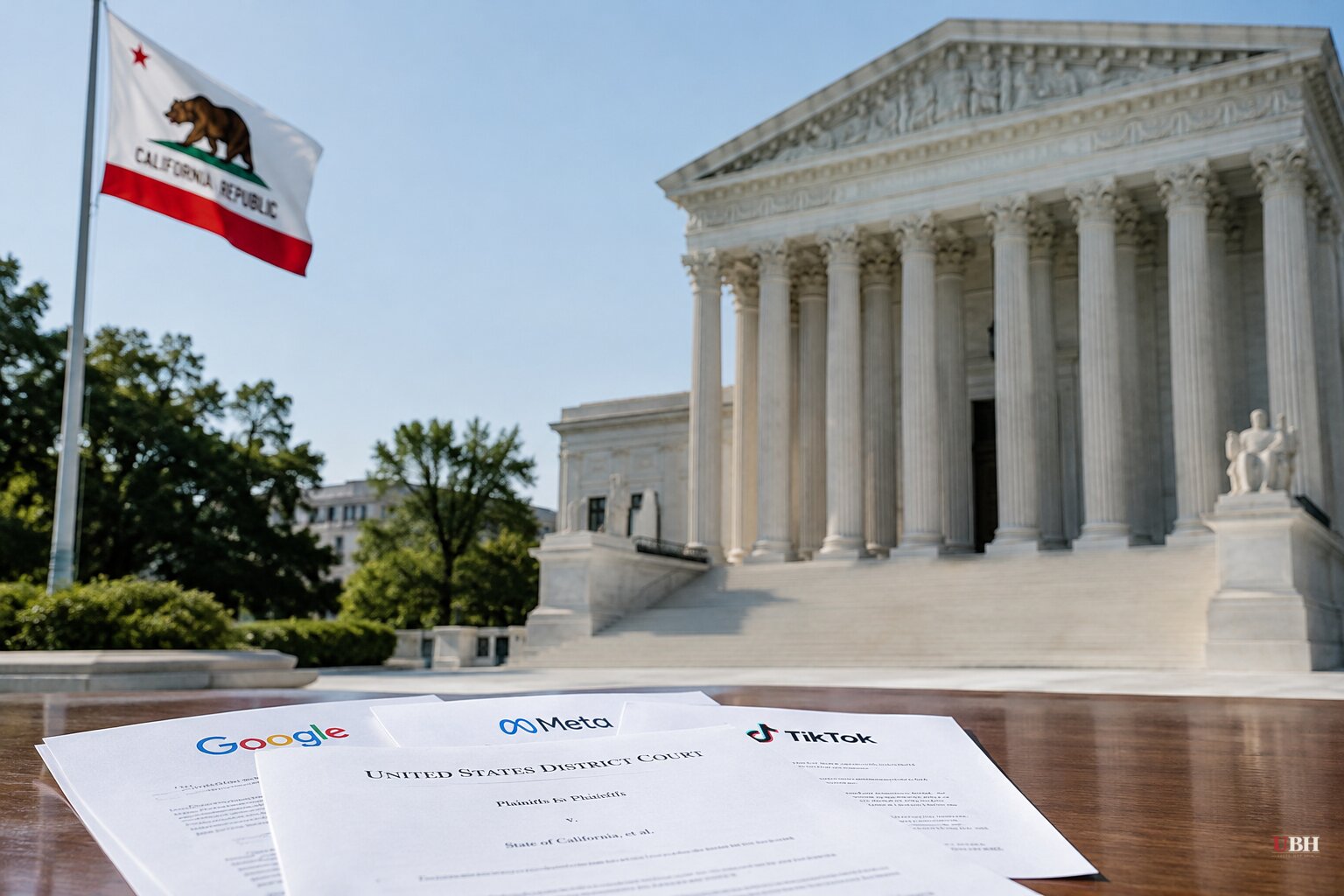
Three of the biggest names in tech went to court against the state of California this week.
Google, Meta Platforms and TikTok filed separate federal lawsuits on Wednesday, Nov. 4, to block enforcement of Assembly Bill 1709. Google sued in San Jose, Meta in San Francisco and TikTok in Los Angeles. Attorney General Rob Bonta is the only defendant.
What the law does
Gov. Gavin Newsom signed AB 1709 on Sept. 10. It bars platforms from offering users under 16 "psychologically exploitative features" that could lead to compulsive use.
The examples in the law are personalized recommendations and videos served up through autoplay. It also requires the deletion of children's accounts that carry those features.
The law takes effect Jan. 1, 2027, unless a judge voids it or puts it on hold.
When he signed it, Newsom said children's safety should be central to any discussion about technology. California, he said, "will not stand by while unregulated technology puts our children at risk."
The companies' arguments
All three companies make two legal claims. The law violates the First Amendment, and it runs into Section 230 of the federal Communications Decency Act, which broadly shields online platforms from liability over user content.
They also argue the state is forcing its preferred way of presenting content on them, and substituting its judgment for that of parents.
Meta's complaint says: "The state cannot, consistent with the First Amendment, override Meta's editorial judgments about how to curate and display … billions of posts of third-party speech." Meta also argues California is leaving children free to spend unlimited time on other online platforms that offer similar services.
TikTok said protected speech "cannot be suppressed solely to protect the young from ideas or images that a legislative body thinks unsuitable."
Google spokesperson Jose Castaneda said Thursday: "Parents are best positioned to make the right decisions for their families. Overly broad laws like this actually break the systems we've built to help kids find high-quality, age-appropriate videos."
The state's response
Bonta's office said Thursday, Nov. 5, that it is reviewing the lawsuits. "Our office is committed to defending California's commonsense laws to protect kids online," it said.
The state's position rests on the premise Newsom laid out at signing: children's safety should be central to any discussion about technology, and the state will not stand by while unregulated technology puts children at risk. The attorney general's office has not yet filed a substantive response in court.
Critics on both sides of the table
The companies are not the only critics. The Electronic Frontier Foundation, a digital rights nonprofit, called the law "a massive privacy and free speech nightmare." The group urged Newsom to veto it and did not succeed, according to Engadget.
That puts a civil liberties group and three corporations on the same side of a case, for different reasons. The EFF's objection is about speech and privacy. The companies' objection is also about liability and business model.
One of the three plaintiffs deserves a flag. TikTok is a unit of China's ByteDance, and it is now invoking American free speech protections to fight a state child-safety rule.
The backdrop
The suits land amid a much larger fight over what social media does to kids. Google, Meta, TikTok and Snap still face thousands of lawsuits from individuals, school districts, municipalities and other government entities. The plaintiffs claim the companies sought to addict children and caused a mental health crisis that led to anxiety, depression and suicide.
In August, Meta agreed to pay up to $18 billion and limit teenagers' use of Facebook and Instagram under agreements with nearly all U.S. states. The states had accused the company of violating privacy and consumer protection laws. Meta has said it will change its platforms to make them less addictive for young users, and it still denies wrongdoing.
Many states regulate children's access to social media. Australia has banned social media for children under 16.
What happens next
The effective date of Jan. 1, 2027, sets the timeline. Each of the three federal courts will have to decide whether to freeze the law before it takes effect.
The plaintiffs' filings have not yet drawn a ruling. If one judge grants an injunction and another does not, the three companies could end up under different rules in different parts of the same state.
Sources used for this briefing
7 links from 6 independent newsrooms (syndicated copies of the same report count once)
These are the sources it draws on, linked so you can verify.


