
Unbiased headlines. Facts, not spin.
Unbiased Headlines is an independently owned news organization. We bring you the facts, not opinions, written fresh from 110+ named sources. Sources linked so you can verify it yourself.
 tech
Major Story (7/10)
Chinese AI Lab Moonshot Discussed Renting Nvidia Blackwell Capacity in Europe, Sources Tell CNBC
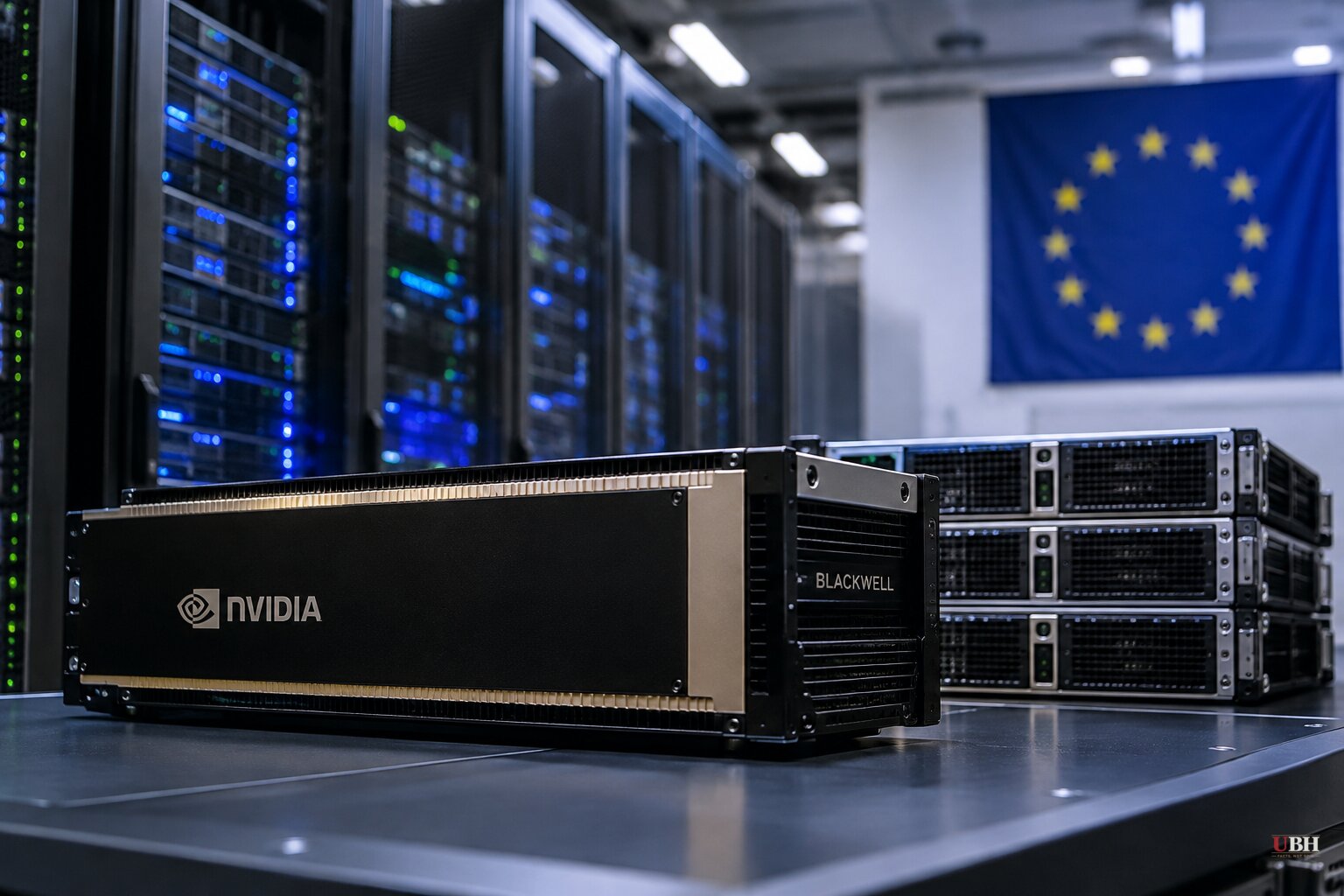
Moonshot AI, the Chinese lab behind the Kimi models, has discussed renting access to Nvidia's Blackwell chips through data centers in Europe, according to four people familiar with the matter who spoke to CNBC on condition of anonymity. The report was published today, Nov. 5.
No completed lease has been reported. The sources did not name the neocloud operators involved or the countries where the chips sit.
What the talks reportedly covered
Three of the four sources said Moonshot wanted Blackwell-powered systems. Those chips are under U.S. export controls that effectively bar them from being shipped to China.
Two sources said the interest was in inference clusters, meaning the hardware that serves a trained model to users. One source said they were also aware of interest in training clusters.
One source said talks have involved clusters of 8,000 or more Blackwell GPUs. That source described Moonshot as "very aggressive" in chasing more computing power.
One source said talks on European capacity took place after the White House said in July that Moonshot had accessed Blackwell chips through a facility in Thailand. That July statement is a White House allegation. Moonshot did not comment on it at the time.
Moonshot, Nvidia, the White House, the Commerce Department, China's embassy in the U.K. and China's Foreign Ministry did not respond to CNBC's requests for comment on the new report.
Renting the chips, not shipping them
The arrangement described is simple. A Chinese company contracts with a non-Chinese neocloud or data center operator that can legally buy advanced chips. The hardware stays overseas. The customer pays for the computing it uses.
U.S. export controls restrict shipments of the most advanced Nvidia chips to China. Current law does not give regulators broad authority over access to those chips through cloud services hosted abroad. Nothing in the reporting alleges that a European provider has broken any rule by talking to a Chinese customer.
One source said a proposal called for Moonshot to pay 30% to 50% more upfront than a non-Chinese customer would. Upfront payments are typically a share of a contract's lifetime value. Larger payments up front reduce a provider's exposure if remote-access deals are later banned. CNBC did not report that Moonshot accepted those terms, and the 30% to 50% figure rests on one source.
Why Moonshot wants the capacity
Moonshot released its Kimi K3 model in July. The company said it closed the gap with leading systems from Anthropic and OpenAI. On July 19, Kimi announced that demand over the previous 48 hours had approached its GPU capacity limits. It paused new subscriptions and said it would add capacity as fast as it could.
That is a company short on compute. It also explains why inference capacity would be a priority.
Chinese developers have made notable capability gains over the past six months, according to CNBC. American labs such as OpenAI and Anthropic are competing with them on both model training and pricing.
Washington's unfinished fix
Congress has a bill aimed at this gap. The Remote Access Security Act would extend U.S. export controls to cloud-based access to critical hardware and software. The House passed it in January. The Senate has not voted on it.
That is roughly ten months in which the loophole has stayed open. Export controls are only as good as the law behind them, and the law covers shipments, not rentals.
The Financial Times has separately reported that Nvidia told cloud providers to keep at least 51% of their services for non-Chinese customers. Nvidia did not respond to CNBC on the Moonshot talks. The company's position on remote access by Chinese customers is not laid out in the reporting.
What is still unknown
It is not known whether any of these discussions turned into signed contracts. Neither Moonshot nor any European provider has said so. The White House has not publicly addressed the new report, and the Commerce Department has not said whether it is reviewing remote-access arrangements.
The next concrete marker is the Senate. Until it takes up the Remote Access Security Act, the legal question of whether Chinese labs can rent Blackwell capacity abroad is answered by the current statute, which does not prohibit it.
Sources used for this briefing
7 links from 5 independent newsrooms (syndicated copies of the same report count once)
These are the sources it draws on, linked so you can verify.


