
Unbiased headlines. Facts, not spin.
Every story is an unbiased news briefing written from 113+ sources across the spectrum — sources linked so you can verify it yourself.
 finance
Major Story (7/10)
September 30, 2026 at 12:11 PM
finance
Major Story (7/10)
September 30, 2026 at 12:11 PM
Goldman Sachs Collected Over $200 Million in Fees From a Hedge Fund That Crashed From $45 Billion to $10 Billion
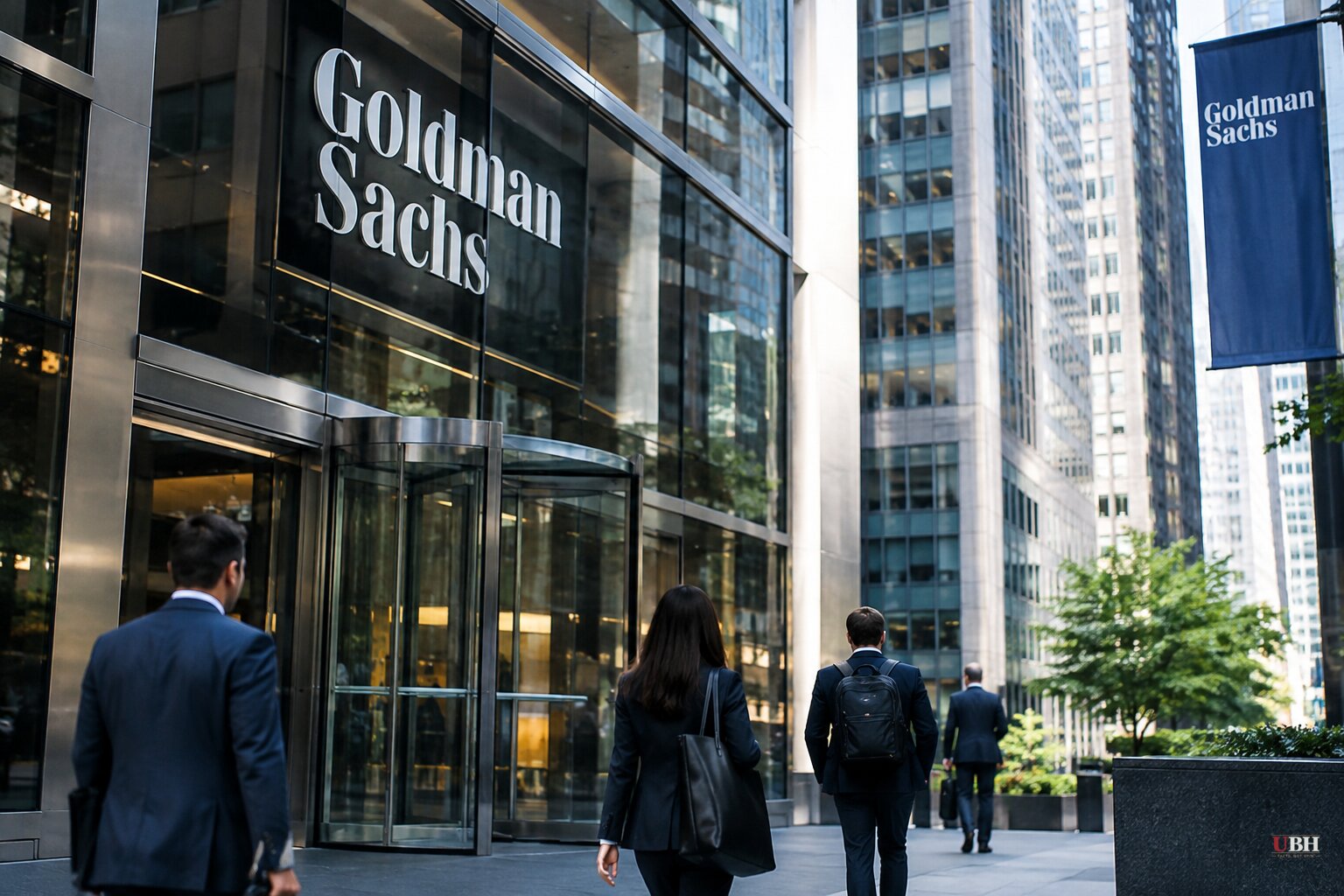
Goldman Sachs generated more than $200 million in prime-brokerage fees this year from a single hedge fund client, the Financial Times reported, citing people familiar with the matter. That client, Situational Awareness LP, was a two-year-old fund with just eight employees and represented Goldman's biggest hedge-fund financing relationship in 2026, ahead of established giants like Citadel and Millennium, according to Hedgeweek's reporting on the FT story. Goldman has not disclosed the figure itself.
The fund's founder is Leopold Aschenbrenner, a 24-year-old who graduated valedictorian from Columbia at 19 and was fired from OpenAI's Superalignment team in April 2024. He launched Situational Awareness later that year, building on an AGI forecasting essay of the same name. Early backers included Stripe co-founders Patrick and John Collison, former GitHub chief executive Nat Friedman, and investor Daniel Gross. Jane Street later joined as a backer too, an unusual move for a firm that rarely invests in outside managers.
A bet that worked, until it didn't
The fund ran concentrated, leveraged positions in AI infrastructure: chips, power, and data centers. Leverage reportedly reached close to 4x capital, meaning roughly three borrowed dollars for every dollar the fund put up itself. From its July 2024 launch through the end of June 2026, the fund posted returns exceeding 1,000%, according to the Wall Street Journal. Assets grew from several hundred million dollars to roughly $45 billion.
The fund's SEC filing for the quarter ending June 30, submitted August 14, showed $20.24 billion in reportable U.S. securities, with SanDisk and Micron Technology alone accounting for 55.6% of that total. But that figure was never the fund's actual size. Quarterly 13F filings only capture long, U.S.-listed public positions, meaning holdings like SK Hynix, which trades in Seoul, plus private stakes, short positions, and leverage never showed up on the form.
July brought the reversal. SanDisk fell nearly 47% that month and Micron dropped roughly 29%, according to Quartz. Bloom Energy slid 32%, and CoreWeave and SK Hynix each fell about a third. An investor letter reviewed by Reuters put the fund's portfolio decline at 67% for the month. Lenders including Bank of America, JPMorgan Chase, and Goldman issued margin calls on stock used as collateral, forcing a distressed sale.
Situational Awareness sold roughly $16 billion in public holdings to Ken Griffin's Citadel at a discount. Citadel then unwound more than 80% of the risk it absorbed through over 100 block trades worth more than $4 billion, according to Quartz. JPMorgan stopped lending to the fund afterward; Goldman did not. The fund's remaining book settled at roughly $8 billion to $10 billion, down from a reported peak near $45 billion.
What's left, and what comes next
Aschenbrenner told investors in July that the fund would stop using borrowed money to increase position sizes, a shift Hedgeweek noted should shrink future financing fees for Goldman going forward. The fund retained its stake in Anthropic, and Aschenbrenner separately made a $400 million investment in an undisclosed private company, per Quartz. He has also opened a new brokerage relationship with Clear Street.
By late September, Situational Awareness was back in the market, buying options in Advanced Micro Devices, Bloom Energy, CoreWeave, SK Hynix, and SanDisk, along with the Roundhill Memory ETF, according to CNBC's reporting carried by Quartz. Whether that's funded by surviving assets or fresh investor capital is unclear.
The SEC sent subpoenas to Goldman, JPMorgan, Citigroup, and Bank of America seeking details on their dealings with the fund, Quartz reported. No investigation has been formally announced, and neither the banks nor Situational Awareness have been accused of wrongdoing. "We are a highly regulated business and will cooperate to the fullest extent with any regulatory request," a fund spokesman said in a statement.
Aschenbrenner correctly identified the AI infrastructure boom two years before most of Wall Street took it seriously, and investors who stuck with the fund from inception still held triple-digit returns even after the July wipeout. Leverage cuts both ways, and for most of the fund's life it cut in his favor.
The comparison to Warren Buffett's line about finding out who's swimming naked when the tide goes out is instructive. Retail products like ProShares Ultra Semiconductors, a 200%-leveraged ETF that lost a third of its value in a single week in late July before rebounding days later, show that ordinary investors are chasing the same volatility with none of Aschenbrenner's information edge.
Anthropic, in which Situational Awareness still holds a private stake, disclosed in its own public offering filing that autonomous AI agents built on its technology carry legal risk, since "errors, misalignment, or security exploits may result in real-world consequences," according to Reuters reporting carried by Fox News. FTC Chairman Andrew Ferguson said last week that liability for AI agents acting unpredictably ultimately rests with developers and deployers, not some notion that the tools "broke loose" on their own. President Trump signed an executive order this week renaming artificial intelligence "Super Intelligence" across federal agencies, with 60 days for officials to draft legislative language defining the term.
Micron, one of the two stocks that made up more than half of Situational Awareness's disclosed public book before the crash, is scheduled to report quarterly earnings after markets close today, September 30. That result will offer the next real-time read on whether the memory-chip demand thesis that built Aschenbrenner's fund, and nearly destroyed it, still holds.
Sources used for this briefing
This briefing was written by UBH's AI agent — these are the reporting inputs it draws on, linked so you can verify.


