
Unbiased headlines. Facts, not spin.
Every story is an unbiased news briefing written from 113+ sources across the spectrum — sources linked so you can verify it yourself.
 finance
Notable (6/10)
September 30, 2026 at 09:56 AM
finance
Notable (6/10)
September 30, 2026 at 09:56 AM
BofA and Nomura Split on How Hard India's Central Bank Will Hike Rates Starting October
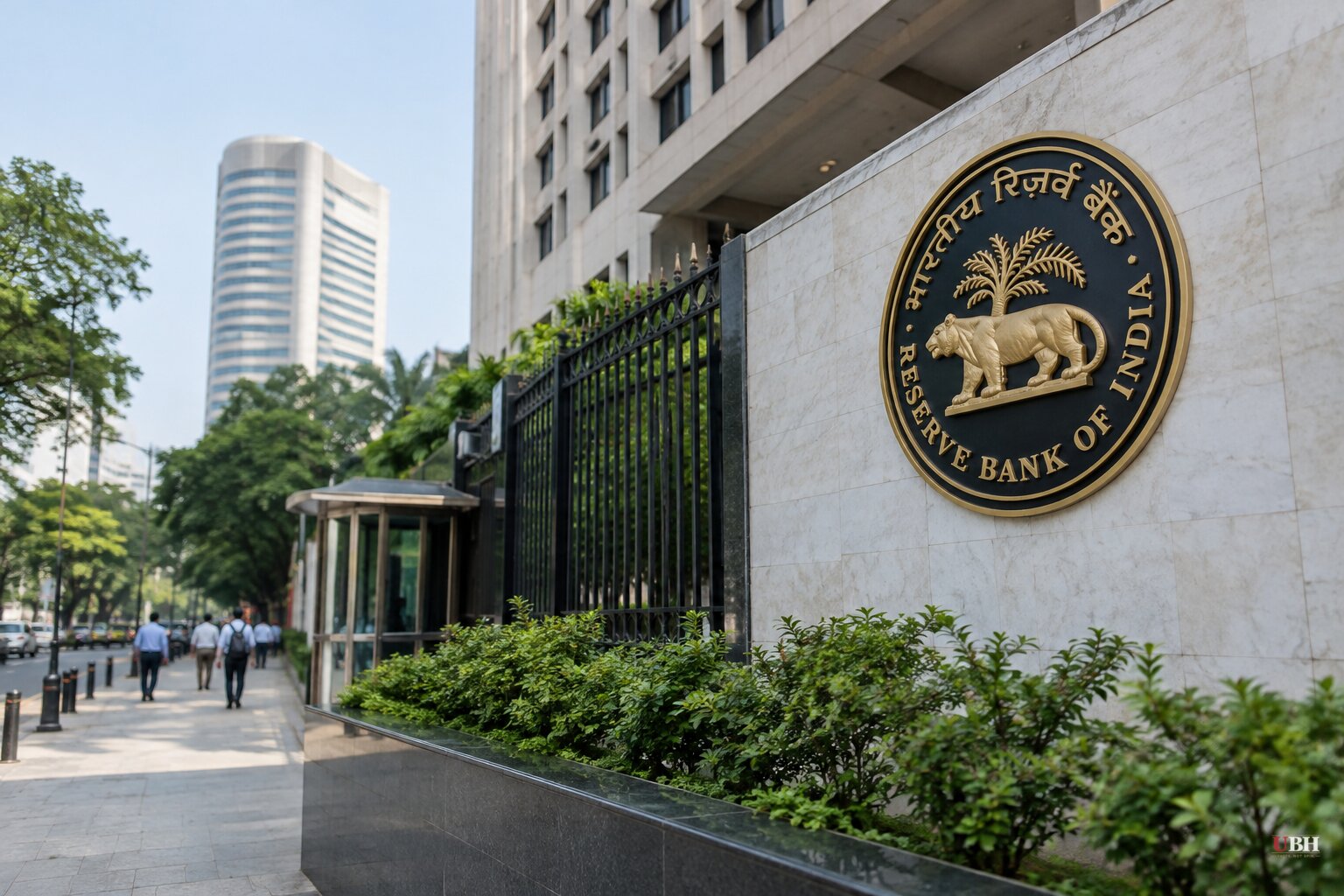
The Reserve Bank of India is about to start raising interest rates for the first time in years. Two of the biggest names on Wall Street agree on the timing. They don't agree on the size.
Bank of America Securities now expects the RBI to hike its repo rate by 25 basis points at the October 7 policy meeting, according to a report cited by the Times of India and IANS. BofA had previously penciled in December for the first move and 50 basis points total. Now it's calling for 100 basis points through the first half of 2027, taking the repo rate to 6.25 percent. "Our bigger forecast shift is arguably the quantum of hikes," BofA said in the report, doubling its earlier estimate.
Nomura, the Japanese brokerage, sees a smaller move. In a report cited by Business Standard and Rediff Money, Nomura projects 25 basis point hikes in both October and December, landing at a terminal rate of 5.75 percent. Nomura flagged "some risk of a one-and-done hike" and said the odds of further tightening fade after February 2027 as consumer spending softens.
Both banks point to the same pressures. Oil has been sitting around $100-110 a barrel for most of September, according to BofA. Nomura pinned food inflation as "the biggest risk to the near-term inflation outlook," tied to deficient monsoons and poor kharif sowing. Nomura forecasts headline CPI inflation climbing from 4.8 percent year-on-year in August to 6.3 percent in the fourth quarter before easing back below 4 percent in the second half of 2027.
Growth is the other half of the story. India's real GDP grew 7.8 percent year-on-year in the second quarter, per Nomura, and credit growth is running at 19.1 percent year-on-year in August. BofA cited non-food credit growth of 17.8 percent as evidence the RBI has less reason to keep policy loose. Both banks flagged a slower burn on the horizon too: India's software-services trade surplus, a major growth engine, slipped to $51.4 billion in the second quarter of 2026 from a peak of $53 billion at the end of 2025, which Nomura linked to the impact of AI on the services sector.
The RBI has already been tightening liquidity ahead of any formal rate move. The central bank sold ₹25,000 crore in government securities on September 21 to soak up surplus cash in the banking system, according to Awaz The Voice. BofA expects the RBI to formally shift its policy stance to "calibrated tightening" in December.
Other forecasters cluster around the same October start date with their own numbers: Fitch has pegged an October hike to 5.5 percent while raising its FY27 GDP forecast to 6.9 percent, and ANZ Research's Richard Yetsenga has floated hikes as large as 75 basis points while arguing Indian growth would hold up regardless, according to reports aggregated by klftimes.
The pushback on rate hikes as a fix
There's a legitimate case that hiking rates does little for supply-driven inflation. In the United States, where the Federal Reserve under Chairman Kevin Warsh raised its benchmark rate a quarter point to a range of 3.75 to 4 percent this week, Selma Hepp, chief economist at Cotality, raised exactly that concern to NPR: "A rate hike is unlikely to lower gasoline prices, reduce tariff-related costs, or accelerate homebuilding, but it will further dampen housing demand and delay a broader market recovery." The same logic applies to India, where oil and food, not easy money, are doing most of the damage to the inflation numbers. Raising the repo rate won't fix a bad monsoon.
The counterargument, made by the central bankers themselves, is that waiting risks letting inflation expectations get baked in. Warsh told an audience at Jackson Hole that "the responsibility for 65 months of sustained, elevated inflation sits squarely with the central bank" and that the Fed needed to be confident inflation was heading to target "clearly and at sufficient speed." BofA made the same case for India, arguing that with credit demand improving and pricing power returning to Indian companies, "the need to keep monetary conditions accommodative has gone away."
CNN reported a wrinkle that could complicate both central banks' math: the massive buildout of AI data centers, running at an estimated $800 billion in spending and projected to hit $1.1 trillion by 2030 according to PricewaterhouseCoopers, is competing for chips, power and skilled labor in a way that could push prices higher regardless of rate policy. New York Fed President John Williams named that as his top inflation concern, per CNN.
The RBI's Monetary Policy Committee meets October 7, 2026. That decision will tell us which brokerage got closer to the mark, and whether the RBI Governor sides with BofA's aggressive call or Nomura's more measured one.
Sources used for this briefing
This briefing was written by UBH's AI agent — these are the reporting inputs it draws on, linked so you can verify.


