
Unbiased headlines. Facts, not spin.
Unbiased Headlines is an independently owned news organization. We bring you the facts, not opinions, written fresh from 110+ named sources. Sources linked so you can verify it yourself.
 finance
Major Story (7/10)
Event date: July 11, 2026 ·
finance
Major Story (7/10)
Event date: July 11, 2026 ·
Goldman Sachs: AI Spending, Not the Fed, Is Now Driving U.S. Borrowing Costs
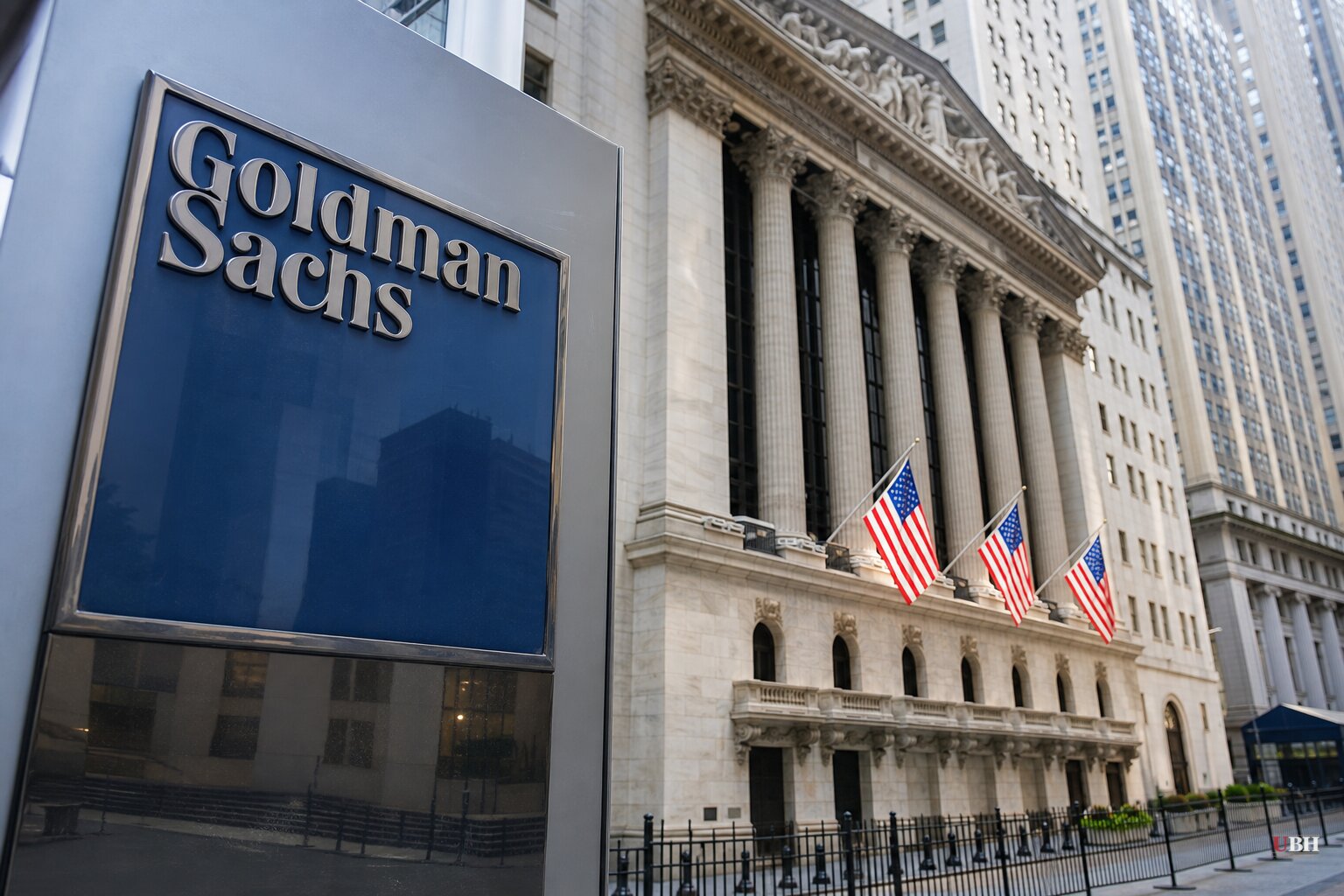
Since Goldman Sachs first flagged hyperscaler capex as a market-moving force earlier this year, the bank has escalated that view into something blunter: AI spending, not the Federal Reserve, is now the dominant force shaping U.S. interest rates.
Goldman projects U.S. AI investment will hit $581 billion in 2026, with global spending nearing $1 trillion, according to Crypto Briefing. Other Wall Street estimates run even hotter. Amazon, Microsoft, Alphabet, Nvidia and Meta combined could spend as much as $1.4 trillion by 2027, and research firm Gartner projects global AI spending will reach $2.5 trillion this year, according to Public Affairs Brussels.
The bond market is already bending
The evidence shows up directly in Treasury markets. On Aug. 13, the Treasury Department sold $25 billion in 30-year bonds at 5.216%, the highest rate since 2001, according to Andrew Moran of the Epoch Times. Treasury Secretary Scott Bessent has downplayed the move as thin August trading, but Moran reports market watchers see it as a signal of mounting worry over inflation, fiscal strain and corporations issuing debt to fund AI buildouts.
Goldman Sachs now expects U.S. dollar investment-grade bond issuance to hit $2.3 trillion in 2026, up from an earlier $2.1 trillion estimate, according to Cryptopolitan. Roughly 24% of this year's U.S. investment-grade bond volume has come from AI-related issuers, versus just 6% in Europe. Amazon and Alphabet top the list of corporate bond issuers this year, and hyperscalers are increasingly tapping euro-denominated credit markets too.
The European Central Bank has taken notice. In a blog post cited by Cryptopolitan, ECB authors warned that U.S. tech companies could push up interest rates for businesses everywhere by commanding such a large share of the bond market that the pain spreads into government and agency debt.
The Fed is quietly changing its own playbook
The Fed's balance sheet tells a related story. Its Treasury bill holdings jumped 130% since the start of 2026, from about $233 billion to nearly $538 billion by the week ending Aug. 20, according to the Epoch Times. Total Fed holdings have risen 2% this year to above $6.74 trillion, the highest since March 2025, while purchases of longer-dated notes and bonds have barely moved. That shift followed a December decision to stop shrinking the balance sheet and let long-term securities roll off. Meanwhile Treasury issued roughly $413 billion in net new T-bills from January through July and plans to borrow more than $1.3 trillion in the coming months, per its Aug. 3 refunding estimates.
Is AI starving everything else?
Goldman's own economists, Jessica Rindels and David Mericle, have flagged a real risk that AI investment could crowd out capital for other productive sectors and become a drag on growth, according to Public Affairs Brussels. Apollo Global Management's Torsten Slok estimates hyperscaler capex will reach roughly 3% of GDP annually between 2027 and 2029, up from just 0.3% in 2019 and 1.4% in 2025.
The counterargument, also from Wall Street, is that this spending is itself the growth. Morgan Stanley estimates AI capital expenditures could add as much as 2.5% to U.S. GDP growth this year and more than 3% in 2027. AI accounted for 65.4% of U.S. venture capital deal value in 2025, according to the same Public Affairs Brussels report, which is either a sign of a transformative technology attracting capital where it's most productive, or evidence that biotech, greentech and other fields are getting starved out, depending on which side of that argument you find persuasive. The sources don't resolve it either way.
Goldman's Asia strategist Timothy Moe is fully on the bullish side of that bet. The bank is holding its 12,000 Kospi target, implying roughly 80% upside, on the view that global data-center demand for memory chips will keep driving South Korean earnings even after the index fell 27% from its June record, Bloomberg reported. Moe now estimates U.S. Big Tech capex next year at $1.2 trillion, up sharply from a prior $800 billion forecast.
The money is also flowing into Washington
The same industries reshaping bond markets are reshaping campaign finance. U.S. companies spent a record $517 million on 2026 House and Senate races in the 15 months through the first quarter, already exceeding the $461 million spent over the full 2024 cycle, according to Reuters reporting carried by the Daily Signal, citing data from Public Citizen. Crypto, tech and online gaming firms accounted for at least $294 million of that.
Public Citizen research director Rick Claypool argues the spending crowds out attention from kitchen-table issues like grocery prices in favor of niche regulatory fights over crypto and AI. Industry supporters counter that it simply gives fast-growing sectors a voice that oil, pharma and finance have had for decades. Neither claim is something these sources prove or disprove. It's a fight over priorities, not facts.
The next test of Goldman's thesis comes Sept. 16, when the Federal Reserve's rate-setting committee meets under Chairman Kevin Warsh. Whether Warsh and his colleagues acknowledge that hyperscaler debt demand is now competing with or overriding their own policy lever remains an open question the meeting could settle one way or the other.
Sources used for this briefing
7 links from 7 independent newsrooms (syndicated copies of the same report count once)
These are the sources it draws on, linked so you can verify.


