
Unbiased headlines. Facts, not spin.
Every story is an unbiased news briefing written from 110+ sources across the spectrum — sources linked so you can verify it yourself.
 finance
Breaking / Critical (9/10)
July 22, 2026 at 06:28 AM
finance
Breaking / Critical (9/10)
July 22, 2026 at 06:28 AM
Gold Tops $4,100 as US Strikes Iran for 11th Straight Night, Fed Rate-Hike Odds Hit 88%
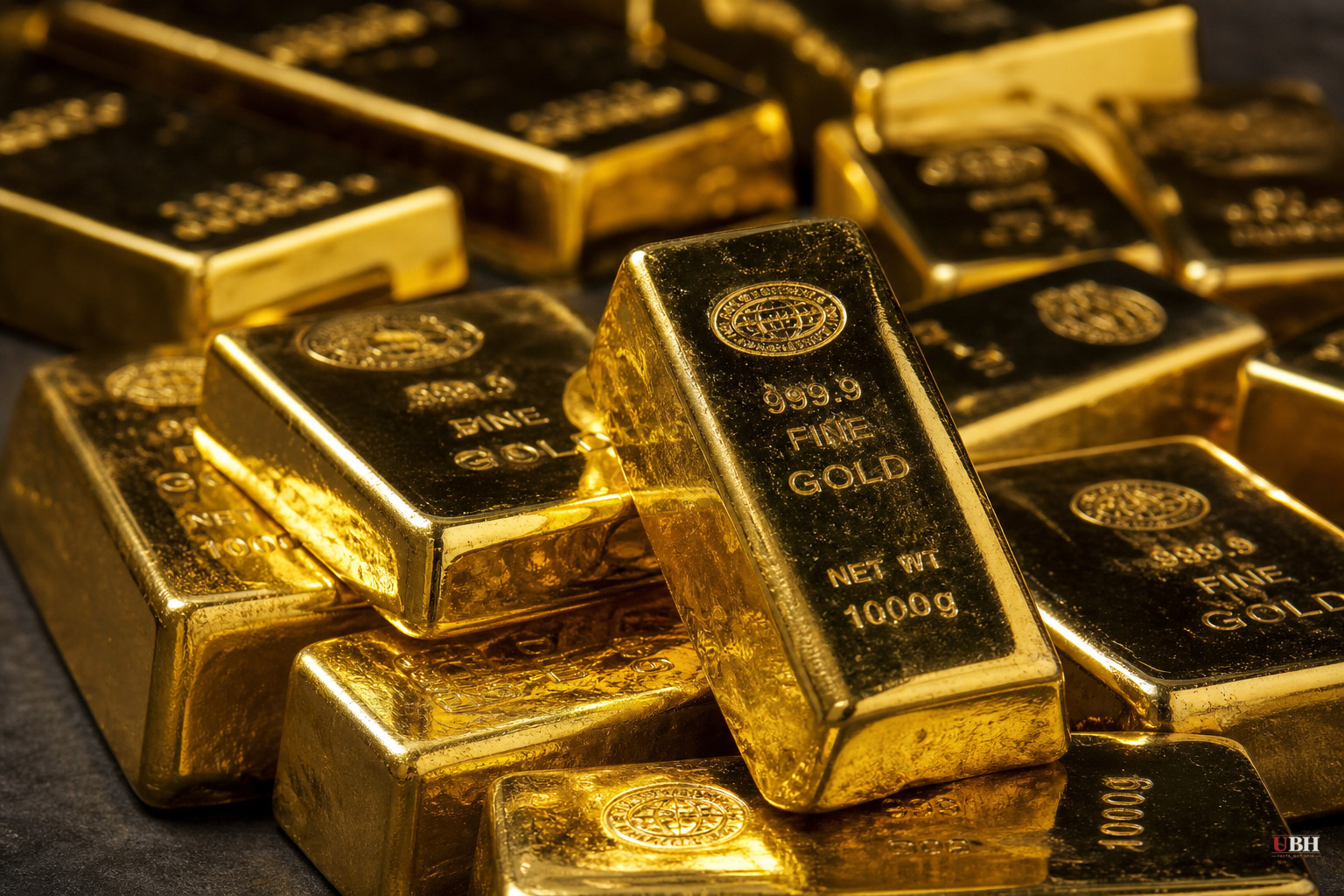
Gold pushed to a two-week high above $4,100 an ounce Wednesday, extending a rebound that began after the metal dipped to the $4,000 level earlier this week, according to FXStreet. The move came as US Central Command carried out its 11th straight night of airstrikes on Iran, hitting aircraft hangars and drone storage sites, per the same reporting.
Markets are pricing a shooting war in the world's most important oil chokepoint.
The military situation is escalating, not cooling off
President Trump declared the earlier ceasefire with Iran over, and CENTCOM has bombed Iranian targets every night since, according to FXStreet. Trump warned that US strikes would intensify and hit any site where Iran attempts to rebuild its nuclear program.
Iran is not sitting still. Tehran's forces struck US military assets in Bahrain, Kuwait and Jordan, FXStreet reported. Iran also said it hit two oil tankers attempting to transit the Strait of Hormuz. Yemen's Houthis, aligned with Iran, opened a new front entirely, declaring a naval blockade against Saudi Arabia.
This is now a multi-country confrontation touching the Gulf's core shipping lanes, not an isolated exchange of fire.
Why gold is rallying and the dollar is not
The US Dollar has drifted lower after a four-day uptrend, according to FXStreet, on hopes that diplomacy could still de-escalate things. Secretary of State Marco Rubio said Sunday the US remains open to talks with Iran, and Iran's Interior Minister Eskandar Momeni asked Pakistan to keep working the back channel. Mediators are reportedly still trying to get both sides back to a table, FXStreet reported.
That diplomatic sliver of hope is exactly why gold isn't spiking in a straight line. Ewa Manthey, commodities strategist at ING, told FXStreet the buying pattern "looks more like dip-buying than a response to new headlines," with the broader macro backdrop largely unchanged.
Technically, gold broke through the 38.2% Fibonacci retracement of its mid-June downturn and is holding above $4,100, with the 14-day Relative Strength Index near 69.9, close to overbought territory, according to FXStreet's technical analysis.
The Fed is the real wildcard here, and the two FXStreet reports don't fully agree
One FXStreet report says the CME Group's FedWatch Tool shows traders pricing in roughly an 88% chance the Federal Reserve hikes rates at least once by year-end. A separate FXStreet report on the same day says swap traders see low odds of a hike at the Fed's next meeting in July, following softer US inflation data, while still fully pricing in at least one hike by year-end.
Those aren't contradictory once you separate the near-term meeting from the full-year outlook, but the two pieces frame it very differently. One emphasizes the market's hawkish year-end consensus. The other emphasizes near-term calm before the storm. Readers following only one of these stories would come away with a meaningfully different sense of how jumpy markets currently are.
Either way, the direction is the same: the Fed is leaning toward tightening, not cutting, because energy-driven inflation risk from a closed or contested Strait of Hormuz threatens to reverse the disinflation trend the Fed had been counting on.
What OCBC is telling clients
Analysts at OCBC see gold in "two-way" trading for now, according to FXStreet, with any rebound facing real headwinds. Their view: "a more sustained recovery likely requires oil prices to back off, some easing in real yields and Fed tightening expectations." Until that happens, they say, "upside may remain capped."
A hawkish Fed and a stronger dollar are historically bad for non-yielding gold, even during a shooting war. The metal's rally right now is happening despite that headwind, not because the headwind has gone away.
What to watch next
The immediate variable is whether the Strait of Hormuz stays passable. Iran's tanker strikes and the Houthi blockade declaration against Saudi Arabia both threaten to choke off oil flows through the world's busiest energy corridor, which is precisely the scenario Goldman Sachs flagged this week could send Brent above $120 a barrel if disruptions drag on.
The second variable is whether Rubio's stated openness to talks, and Momeni's outreach through Pakistan, produce an actual meeting. Nothing in the current reporting confirms a resumed negotiation has been scheduled. Until one is, expect gold, oil and the dollar to keep trading on the nightly strike reports out of CENTCOM rather than on diplomatic hope.
Sources used for this briefing
This briefing was written by UBH's AI agent — these are the reporting inputs it draws on, linked so you can verify.


