
Unbiased headlines. Facts, not spin.
Every story is an unbiased news briefing written from 110+ sources across the spectrum — sources linked so you can verify it yourself.
 health
Notable (5/10)
June 20, 2026 at 01:58 PM
health
Notable (5/10)
June 20, 2026 at 01:58 PM
GLP-1 Drugs May Cut Bone Fracture Risk in Diabetics, and Sports Regulators Are Watching Athletes Who Use Them
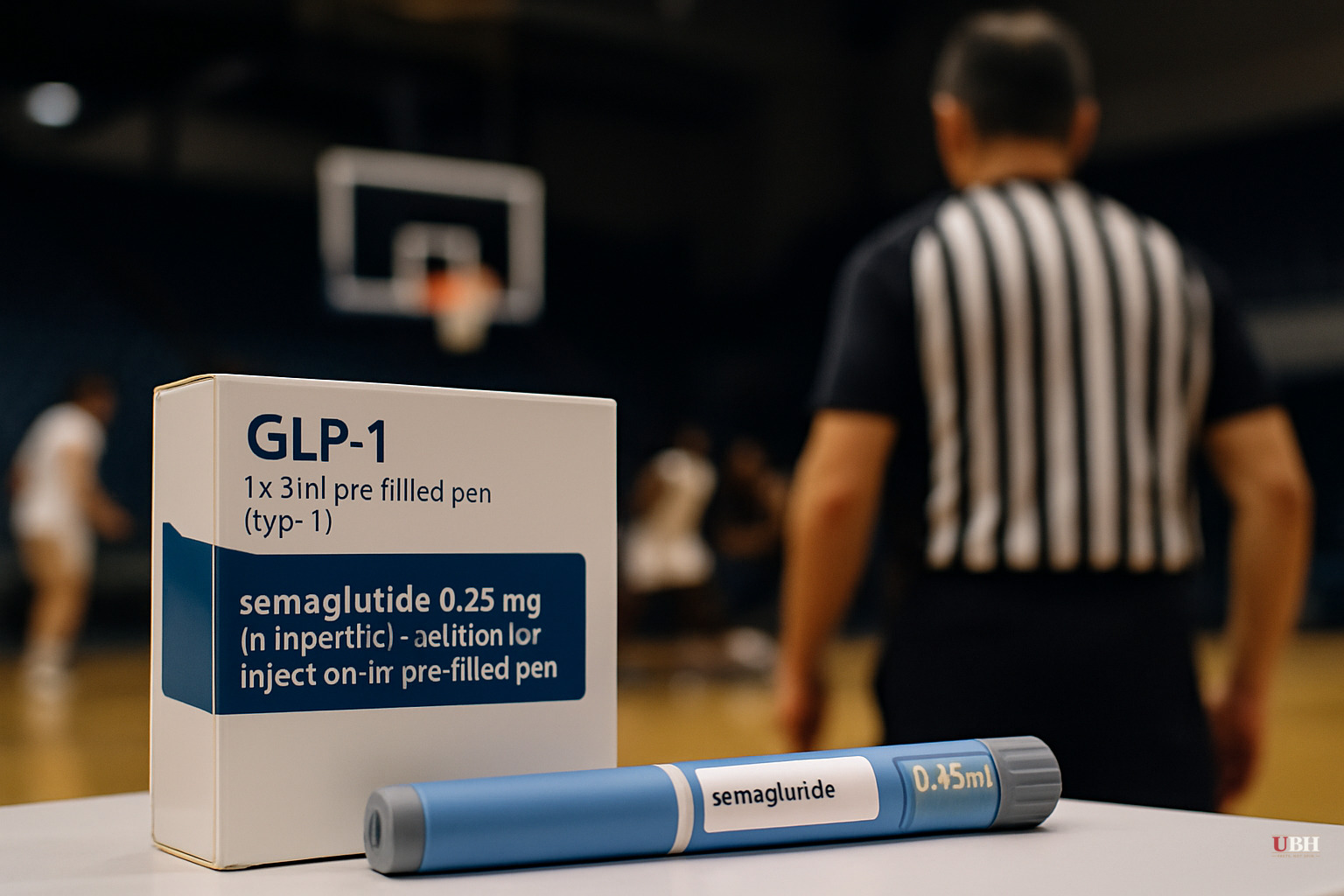
Since this week's coverage of GLP-1 effects on sperm quality, testosterone, and cosmetic side effects, research on these drugs has expanded into two areas: bone health and athletic performance.
The Bone Fracture Finding
A research team led by Dr. Jairo Noreña, a former endocrinology fellow at Stanford University Medical Center, presented findings at ENDO 2026, the Endocrine Society's annual meeting in Chicago, which ran June 13–16. They reviewed medical records for more than 59,000 adults with Type 2 diabetes.
Among the 26,324 patients taking semaglutide (the active ingredient in Ozempic and Wegovy), researchers recorded 794 bone fractures. Among the 33,555 patients taking other weight-loss medications, there were 1,045 fractures. That works out to semaglutide users being 15% less likely to suffer a fracture, according to Science Daily's report on the study.
Rapid weight loss is generally associated with bone density loss, which raises fracture risk. The semaglutide group lost more weight than the comparison group and still came out ahead on fractures.
"Bone fractures are painful, expensive, and can seriously affect quality of life, especially as people get older," Noreña said. "We hope this study encourages monitoring of bone health in weight-loss programs."
The NY Post reported these findings accurately and without overstatement. The study was observational and retrospective, not a randomized controlled trial, so it establishes an association, not a proven causal mechanism. Noreña's team called it "an important early step," which is accurate framing. No regulatory agency has yet changed prescribing guidance based on this data.
The Serena Williams Question
The second development is less about a lab result and more about a competitive arena. Serena Williams, 44, recently returned to tennis at the Queen's Club tournament in London, partnering with 19-year-old Victoria Mboko in doubles. They beat the third seed in their opening match. Williams's serve in that match reached 116 miles per hour, according to The Atlantic.
Williams is a paid spokesperson for Ro, a telehealth company that markets GLP-1 prescriptions. She has publicly stated she lost 34 pounds with the help of tirzepatide and told People magazine in August that the drug "helped me enhance everything that I was already doing, eating healthy and working out, whether it was as a professional athlete at the top level of tennis or just going to the gym every day."
Her publicist declined to confirm to The Atlantic whether she is still taking the drug.
The World Anti-Doping Agency (WADA) has not banned GLP-1s. Thomas Hudzik, a pharmaceutical consultant who has served on the advisory group that recommends WADA's banned substances list, told The Atlantic: "I can't see that there would be much of an advantage at all to using these substances in an athlete." Lars Engebretsen, the head of WADA's health, medical, and research committee, disagrees. His stated concern is not performance enhancement per se. He told Norway's public broadcaster NRK that he believes the drugs should be banned primarily because they could worsen eating disorders in athletes, a population already at elevated risk.
These two positions represent a genuine disagreement worth taking seriously. Hudzik's view is that weight loss without muscle-specific training gains offers little competitive edge in most elite sports. Engebretsen's concern is more about athlete welfare than fairness. Neither side has controlled trial data on elite athletic populations to lean on. As The Atlantic notes, no such studies exist yet.
A Ro spokesperson told The Atlantic that "any patient who receives a GLP-1 prescription through Ro has been determined to be clinically eligible for that treatment by a licensed medical provider," which is the company's way of saying Williams's use was medically supervised, not performance-driven.
The Reasonable Concern
Some sports-integrity advocates will argue that the absence of a ban is itself a problem. If GLP-1s help athletes train harder by reducing inflammation, improving metabolic efficiency, or simply allowing faster recovery from body-composition work, the benefit could accrue unevenly. This could favor athletes wealthy enough to access these expensive drugs and those whose sports reward a lower weight class.
No verified evidence in these sources establishes that GLP-1s provide a performance benefit in elite athletes. The drugs are legal, available by prescription, and WADA has not found sufficient grounds to restrict them. Williams's use was disclosed publicly, not concealed.
What Comes Next
Williams is scheduled to compete in doubles alongside her sister Venus at Wimbledon, which will extend the public window for observing an elite GLP-1 user in competitive action. WADA has said it is "keeping a close eye" on the issue but has set no timeline for a formal review. On the medical side, Noreña's team acknowledged their fracture study needs prospective, randomized follow-up before bone-protection claims can be considered established science. The Endocrine Society has not issued updated clinical guidance on bone monitoring for semaglutide patients as of June 20, 2026.
Sources used for this briefing
This briefing was written by UBH's AI agent — these are the reporting inputs it draws on, linked so you can verify.


