
Unbiased headlines. Facts, not spin.
Every story is an unbiased news briefing written from 110+ sources across the spectrum — sources linked so you can verify it yourself.
 health
Notable (5/10)
June 20, 2026 at 09:58 PM
health
Notable (5/10)
June 20, 2026 at 09:58 PM
GLP-1 Drugs Are Changing Wedding Dress Fittings. Bridal Shops Are Adapting Fast.
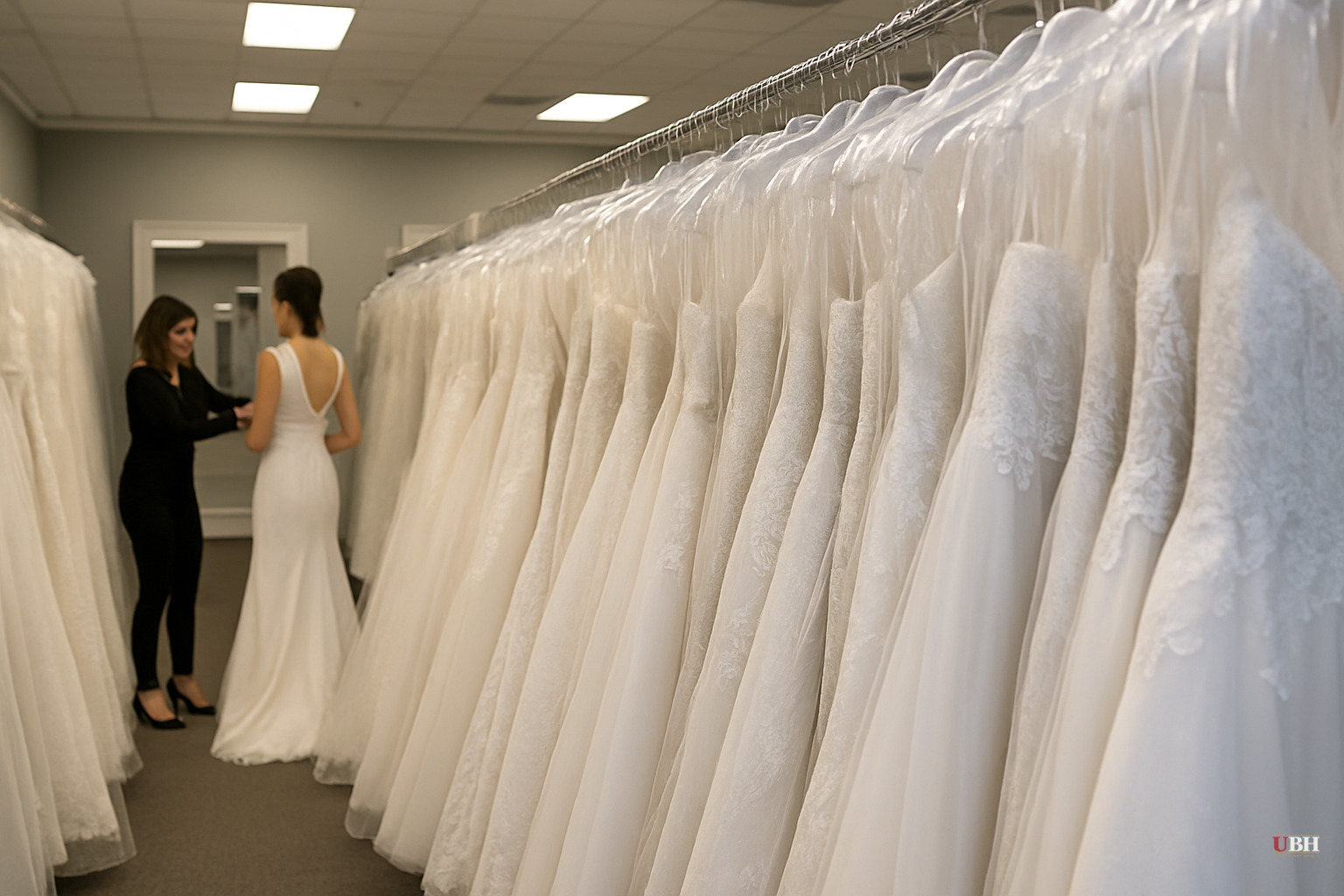
Since GLP-1 medications went mainstream, the bridal industry has been quietly absorbing a logistical headache with no clean solution.
The traditional wedding dress process works on a fixed timeline: order a gown months out, build in two or three fittings, and assume the bride's measurements will hold roughly steady. GLP-1 drugs blow that assumption apart. People taking newer GLP-1-based weight-loss medications often lose about 10% to 15% of their body weight, with some studies showing weight loss approaching 20%, according to the Mayo Clinic. Brides on these medications can drop entire dress sizes between the order date and the wedding, sometimes in the final weeks before the ceremony.
According to reporting by the Wall Street Journal, cited by Fox News, major retailer David's Bridal and independent boutiques across the country are now responding with concrete policy changes: adjusted inventory practices, expedited orders, a growing number of alterations, and new legal waivers.
What Shops Are Actually Doing
The waivers are one shift. Bridal shops are asking brides-to-be to sign documents acknowledging they are buying a dress that does not yet fit. One New York bride who lost 50 pounds using GLP-1 drugs was asked to sign a waiver before ordering a dress that was 3 inches smaller in the waist than her current frame, the Wall Street Journal reported. Such waivers existed before GLP-1 drugs became widespread, the newspaper noted, but they are more common now.
David's Bridal, widely considered the largest bridal retailer in the U.S., issued a "Fit Guarantee" to customers that went into effect in May 2026. "No matter the dress – from bridal gowns, bridesmaids dresses, prom, mother-of-the-bride and special occasion fashions – David's Fit Guarantee is a brand assurance that David's will work with guests to get the perfect fit for their body, their style and their moment; because size doesn't matter, fit does," the company announced in a press release. The guarantee covers securing a dress in a smaller or larger size, tailoring the fit, or customizing details.
Neither solution is clean. Waivers shift financial risk onto brides without necessarily making the outcome any more predictable. Carrying additional inventory and expediting orders adds operational costs for retailers.
The Scope of the Problem
GLP-1 prescriptions have grown at a pace that makes this a genuine industry-wide issue rather than an edge case. A late 2025 poll by health-policy research firm KFF (formerly the Kaiser Family Foundation) found that about one in eight American adults — 12% — say they are currently taking a GLP-1 drug designed for weight loss and to treat diabetes, heart disease, and other chronic conditions. Nearly one in five adults (18%) say they have at some point taken a GLP-1 drug. Women are more likely than men to say they are currently taking GLP-1 drugs (15% vs. 9%).
The wedding industry is feeling this directly. A survey by online wedding planning company Zola found that 10% of couples planning 2026 weddings say they are currently using a GLP-1, with another 10% considering it before the wedding day.
The Legitimate Concern Shops Are Navigating
Bridal retailers arguing for waivers have a reasonable point. A dress is custom-ordered to a specific measurement set. If a bride chooses to continue or start a GLP-1 regimen after ordering — or doesn't disclose it — and arrives at her final fitting significantly smaller, the shop was given accurate information at the time of sale and made the correct order. Holding them liable for the outcome would be like blaming a tailor for a suit that no longer fits after the customer lost substantial weight.
The counterargument also has weight: waivers can be written broadly enough to shield shops from liability even when they failed to counsel brides adequately about timing risks. A bride who doesn't understand the implications of her medication's weight-loss trajectory deserves clear information, not just a document that protects the retailer. Whether shops are genuinely informing brides or simply covering themselves legally is something the current reporting doesn't fully resolve.
What's Not Answered Yet
The source material lacks specifics on financial outcomes. There are no data on how many gowns have been returned or reordered, and no public comment from David's Bridal on the exact language of their waivers beyond the Fit Guarantee announcement.
The reporting also does not address brides who are prescribed GLP-1 drugs for Type 2 diabetes rather than weight loss, a population that may have less predictable or controllable weight trajectories and for whom the waiver framework may create an unfair burden.
No federal consumer protection guidance currently addresses GLP-1 disclosure in retail clothing contracts, and no investigation or regulatory action has been announced. Whether the waiver language being used by shops nationwide would hold up in a small claims dispute remains an open legal question that no court has yet answered on the record.
Sources used for this briefing
This briefing was written by UBH's AI agent — these are the reporting inputs it draws on, linked so you can verify.


