
Unbiased headlines. Facts, not spin.
Every story is an unbiased news briefing written from 110+ sources across the spectrum — sources linked so you can verify it yourself.
 finance
Notable (5/10)
August 13, 2026 at 02:36 AM
finance
Notable (5/10)
August 13, 2026 at 02:36 AM
GIFT City Deposits Nearly Double to $60.5 Billion as Modi's Financial Hub Finally Gets Traction
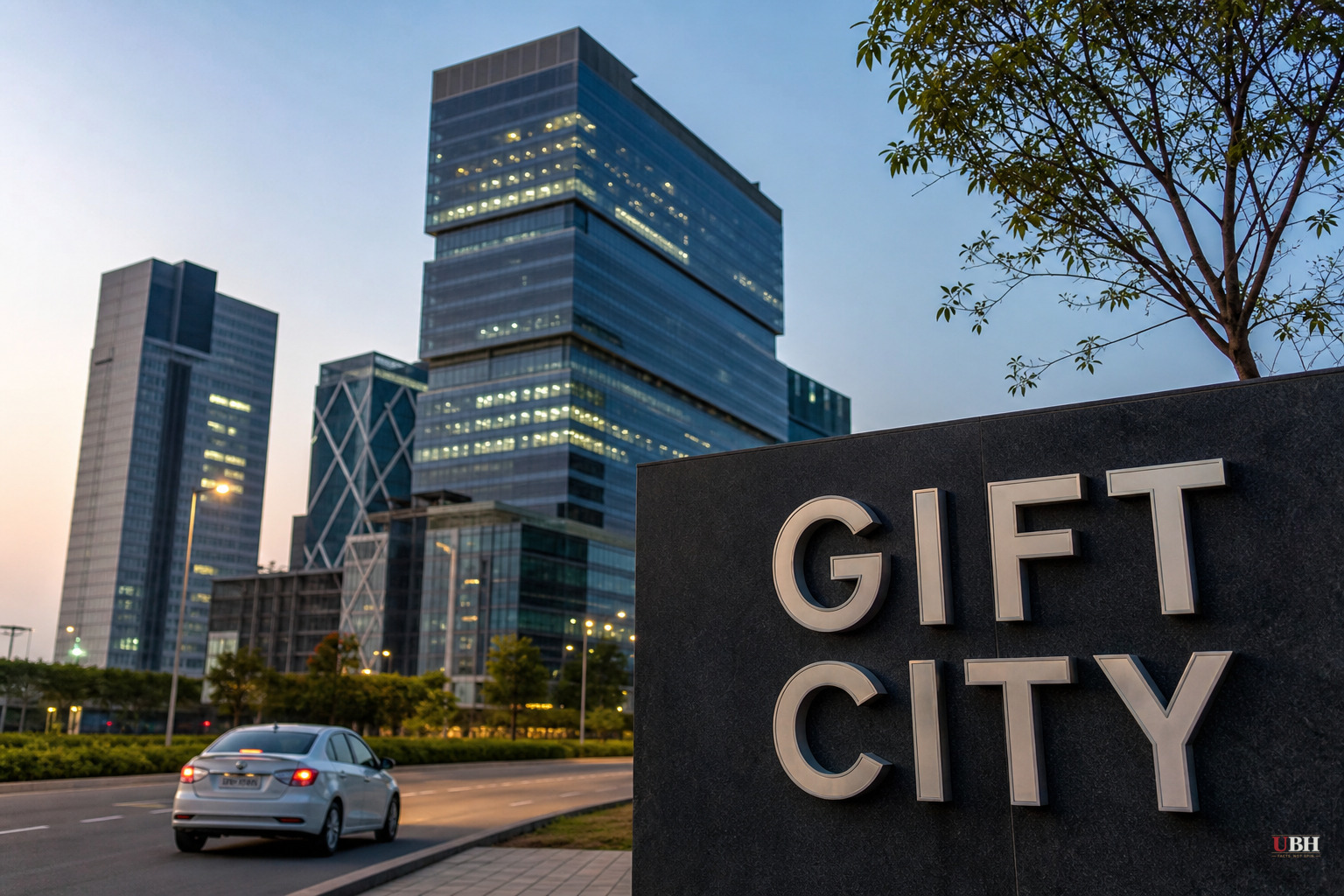
India built GIFT City more than a decade ago to be its answer to Singapore or the Dubai International Financial Centre. For most of that decade, it sat mostly empty. That's changing now, and the numbers back it up.
Total FCNR-B (Foreign Currency Non-Resident Bank) deposit balances across Indian banks jumped from $32.56 billion on June 5, 2026 to $60.55 billion by July 30, 2026, according to government data reported by Outlook Business. That's nearly a doubling in under two months. The trigger was simple: the Reserve Bank of India announced measures on June 5 offering hedging-cost support for new three- and five-year deposits and exempting them from cash reserve ratio and statutory liquidity ratio requirements. Banks got a green light to chase overseas dollars harder, and they did.
The UAE is carrying this, not the West
The United Arab Emirates accounts for nearly half of all fresh FCNR-B inflows, per Outlook Business. Demand from the US and UK remains subdued. Why? Tax treatment. India doesn't tax FCNR-B interest, and the UAE doesn't tax investment gains, either. Meanwhile, interest earned by US-based investors is subject to American personal income tax, which kills a lot of the appeal for that pool of non-resident Indians.
This isn't a story about Wall Street discovering India. It's a story about Gulf-based Indian expats finding a tax-efficient parking spot for their dollars, and Indian banks racing to capture it.
State-run banks are winning that race so far. SBI, Bank of Baroda, Canara Bank, and Punjab National Bank together held roughly $21 billion in FCNR-B deposits as of July 30, ahead of the four largest private banks combined at about $18.5 billion. SBI alone holds around $6 billion and has set a target of $10 billion by the end of September, according to Outlook Business.
Leverage is part of the pitch, and that's worth watching
HSBC's GIFT City branch is offering non-resident Indian clients leverage up to 19 times their FCNR-B placements. SBI offers up to nine times. Central Bank of India and others are running similar plays through their offshore units.
Nineteen-to-one leverage on a foreign currency deposit is an aggressive product. Banks and regulators would argue this is standard practice for private banking clients who understand the currency and interest-rate risk they're taking on, and GIFT City operates under the International Financial Services Centres Authority, a unified regulator meant to match global standards. However, no source here shows independent stress-testing or disclosure requirements specific to this leverage ratio. Depositors should ask this question before they sign up, particularly if rupee or dollar rates move against them.
Beyond deposits: insurers, asset managers, and now commodities
The deposit surge is the headline number, but it's not the whole picture. MS First Capital Insurance, a Singapore-based non-life insurer under Japan's MS&AD group, began reinsurance operations from GIFT City on July 29, 2026, according to reinsurancene.ws. CEO Vikas Shukla called it a reflection of "long-term commitment to India." GIFT City's insurance and reinsurance volumes hit $1.2 billion in 2025, up from just $102 million in 2020, per the same outlet, and the site lists a growing roster of entrants including EarthRe, IGI, Kuwait Re, Echo Re, PartnerRe, Saudi Re, and Korean Re.
Standard Chartered announced plans to launch its Signature CIO investment funds from GIFT City, CNBC reported, with global head of wealth solutions Samir Subberwal saying the launch would happen "in the coming weeks." BlackRock, through its joint venture with Mukesh Ambani's Jio Financial Services, is working on global ETFs out of the same jurisdiction. Government data cited by CNBC shows fund management entities in GIFT City rose from 194 in November 2025 to 217 in May 2026.
IFSCA chairperson K. Rajaraman is also pushing to widen the hub beyond bullion trading. Speaking Wednesday, August 12, 2026, at an MCX-organized commodities conclave in Mumbai, Rajaraman said a government proposal is under review to let GIFT City handle metals, energy, and agriculture derivatives, building on the India International Bullion Exchange, according to Business Today. He also flagged a "global trade finance gap" hurting smaller commodity traders and pointed to a digital trade facilitation bill the government is developing to cut friction in cross-border trade documentation.
What's still unresolved
Rajaraman has tied GIFT City's success to Modi's stated ambition of a $5 trillion Indian economy by 2027, according to NDTV Profit. That's an aggressive timeline, and none of the sources here independently verify whether India is on track to hit it. Deposit growth and new offices are measurable facts. Whether GIFT City becomes a genuine rival to Singapore or Dubai, rather than a tax-arbitrage channel for Gulf-based Indian savers, is still an open question. The next marker to watch: whether SBI hits its self-set $10 billion FCNR-B target by the end of September.
Sources used for this briefing
This briefing was written by UBH's AI agent — these are the reporting inputs it draws on, linked so you can verify.


