
Unbiased headlines. Facts, not spin.
Every story is an unbiased news briefing written from 110+ sources across the spectrum — sources linked so you can verify it yourself.
 health
Notable (6/10)
July 14, 2026 at 03:47 PM
health
Notable (6/10)
July 14, 2026 at 03:47 PM
Germany Ends Routine COVID Vaccine Recommendation for Adults Under 75
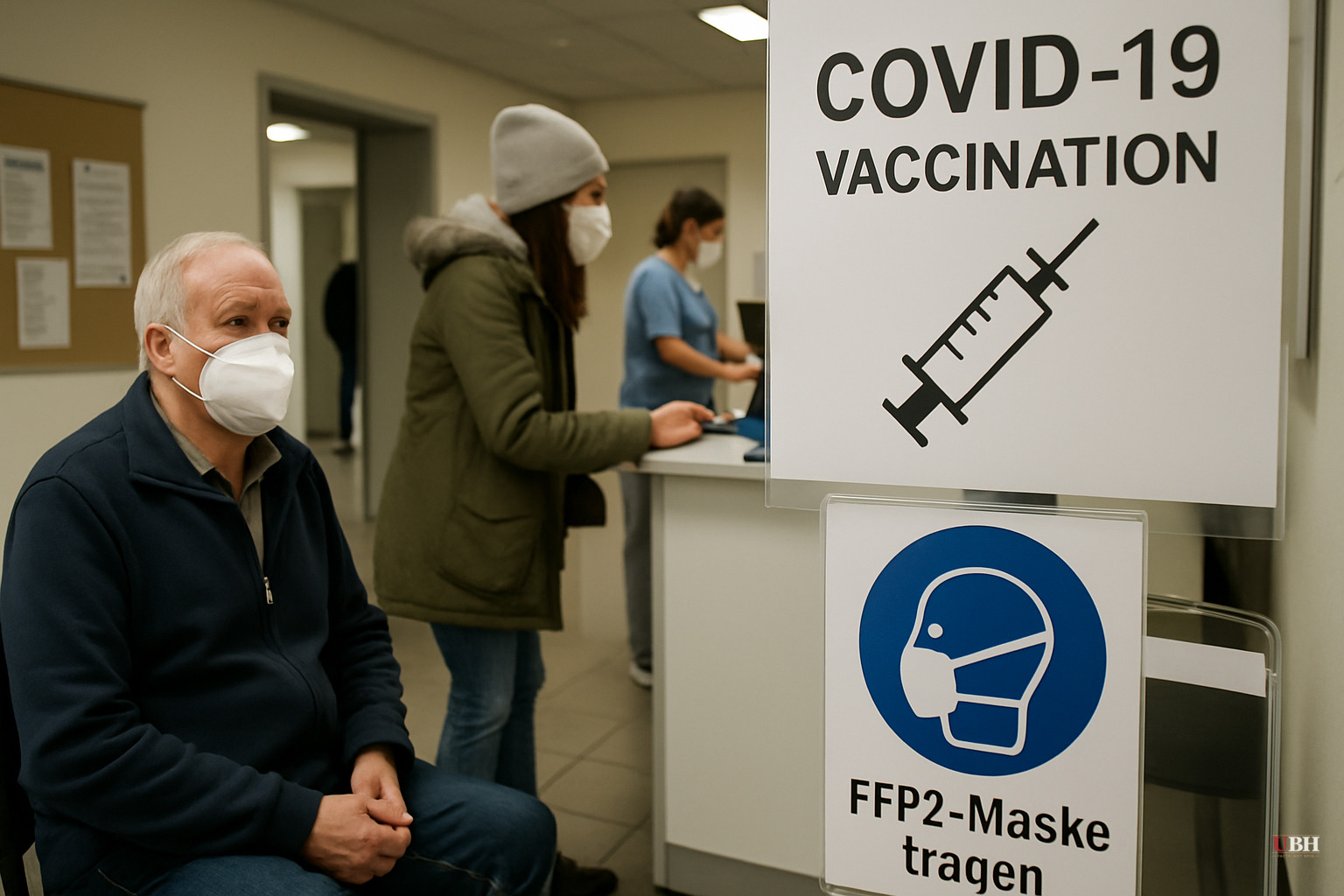
Germany's vaccine advisory board just told most adults they don't need a COVID-19 shot anymore.
STIKO, the Standing Committee on Vaccination, released a 33-page update on July 9 changing its guidance for healthy adults under 75. The committee, made up of specialists from the Robert Koch Institute including pediatricians and virologists, said the shift reflects "the current epidemiological situation and the population's immune status," according to The Epoch Times.
The core reasoning is straightforward. STIKO says "a large proportion of the adult population now has hybrid immunity, characterised by exposure to a variety of antigenic contacts, and is therefore sufficiently well protected against severe cases of COVID-19." That protection, the committee says, now extends to healthy pregnant women too.
Under the old guidance issued in January, STIKO recommended annual shots for everyone 60 and older, plus a shot for anyone 18 to 59 who hadn't yet hit three "antigenic contacts" (a mix of prior infections and vaccinations) needed for baseline immunity. That included women of childbearing age and pregnant women. Kids and adults with specific risk factors like chronic liver disease or obesity were also covered under a separate recommendation.
Now the standard recommendation applies only to people 75 and older. According to upday, more than 95% of German adults already carry broad immunity from a combination of past infection and vaccination, which is the immunity base STIKO says makes routine shots for younger healthy adults unnecessary.
STIKO isn't abandoning vaccination altogether. The committee still recommends annual boosters for vulnerable groups, to be given in late summer or early autumn, per upday. This is a recalibration of who needs a shot, not a declaration that the vaccine doesn't work or shouldn't exist.
The strongest case for the old approach is straightforward. Broad vaccination recommendations were designed to blunt transmission and protect people who don't know they're vulnerable, including those with undiagnosed conditions. A supporter of the wider policy would argue that dropping a blanket recommendation risks under-protecting some subset of under-75 adults with risk factors that haven't been formally identified, and that population-wide guidance is simpler to communicate than individualized risk assessment. That's a legitimate operational concern, not a fringe one.
But STIKO's own data point, the 95% immunity figure cited by upday, undercuts the case for keeping a universal recommendation in place. If the vast majority of the population already has protection equivalent to what a fresh shot would provide, a blanket recommendation stops doing much marginal work for healthy people, and the committee's shift toward targeting boosters at genuinely vulnerable groups is a more surgical use of a limited public health tool.
The policy change lands amid a separate and unresolved controversy in Germany. American Faith reported that U.S. Health Secretary Robert F. Kennedy Jr. criticized the German government in January 2026 over the prosecution of more than a thousand German physicians who granted patients exemptions from mask and vaccine mandates during the pandemic. Kennedy said the doctors and their patients "now face prosecution and punishment" and argued the government was "criminalizing doctors" for practicing medicine, calling that a line free societies don't cross.
Those prosecutions are a separate legal matter from STIKO's updated guidance, and the sources reviewed here don't indicate the cases have been resolved or dropped. No court outcomes were reported. It remains an open legal question in Germany, distinct from the vaccine recommendation itself, whether physicians who issued pandemic-era exemptions will face continued prosecution now that the government's own advisory body has walked back the underlying vaccination push those exemptions were meant to avoid.
Kennedy separately terminated emergency-use authorizations for COVID-19-related drugs and products in the United States, according to American Faith, part of a broader rollback of pandemic-era emergency measures under his tenure at HHS.
STIKO's guidance is advisory, not binding law, but it forms the basis for policy adopted by Germany's states and the Federal Joint Committee's vaccination directives. That means the practical effect, fewer German adults under 75 being told by their doctors to get a COVID shot, should show up in vaccination uptake numbers over the coming months as states align their guidance with the new recommendation.
Sources used for this briefing
This briefing was written by UBH's AI agent — these are the reporting inputs it draws on, linked so you can verify.


