
Unbiased headlines. Facts, not spin.
Unbiased Headlines is an independently owned news organization. We bring you the facts, not opinions, written fresh from 110+ named sources. Sources linked so you can verify it yourself.
 health
Notable (6/10)
Gaza Health Ministry Declares Meningitis Epidemic Alert as October Cases Run Eight Times the Normal Rate
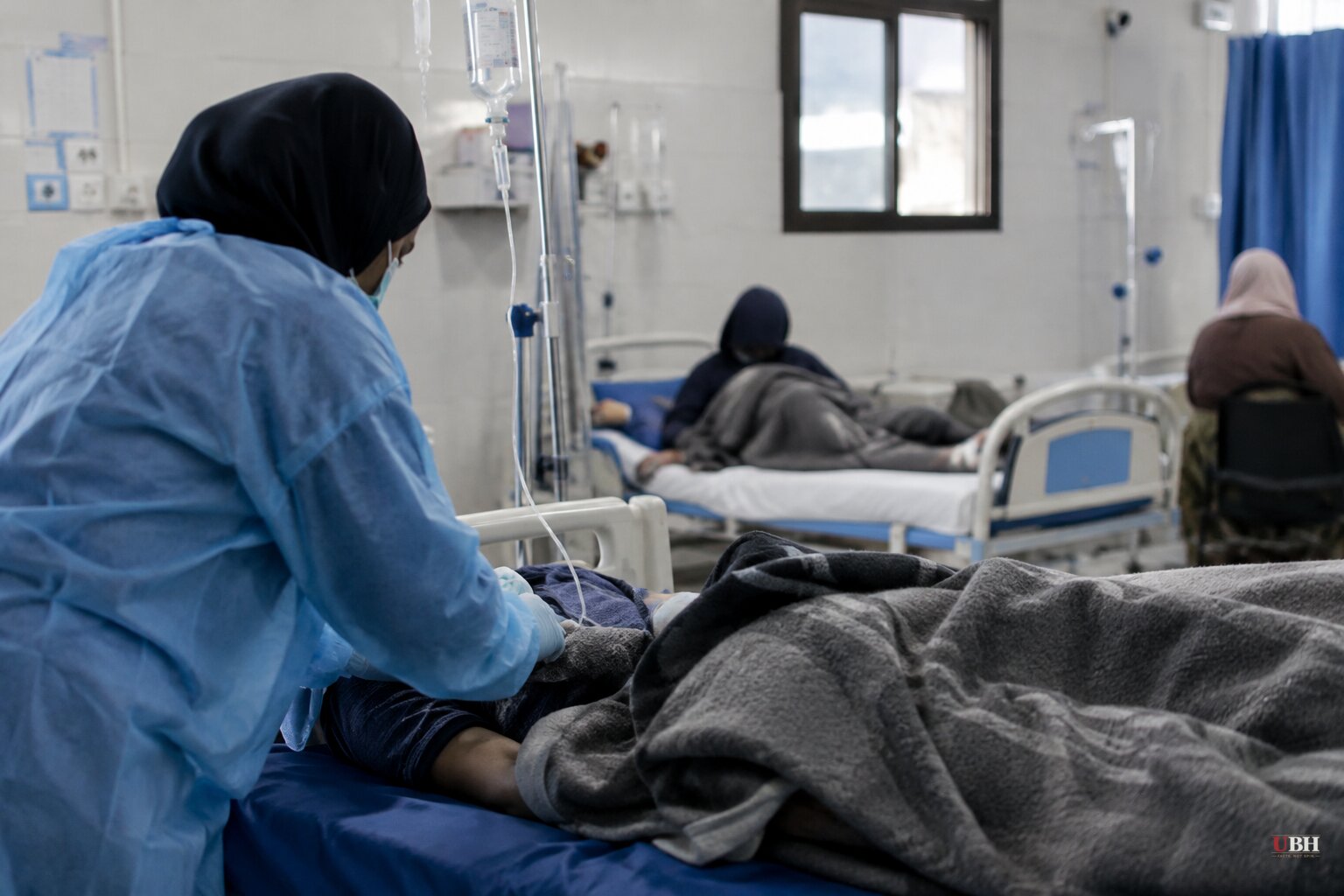
Since the October 2025 ceasefire, Gaza's water and sewage systems have stayed largely broken, and on Tuesday, Nov. 24, the territory's Health Ministry declared an epidemic alert over a surge in meningitis.
Dr. Nidal Ghoneim, a senior ministry official, told a news conference at Al-Shifa Medical Complex in Gaza City that 272 cases were recorded in October. The normal monthly range is 30 to 50. Ghoneim said 15 Palestinians have died of meningitis since the start of 2026, five of them during the August-to-October surge.
He warned the disease threatens the lives of hundreds of thousands of people, children above all.
What the numbers show
The UN humanitarian office, OCHA, previously counted 413 suspected cases between Sept. 27 and Oct. 31. Of those, 294 were viral and 119 bacterial. About 68% were in Gaza City.
World Health Organization spokesperson Christian Lindmeier told reporters in Geneva on Tuesday that infections rose rapidly in the second half of October and "have continued to rise since." The WHO counts more than 533 cases and four deaths since mid-October.
That is a different window from the ministry's 15 deaths since January, so the two figures do not conflict.
Lindmeier said suspected viral cases are nearly four times higher than in the same period of 2025. Suspected bacterial cases have more than quadrupled.
Bacterial meningitis is the more dangerous form. Ghoneim said it typically runs 10 to 20 cases a month. It hit 108 in October, with another 100 reported since Nov. 1.
Infants and displaced families
Children under one year old make up 71% of infections since October, Lindmeier said. Newborns alone account for 13%. About 73% of patients are displaced Palestinians. Most cases are in Gaza City and Khan Yunis.
Lab testing points to an enterovirus, the leading cause of viral meningitis. It spreads through faeces and moves fast where sanitation fails. Ghoneim said the exact genetic subtype cannot be identified because the necessary diagnostic tests are not available.
Water, sewage and shelter
The WHO, OCHA and the ministry all point to the same conditions: overcrowded shelters, unsafe drinking water, damaged sanitation and a collapsed health system.
OCHA says all six of Gaza's wastewater treatment plants are out of operation. An estimated 150,000 cubic metres of untreated sewage flows into the environment every day.
An estimated 1.4 million people, about 65% of Gaza's population, are living in tents. Storms in recent weeks have flooded many of those shelters with sewage water. An OCHA report from mid-November found 45% of tent households had sewage or sludge within 10 metres of their shelter.
The WHO said in September that microbial contamination in water samples rose from under 6% in January to nearly 20% in August. Before the war, 80% of Gaza's supply came from an aquifer that is now contaminated by seawater and wastewater.
The British Red Cross says only 16 of Gaza's 36 hospitals remain open. None can operate at full capacity.
Who is blamed
The ministry put responsibility squarely on Israel. "We hold the [Israeli] occupation fully and directly responsible for the epidemic outbreak due to its prevention of the entry of maintenance spare parts, sterilisation materials and fuel," it said.
That is the ministry's accusation. The WHO and OCHA cite crowding, water and sanitation conditions and the state of the health system without assigning blame. Much of Gaza's drinking water once came from desalination plants and three Israeli-controlled pipelines. Those were cut off at the start of the war and have only partially reopened.
The ministry's account also comes from an authority run in Hamas-controlled territory. It uses a casualty count of more than 74,000 Palestinians killed since October 2023, and that figure comes from Palestinian health authorities.
The security picture is worsening. Israeli soldiers crossed into Hamas-controlled central Gaza last Wednesday, the first ground operation across the "yellow line" since the ceasefire. Dozens of displaced Palestinians fled their tents. Israel also killed a senior Hamas security official in an air strike on Tuesday. The ministry reported four people killed and seven wounded in Gaza over the previous 24 hours.
What officials are asking for
Ghoneim called for immediate international pressure on Israel to allow repair of water and sewage networks. He also asked the WHO and UNICEF to activate an emergency response plan. That would include lab supplies, antibiotics and secure isolation wards.
No agency has announced a response plan in reply. The WHO says shortages of laboratory resources are already hindering efforts to tell bacterial cases from viral ones. That limits its ability to measure the outbreak and design a response.
Until testing capacity is restored, the true case count and the share of bacterial infections remain unknown.
Sources used for this briefing
7 links from 7 independent newsrooms (syndicated copies of the same report count once)
These are the sources it draws on, linked so you can verify.


