
Unbiased headlines. Facts, not spin.
Unbiased Headlines is an independently owned news organization. We bring you the facts, not opinions, written fresh from 110+ named sources. Sources linked so you can verify it yourself.
 health
Notable (6/10)
Event date: November 20, 2026 ·
An Estimated 1,000 Legal Immigrants in Nebraska Lost Medicaid on Oct. 1 Under the One Big Beautiful Bill Act
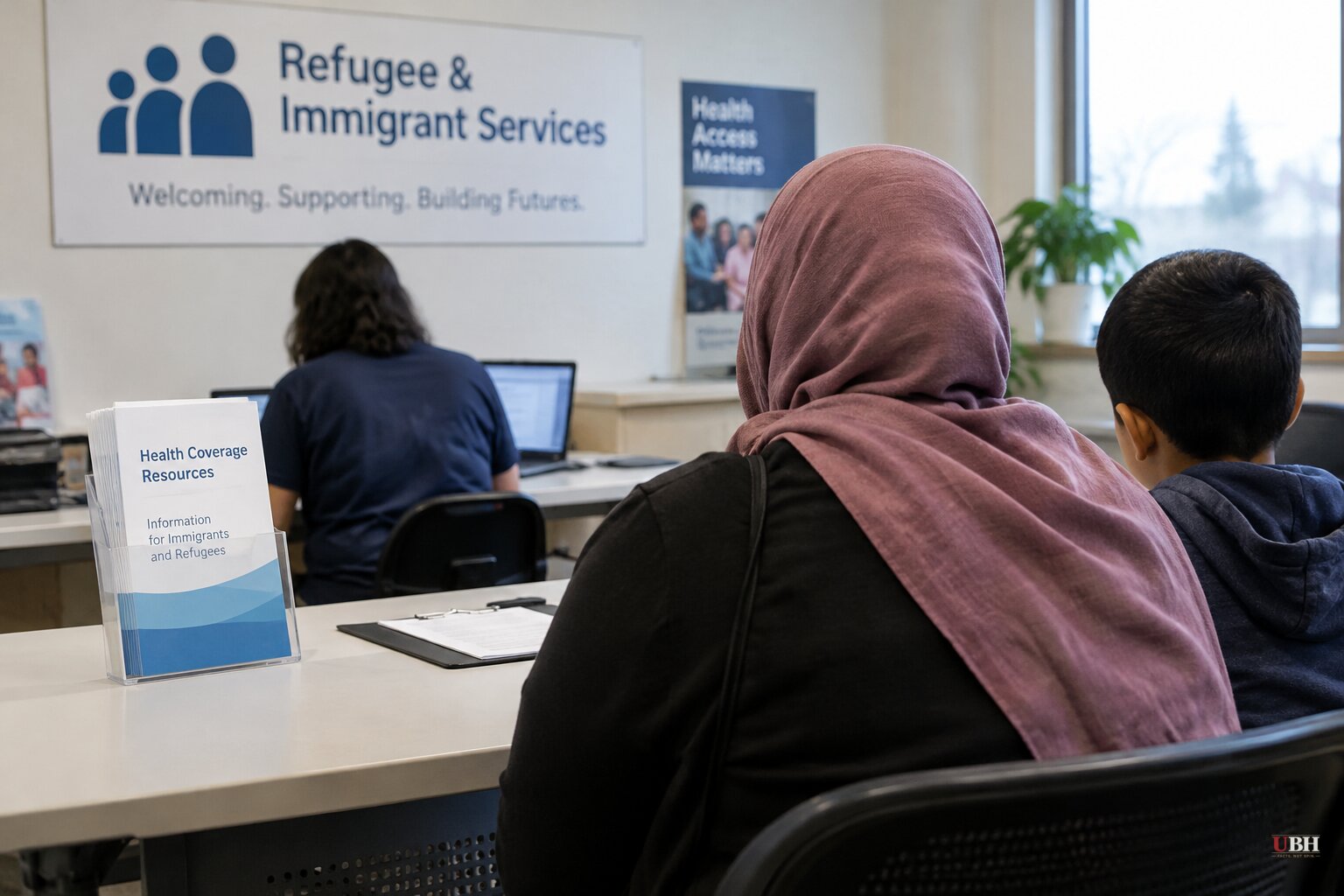
The federal law known as the One Big Beautiful Bill Act changed who can get Medicaid. Since Oct. 1, refugees, asylees and other previously eligible immigrants are barred from the program unless they have acquired a green card.
In Nebraska, an estimated 1,000 legal immigrants lost coverage on that date, according to reporting from the Flatwater Free Press. PBS News is reporting today, Nov. 24, that thousands of immigrants with legal status have lost Medicaid coverage.
These are people the U.S. government admitted lawfully. They are not citizens, and the law now treats that distinction as decisive for Medicaid.
The policy and the rationale
The White House has stated that immigrants must be able to support themselves without taking from taxpayer-funded benefits programs.
That is a straightforward position with a long history in American immigration debates. Medicaid is paid for by federal and state taxpayers. Congress decides who qualifies. Limiting it to citizens and green card holders is a choice lawmakers are entitled to make.
The practical issue is what happens to the people who fall out of coverage, and who ends up paying for their care.
One patient in Lincoln
Tooryalai Adil, 48, came to the U.S. from Afghanistan in 2021. By January 2026 he was in enough pain that a friend drove him to the emergency room at Bryan Health in Lincoln in the early morning. He lived a 45-minute walk from the nearest ER and made that walk more than once when friends working night shifts couldn't drive him.
He lost his job on the Kawasaki assembly line because he could no longer work through the pain.
With help from Catholic Social Services, Adil applied for and received Medicaid. A biopsy in September confirmed prostate cancer. Doctors recommended minimally invasive surgery.
Then a letter arrived from the state. He was no longer eligible, and coverage would end.
Adil canceled his next appointment, fearing lifelong debt. "I don't have a job, I don't have money, I don't have Medicaid. How can I go to the doctor?" he said in Pashto through an interpreter.
Other Nebraskans affected include a woman who needs eye surgery and refugees with post-traumatic stress disorder tied to their experiences in their home countries, per the Flatwater Free Press.
Where the cost goes
Healthcare workers in Nebraska say removing eligibility adds strain to a system already stretched thin. Free and low-cost clinics are absorbing a heavier patient load without more funding. Some patients are skipping care altogether because they fear a large bill in the mail.
Federal funds cover short-term medical care for refugees for only one year after they enter the country. Many are already past that window.
Emergency rooms must treat medical emergencies regardless of ability to pay, as federal law requires. That does not stop a hospital from sending a bill later.
Jeremy Nordquist, CEO of the Nebraska Hospital Association, described the result as a messy one. "Anytime you mix healthcare with immigration policy, it gets awfully complex," he said. "It creates a patchwork, Swiss cheese approach."
Hospital and clinic leaders are making a fiscal argument of their own. Care that isn't paid for through Medicaid doesn't disappear. It shows up as uncompensated emergency treatment, or as charity care funded by clinics operating on flat budgets. Supporters of the law would answer that those who are not citizens should not be on the public tab at all.
What is still unknown
The figure of roughly 1,000 Nebraskans is an estimate, and the national count behind the PBS headline is described only as thousands. A full tally of how many people nationwide have lost coverage, and what happens to their medical debt, has not been published.
Adil's case is a concrete test. Doctors recommended surgery for a confirmed cancer diagnosis in September. As of the latest reporting, he has canceled his follow-up appointment and has no coverage to pay for it.
Sources used for this briefing
2 links from 2 independent newsrooms (syndicated copies of the same report count once)
These are the sources it draws on, linked so you can verify.


