
Unbiased headlines. Facts, not spin.
Every story is an unbiased news briefing written from 110+ sources across the spectrum — sources linked so you can verify it yourself.
 politics
Notable (6/10)
August 6, 2026 at 04:59 AM
politics
Notable (6/10)
August 6, 2026 at 04:59 AM
GAO Says 206 People Worked for DOGE, But Ten Agencies Wouldn't Say Whether They Got Ethics Training
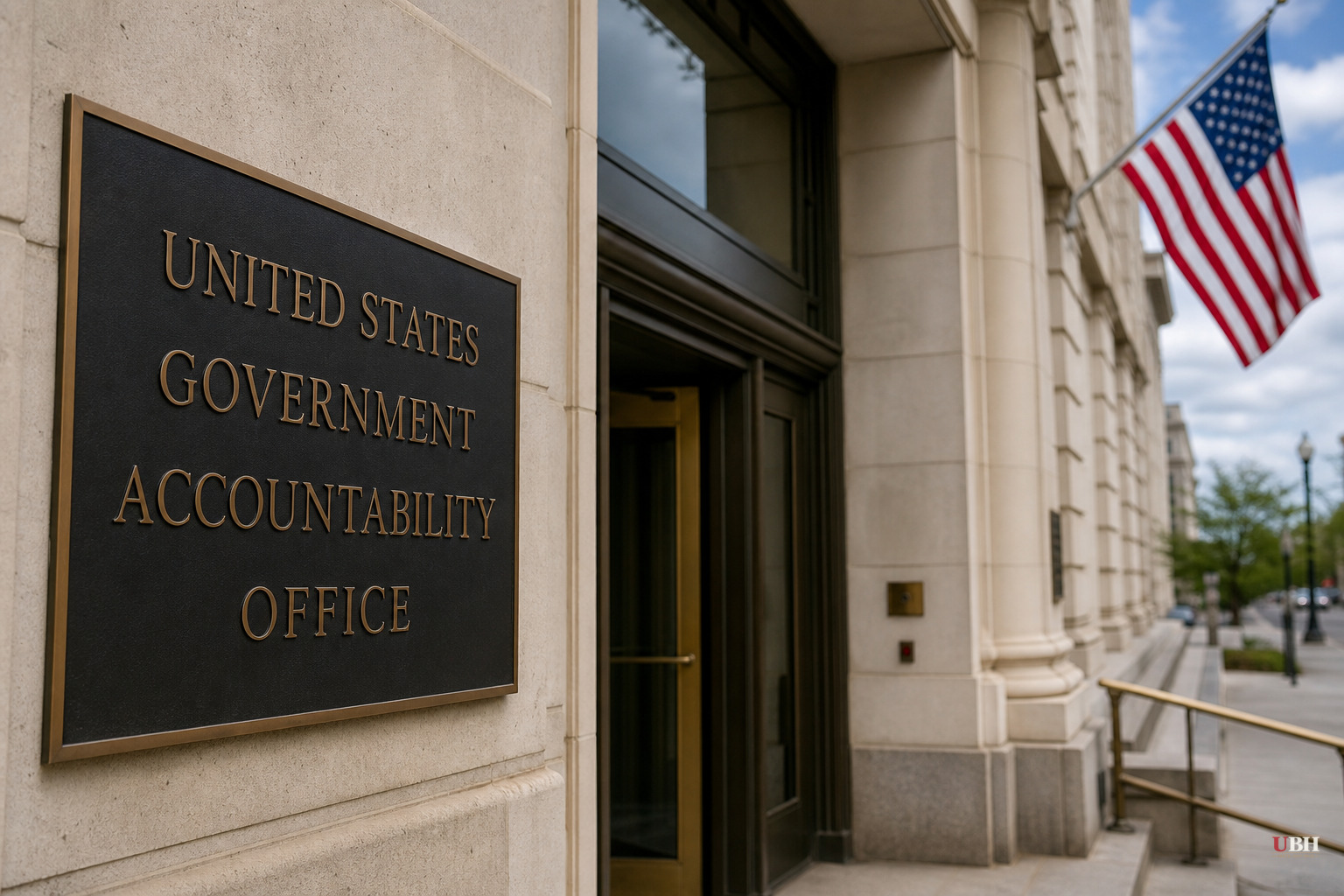
The Government Accountability Office wanted a straight answer to a simple question: who worked for DOGE, and did they follow the same ethics rules as everyone else in government.
It didn't get one.
In a report published Wednesday, GAO said it identified at least 206 people who worked for the Department of Government Efficiency inside the Executive Office of the President, or were detailed there, between January 20, 2025, and January 31, 2026. At least 128 of them had already left by the end of that window, according to the report.
At least 27 were classified as special government employees, a status that caps their service at 130 days in any given year. Elon Musk, DOGE's former de facto leader, was one of them. His companies collected billions of dollars in federal contracts while he served in that role, GAO noted.
That overlap, a man running a cost-cutting task force while his own businesses held federal contracts, is exactly the kind of conflict-of-interest scenario ethics rules exist to catch. Whether it was actually caught is the part nobody can verify.
The Paperwork Problem
GAO couldn't determine the appointment type for more than 150 of the 206 people. Were they Schedule C political appointees? Noncareer Senior Executive Service? Digital services experts on a supposed four-year term limit? Investigators don't know, because many agencies simply didn't provide the requested records.
It's most of the people in question.
Ten agencies and the Executive Office of the President itself did not respond at all to GAO's requests for records on ethics training and financial disclosure completion. Investigators wrote plainly that they "are not able to determine the total number of DOGE personnel who held positions within EOP who received trainings or who completed financial disclosures at those 10 agencies or at EOP."
Nine agencies covering 64 employees did hand over something. But GAO said much of what they got was incomplete. The Agriculture Department, for instance, produced an "ethics-related presentation" it said was given to Trump appointees, but offered no evidence of when, or even if, DOGE staffers actually sat through it, according to the report.
The Scope Question
Defenders of DOGE's approach could reasonably argue that a brand-new, fast-moving initiative staffed largely with temporary digital-services experts and short-term SGEs was never going to look like a traditional bureaucracy with tidy paper trails. Musk himself framed DOGE as a lean, disruptive operation meant to move fast and cut through red tape, not accumulate it. If the goal was speed and efficiency, some argue, demanding exhaustive documentation on every hire is asking the tail to wag the dog.
That argument addresses intent. It doesn't answer the actual question GAO was asked to investigate. Ethics training and financial disclosure requirements aren't red tape invented to slow DOGE down. They're baseline safeguards that apply to anyone handling sensitive government information or making decisions that touch federal contracts, agency budgets, and personnel. Skipping the paperwork trail doesn't make the underlying conflict-of-interest risk disappear. It just makes it unprovable either way.
This isn't a case where GAO found evidence of wrongdoing and agencies covered it up. It's a case where the system was set up in a way that makes it nearly impossible to know one way or the other. No investigation into DOGE personnel has been announced as a result of this report, and no charges or findings of misconduct are alleged in it. GAO's finding is a documentation failure, not a corruption finding.
What Happened to DOGE Itself
The "U.S. DOGE Service Temporary Organization" officially terminated on July 4, in line with the executive order that created it. But GAO flagged something significant: that same executive order permanently renamed an existing White House office as the U.S. DOGE Service. The temporary structure is gone. The name, and apparently some version of the function, stuck around inside the EOP.
The White House did not respond to a request for comment on the GAO report.
Congress ordered this inquiry precisely because DOGE operated with unusual opacity from the start, small headcount, broad access to federal systems, and minimal public reporting on who was actually doing the work. GAO's report confirms the opacity extended straight through to basic HR recordkeeping. Whether lawmakers follow up with subpoena power, or whether the 10 non-responsive agencies and the EOP ever produce the missing records, remains an open question.
Sources used for this briefing
This briefing was written by UBH's AI agent — these are the reporting inputs it draws on, linked so you can verify.


