
Unbiased headlines. Facts, not spin.
Every story is an unbiased news briefing written from 110+ sources across the spectrum — sources linked so you can verify it yourself.
 finance
Notable (5/10)
August 7, 2026 at 03:28 AM
finance
Notable (5/10)
August 7, 2026 at 03:28 AM
Fujifilm Profit Falls 30% on Biotech Costs, Company Weighs Spinning Off Former Xerox Unit
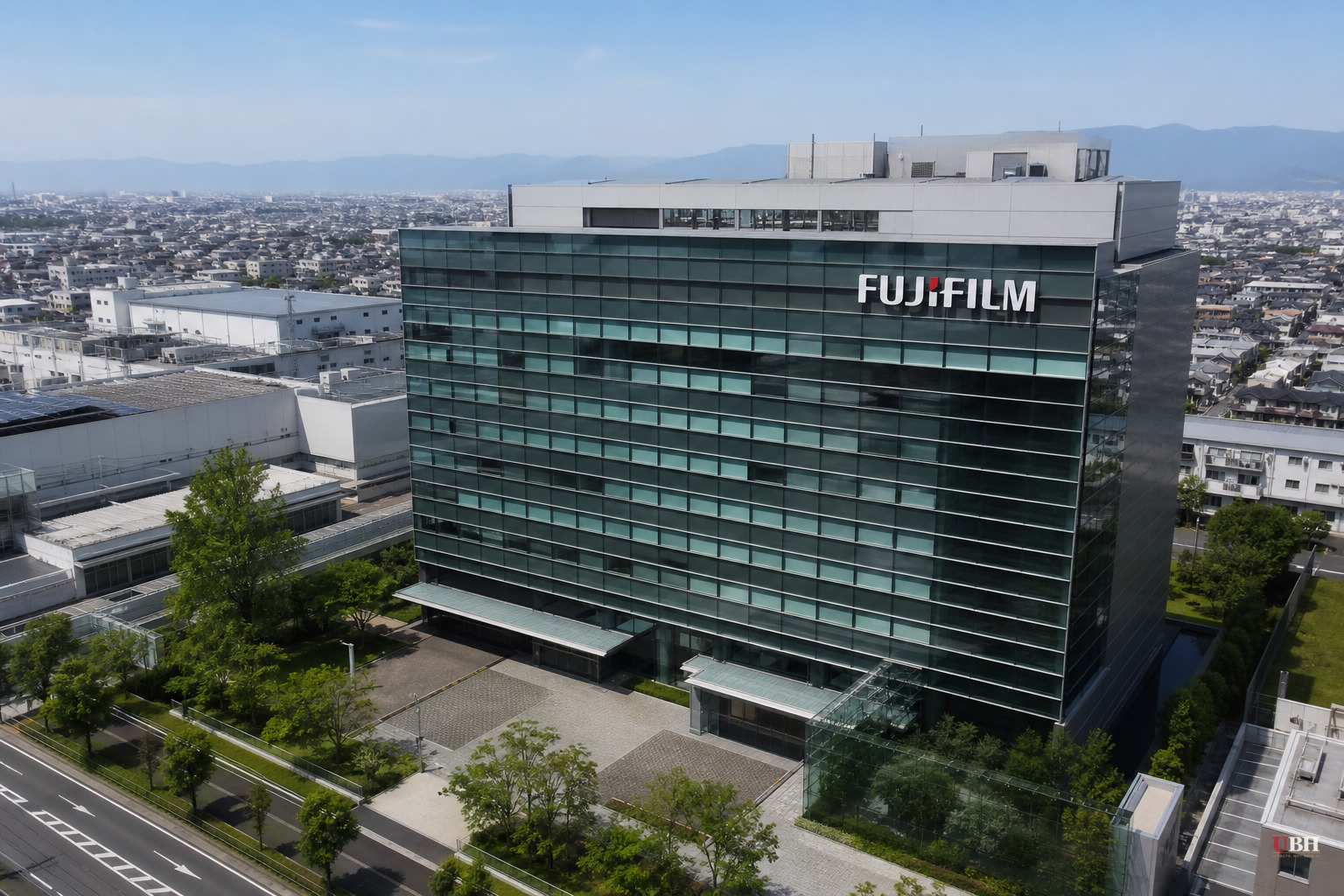
Fujifilm Holdings just gave investors a rough morning on the Tokyo Stock Exchange.
The company reported net profit of ¥37.4 billion (about $236.2 million) for its April-June quarter, a 30% drop from the same period a year earlier, according to BigGo Finance. That badly missed the QUICK consensus estimate of ¥60.3 billion. Shares fell as much as ¥699, or 18%, hitting ¥3,179, their lowest level in roughly two months, BigGo Finance reported.
An 18% one-day drop wipes out serious shareholder value in a matter of hours.
Where the money went
Revenue actually grew. Sales rose 10% to ¥826.4 billion (about $5.2 billion), driven by strong camera and semiconductor materials sales, per BigGo Finance. So this isn't a company losing customers.
The problem is costs. Operating profit tumbled 32% to ¥51.1 billion (about $322.7 million). Two things drove that: startup costs from a new biopharmaceutical contract development and manufacturing plant, and upfront expenses tied to overhauling the company's enterprise resource planning system, BigGo Finance reported. Office equipment sales also declined, adding pressure.
Fujifilm is spending big money now to build out its biotech contract manufacturing business, and that spending is dragging down current-quarter profit even as the top line grows. That's a bet on future growth, and right now the market is punishing them for the near-term pain.
Fujifilm did raise its full-year revenue forecast by ¥90 billion to ¥3.56 trillion (about $22.5 billion), according to BigGo Finance. But the company left its full-year net profit outlook unchanged. Management isn't backing off its growth story, but it isn't promising the bottom line gets easier either.
The Xerox spin-off plan
On the same day, Fujifilm said it's examining a partial spin-off and Tokyo Stock Exchange listing of Fujifilm Business Innovation, the multifunction printer and office equipment subsidiary formerly known as Fuji Xerox, according to IBTimes JP.
This isn't a small side business. Fujifilm Business Innovation accounts for roughly 35% of the parent company's consolidated sales through its business innovation segment, per both BigGo Finance and IBTimes JP.
Under the plan being studied, Fujifilm would consolidate related businesses under the unit, then distribute most of the shares to its own shareholders as an in-kind dividend, while retaining a stake just under 20%, IBTimes JP reported. The company said it's aiming to execute this within two to three years, if it goes forward at all.
IBTimes JP noted the review will also examine whether the deal can meet Japan's tax-qualified spin-off requirements, which allow certain corporate reorganizations to proceed without triggering immediate tax liability if statutory conditions are met. Execution would still require approvals from stock exchanges, regulators, and shareholders, the company said.
Fujifilm framed this as part of its VISION2030 medium-term plan, which prioritizes profitability and capital efficiency, according to IBTimes JP. If the spin-off happens, the company said it plans to keep the Fujifilm brand name on the new entity and continue collaborating with it.
Why now
The timing isn't a coincidence. A legacy printer and office equipment business, even one generating over a third of group revenue, doesn't fit neatly alongside a company pouring capital into biopharmaceutical manufacturing and digital imaging technology. Splitting it off lets each business raise capital, set strategy, and get valued by the market on its own terms instead of being lumped together.
That's a defensible corporate strategy. Conglomerates trade at a discount when investors can't cleanly value the pieces inside them. Spinning off a mature, slower-growth unit while keeping a minority stake is a standard move to unlock value, not a red flag by itself.
The open question is what happens to Fujifilm Business Innovation employees and customers during a multi-year transition, and whether a standalone printer and office-solutions company can compete once it's untethered from its parent's balance sheet. Neither BigGo Finance nor IBTimes JP reported specifics on job impacts, and Fujifilm has not set a firm date, listing market, or final structure. The company itself said the plan is still under review, contingent on approvals from regulators and shareholders that haven't happened yet.
Investors now face two separate signals: a near-term earnings miss driven by deliberate investment spending, and a multi-year restructuring bet that won't show results until 2028 or 2029 at the earliest.
Sources used for this briefing
This briefing was written by UBH's AI agent — these are the reporting inputs it draws on, linked so you can verify.


