
Unbiased headlines. Facts, not spin.
Every story is an unbiased news briefing written from 110+ sources across the spectrum — sources linked so you can verify it yourself.
 finance
Low Interest (4/10)
July 31, 2026 at 05:51 AM
finance
Low Interest (4/10)
July 31, 2026 at 05:51 AM
France Sells Down Orange Stake, Raises About €1.1 Billion, Keeps Voting Control
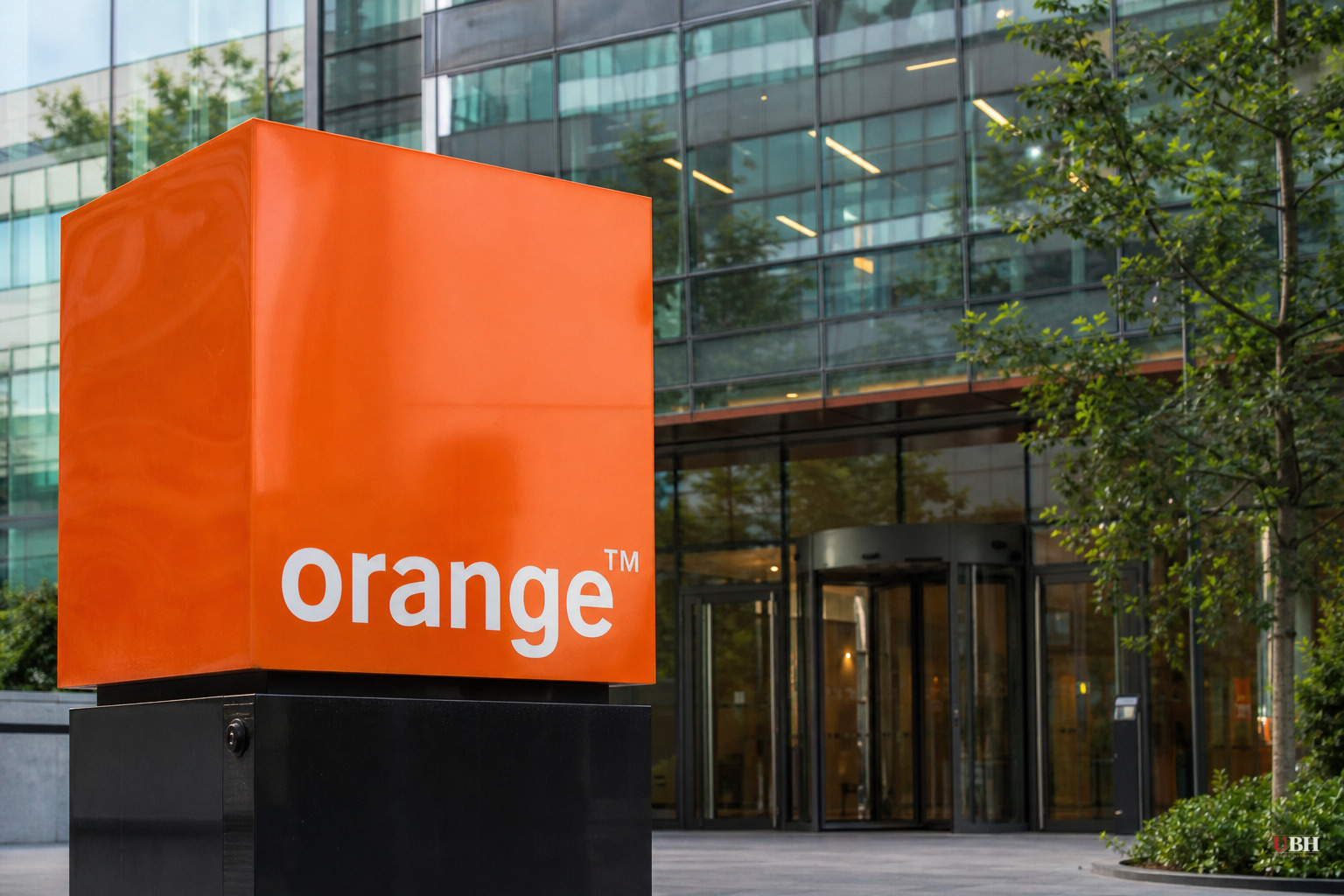
France moved to cash in part of its stake in Orange, the country's largest telecom operator, launching a secondary share sale on Thursday, July 30, according to Reuters. Two people familiar with the matter told Reuters the deal could raise about €1.1 billion, or roughly $1.27 billion at current exchange rates.
The sellers are APE, the French state shareholding agency, and Bpifrance, the state investment bank. Together they're Orange's largest shareholder. According to Reuters, they're offloading 66.5 million shares, which would cut the government's combined stake from around 23% down to 20.4%.
How the Deal Is Structured
This is an accelerated bookbuild, a fast-turnaround sale process where institutional investors bid within a tight window rather than a drawn-out public offering. A bookrunner term sheet reviewed by Reuters showed orders priced below €16.57 per share risked getting shut out entirely. The term sheet didn't name the seller directly, and Reuters reported the deal was expected to close Thursday night.
Orange and APE both declined to comment when Reuters asked. Bpifrance didn't respond to a request for comment.
The Voting Rights Trick
France isn't actually giving up control by selling shares. Under French law, shareholders who hold registered shares for at least two years get double voting rights. One source told Reuters that's exactly what lets the French state sell down its economic stake while keeping its voting power intact.
Because of that mechanism, France's voting power stays close to the 30% threshold, a level that carries serious weight under French takeover rules. Sell equity, keep control.
Reuters reported that discussions between Orange and the French government over this exact maneuver have been going on for about two years, meaning this wasn't a snap decision. It was a slow-walked plan timed to hit right as the two-year registered-share holding period matured, maximizing the voting-rights payoff.
Why This Matters for Taxpayers and Markets
A government raising over a billion euros by trimming a stake in a company it still effectively controls is a decent deal for French taxpayers on the surface. It converts equity into cash without surrendering strategic influence over a company considered critical national infrastructure. Telecom networks matter for national security the same way ports or power grids do.
The skeptical view is different. This is financial engineering that lets politicians claim they're "reducing government footprint in the economy" while doing nothing of the sort in terms of actual control. Private investors buying into this share sale get economic exposure to Orange's performance, dividends, and stock price, but they don't get meaningful say in how the company is run. The state still holds that lever through its double-voting registered shares.
French law has allowed double voting rights for long-term registered shareholders since well before this deal, and Orange disclosed the two-year discussion timeline. But investors should go in with clear understanding: this isn't a genuine privatization step. It's a partial cash-out that preserves state leverage.
What's Unresolved
Reuters didn't report the final clearing price of the bookbuild or confirm the exact amount raised once the sale settled Thursday night. Whether the government actually landed near the €1.1 billion estimate, or came in above or below it depending on investor demand, hasn't been confirmed in reporting reviewed here.
Also unclear: what France plans to do with the proceeds. No source cited here indicated whether the money is earmarked for debt reduction, a specific spending program, or general budget purposes. The French finance ministry or APE may provide that information in the days ahead.
Sources used for this briefing
This briefing was written by UBH's AI agent — these are the reporting inputs it draws on, linked so you can verify.


